Fulani Braids: Where Identity meets Artistry

Fulani Braids: Where Identity meets Artistry

Across the Sahel region of West Africa, the Fulani people are known for their rich culture and one of their most striking features is their iconic braiding style.
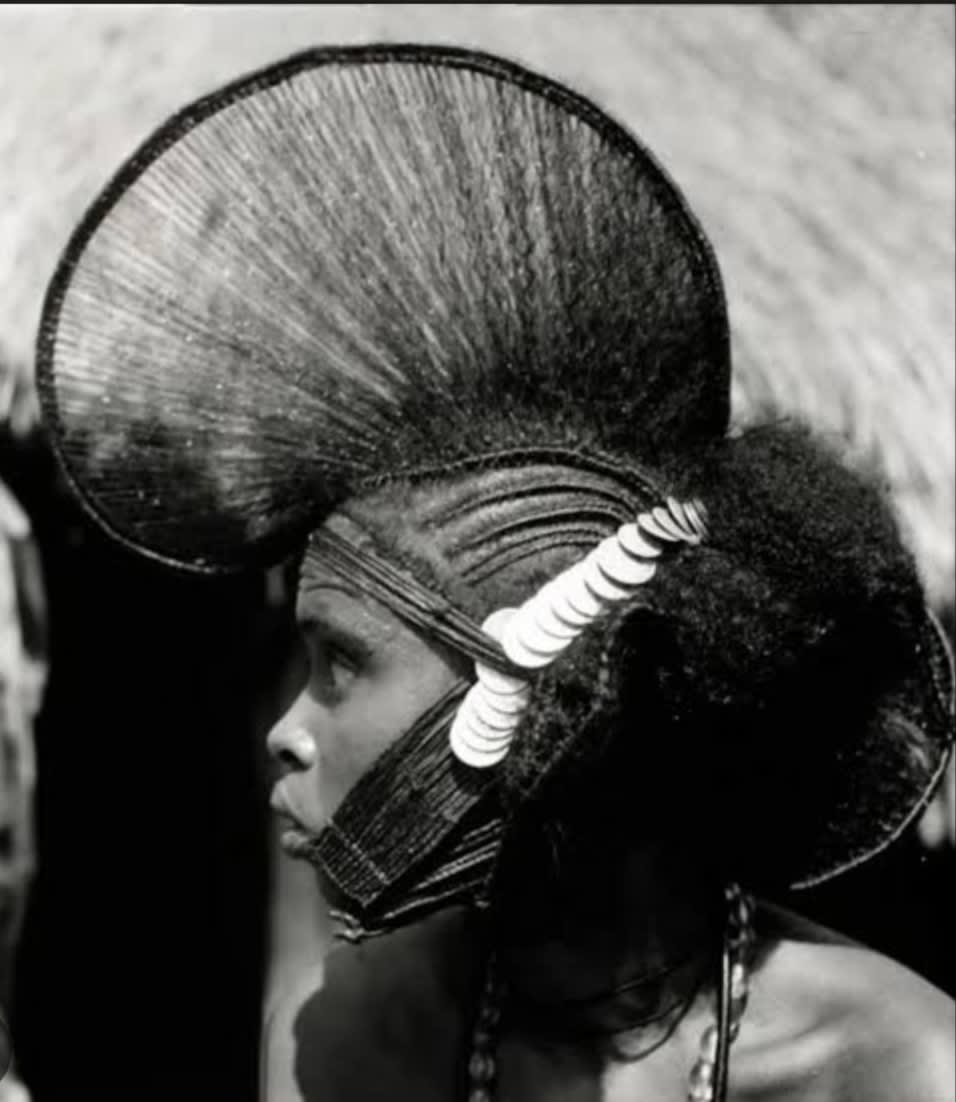
Fulani braids are easily recognized by a central braid running along the scalp, accompanied by side braids often decorated with beads, cowries, and sometimes rings. These adornments are not random; they carry meaning related to age, marital status, and wealth.

Historically, Fulani women used their hairstyles as a form of expression. The patterns, length, and decorations communicated identity within the community. Cowries, for instance, were symbols of wealth and prosperity.
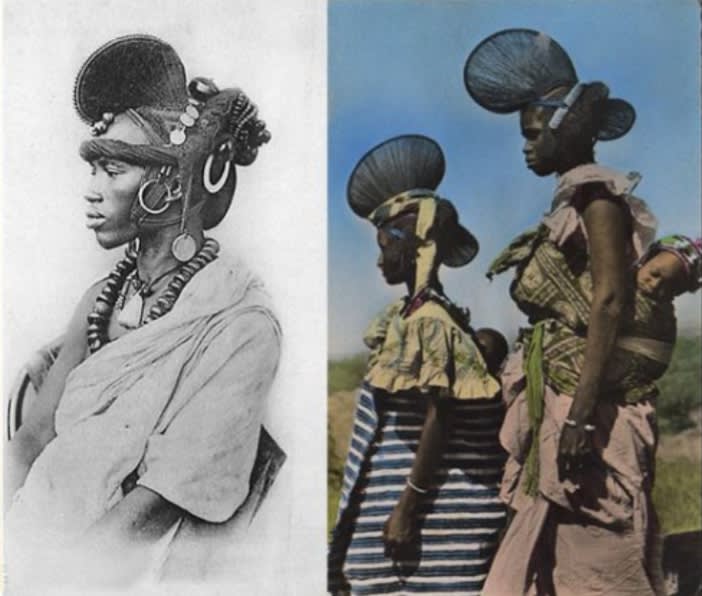
Creating Fulani braids is a detailed process that requires precision. The hair is parted into neat sections, braided close to the scalp, and then extended with beads or accessories. The final look is both elegant and deeply cultural.

In modern times, Fulani braids have gained global recognition. Celebrities and influencers have embraced the style, bringing it into mainstream fashion. However, its roots remain firmly grounded in tradition.

Fulani braids are more than a trend, they are a visual language of heritage, beauty, and identity.

© 2026 Adeola M. Kuyebi| TalkAfricang.com
Filed under: lifestyle

Share this article

Keep Reading

More stories you might find interesting

Layi Wasabi: The Law, The Laughter and The Force Within
culture

Layi Wasabi: The Law, The Laughter and The Force Within

From courtroom satire to Nollywood, Layi Wasabi has turned wit, talent and consistency into a remarkable career. A trained lawyer and award-winning content creator, he has carved a unique space in Nigerian entertainment, proving that with determination and an inner drive, young people can turn their passions into powerful platforms.

The Silver Language of Amazigh Jewelry
culture

The Silver Language of Amazigh Jewelry

Amazigh jewelry is more than adornment; it expresses identity, heritage, and craftsmanship. Traditionally crafted from silver, it symbolizes protection, prosperity, femininity, and belonging. Geometric motifs reflect local beliefs, nature, and ancestral memory. Worn during important life stages, especially marriage, jewelry reveals regional identity and status. Distinctive styles across Algeria, Morocco, and the Sahara preserve cultural stories while inspiring contemporary African fashion and pride.

Divine Chukwuemeka: The Young Voice Making Migration More Than Just “Japa”
lifestyle

Divine Chukwuemeka: The Young Voice Making Migration More Than Just “Japa”

For many young Nigerians, the word “japa” has become a familiar part of everyday conversation. It represents the desire to leave the country in search of better opportunities, education, careers and experiences. But while social media often presents migration as the perfect escape, Divine Chukwuemeka is interested in helping people understand the bigger picture. Known online as the “Japa Queen,” Divine Chukwuemeka is a migration researcher, public speaker, writer, career advocate and TEDx speaker who has built her work around helping young people understand migration and make informed decisions about their future.

Comments (0)

Leave a Comment

0/1000
Loading comments...