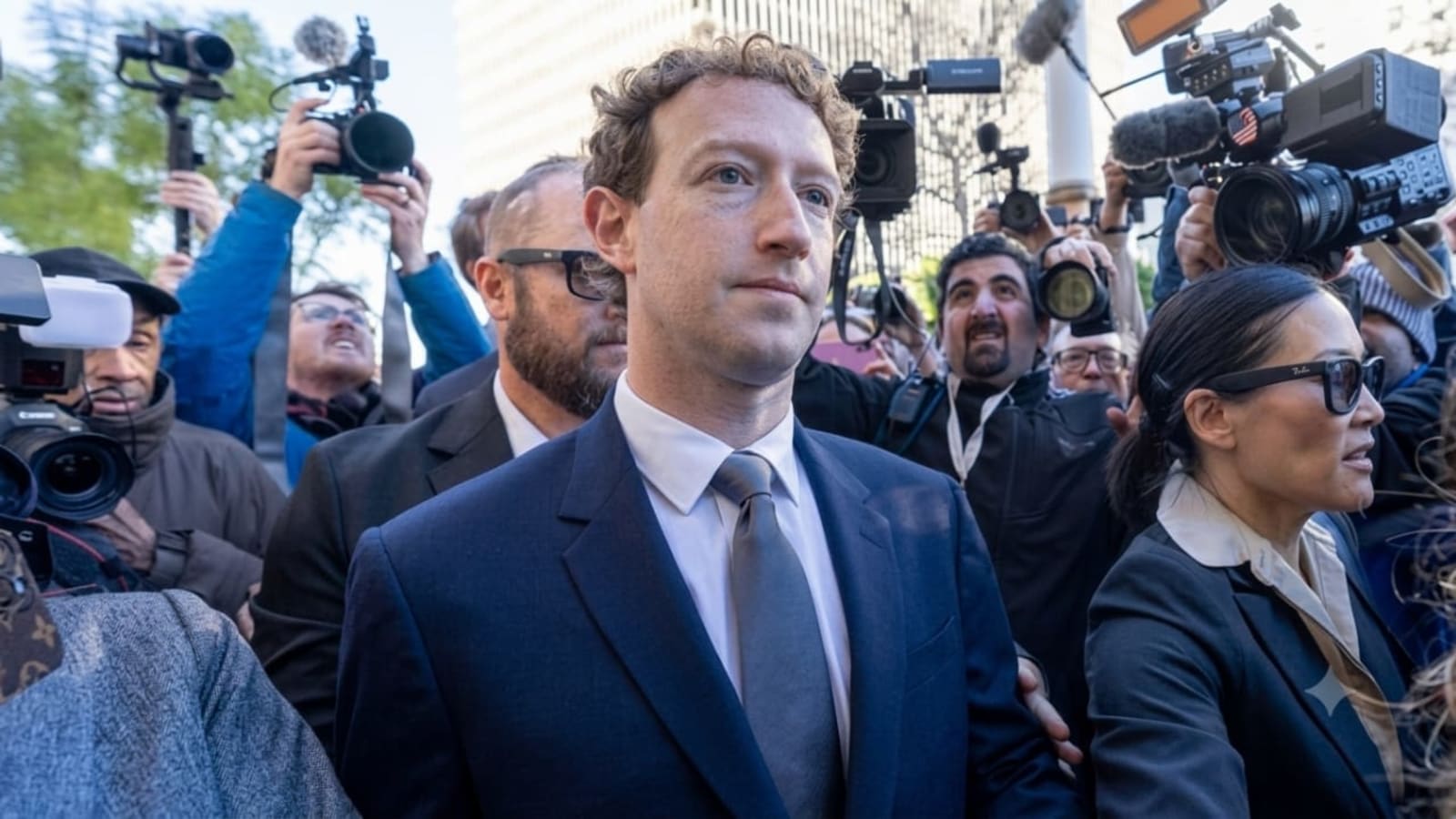
A history of Facebook scandals, a monopoly trial Meta won, a child-safety trial it's now fighting and why the fallout always lands hardest on the markets and minors Meta profited from first.
By Abdulmumin Ishola Olaleye
Facebook has been the subject of controversies since its inception. Credit: Sergei Elagin/Shutterstock
On August 18, 2026, a federal courtroom in Oakland opened what may become the most consequential trial in Meta's history. Twenty-nine US states allege Facebook and Instagram were deliberately engineered to addict children infinite scroll, autoplay, algorithmic amplification, all tuned for engagement Meta's own researchers reportedly knew was harmful. Meta's own court filings put its worst-case exposure at $1.4 trillion, a figure close to the company's entire market capitalisation. Mark Zuckerberg and Instagram chief Adam Mosseri are both expected to testify.
But this trial is not a bolt from nowhere. Meta has been warned before Cambridge Analytica's 2018 harvesting of 87 million users' data, the UN finding Facebook played a 'determining role' in violence against Myanmar's Rohingya, and Frances Haugen's 2021 disclosures that Meta's own research knew Instagram worsened teenage girls' body image and that the company underinvested in safety outside the US and Western Europe. Ask yourself why Nigeria and Kenya still trust that company with 65% of their population's attention every day.
The World Is Banning Children From the Platform. Ask Why Africa Isn't.
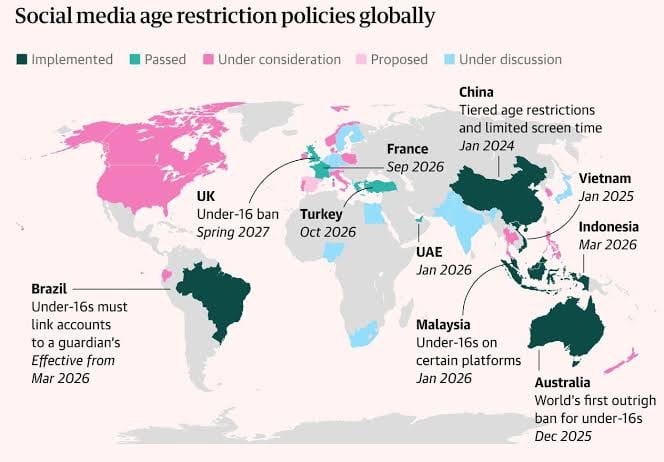
Social media age restriction policies globally, as of publication.
Editor's note: this graphic's France listing predates its Constitutional Council striking down the under-15 ban on privacy grounds days before it took effect.
Australia blocked under-16 accounts nationwide from December 2025, fines up to $99 million though 70-85% of that age group reportedly stayed on via VPNs or fake birthdays. Britain's ban, due 2027, comes with regulator data showing 22% of children already lie about their age online.
France passed Europe's first blanket under-15 ban on July 21, 2026 then its own Constitutional Council struck it down five days before it was due to start.
A nearly unanimous French parliament tried to act on Meta's admitted harm, and a court stopped them. If that's how hard this is in a G7 country, what chance does a Nigerian regulator have? No African government has passed anything close not Australia's ban, not Brazil's law banning infinite scroll for under-16s. Nothing.
Doomscrolling, and Zuckerberg's Monopoly Win
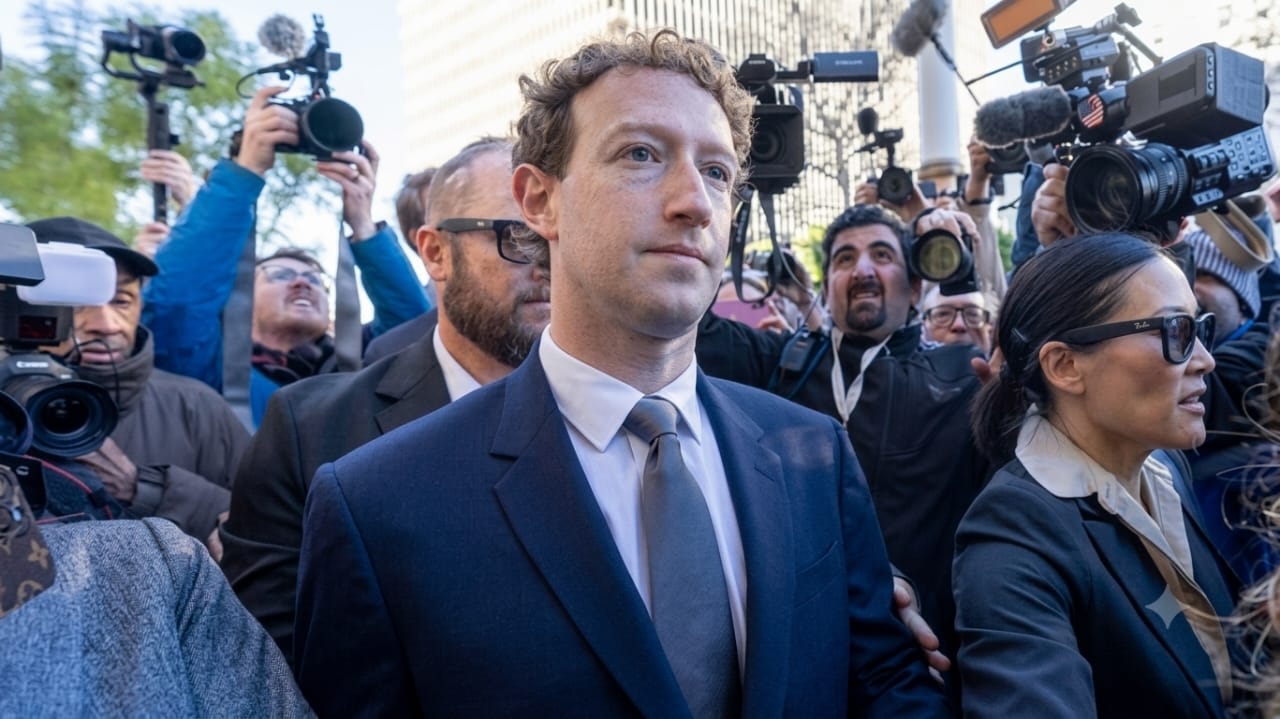
Meta CEO Mark Zuckerberg could be called to testify. Photo by Jill Connelly/Getty Images.
Nigeria recorded the world's highest weekly social media usage in early 2025 13 hours 46 minutes, ahead of Kenya per We Are Social/GWI. Meta beat back its biggest legal threat just before this trial: in November 2025, a judge ruled the FTC failed to prove a Meta monopoly. Meta keeps Instagram and WhatsApp and every design choice Oakland's states now say was built to addict children.
Africa Is Already an Exhibit In This Case
Meta's conduct in Africa isn't hypothetical it's sitting in a Kenyan courtroom. Moderator Daniel Motaung says his job at Meta's Nairobi review hub began with a beheading video; within six months he had severe PTSD, paid roughly $2.20 an hour. His 2022 lawsuit alleges union-busting and the word in the filings human trafficking. Kenyan courts have twice rejected Meta's bid to be struck from the case.
Four years after Motaung filed suit, a ruling expected in February 2026 still hasn't been delivered.
A multinational can simply wait out a labour case, while the workers who screened Meta's worst content for less than a Lagos okada fare per hour are still waiting for their day in court.
The Bill Nobody Sent
Nigeria's social media ad market is projected near ₦1.2 trillion in 2026. Any compliance changes Meta makes after Oakland will likely reach Nigerian teenagers as spillover, with no domestic law forcing it and if Motaung's case succeeds, it sets a precedent Nigeria could draw on too. Myanmar got a genocide Facebook allegedly helped fuel. Kenya's moderators got PTSD and $2.20 an hour. Nigeria and Kenya hold the world record for hours spent on these platforms. Australia, Britain, France and Brazil have each tried, however imperfectly, to send Meta a bill for what its design does to the young. No African government has even tried. Whatever Judge Rogers rules in Oakland, it will be American courts deciding an American case not Nigerian or Kenyan regulators setting the terms of Meta's accountability here, because no one has asked them to.
© 2026 Abdulmumin Ishola Olaleye | TalkAfricang.com


Comments (0)
Leave a Comment