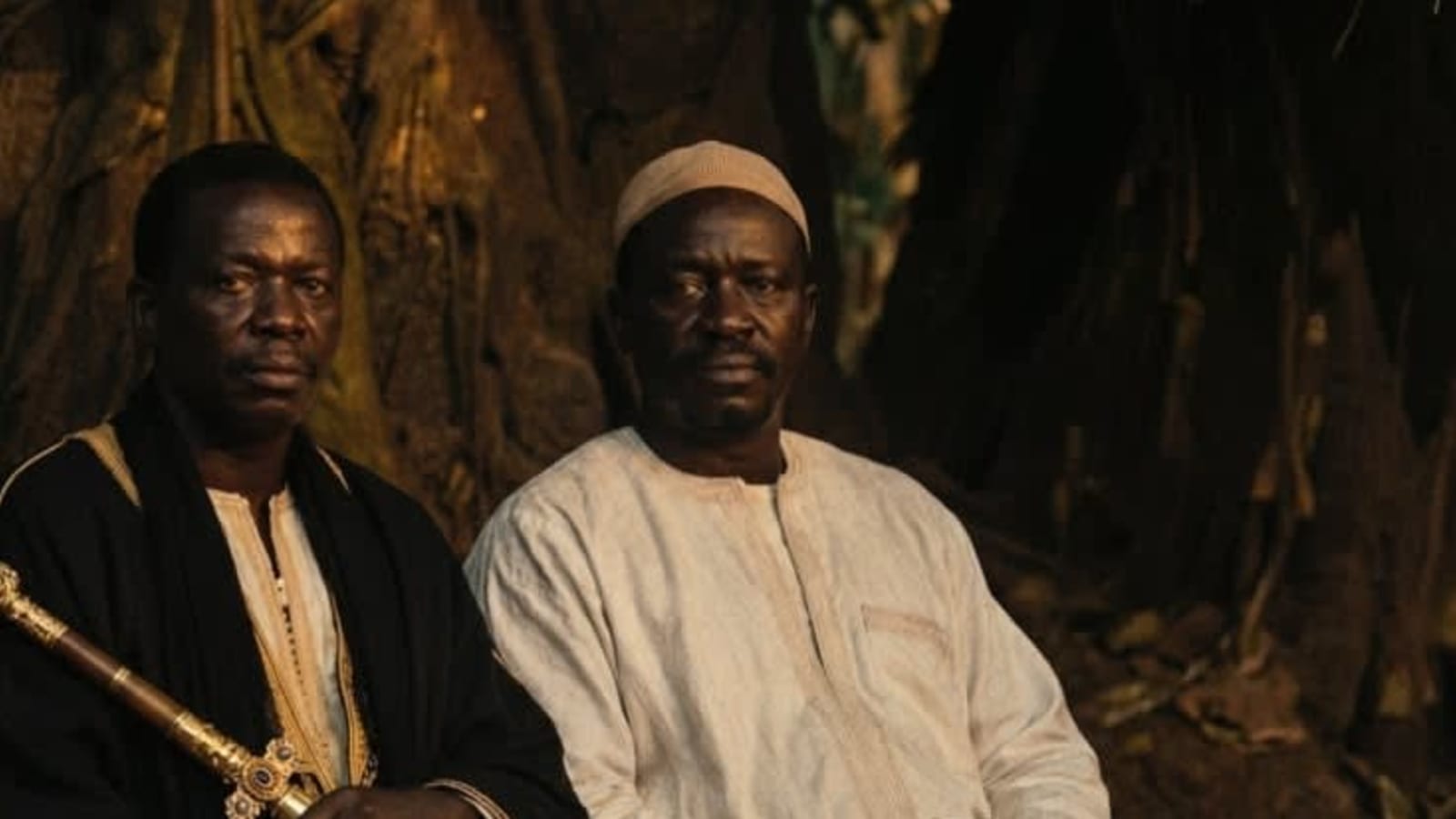
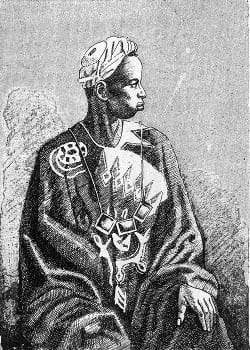
A griot is a West African oral historian, storyteller, praise singer, poet, and musician, someone tasked with preserving the genealogies, history, and cultural traditions of an entire community. Long before books existed, and long before anyone imagined artificial intelligence, griots were doing the work of both by storing information and passing it forward with precision.
So the real question worth asking is why so few people today know they existed at all, people who kept Africa history in their voices and heads?
Griots were never just skilled communicators alone. Oral storytelling was already a deep African tradition on its own, but griots were tasked with something heavier than performance. They preserved history, family stories, and the rules that governed empires. Every family and every generation depended on them to make sure nothing important got forgotten. They committed to memory and recited the lineages, exploits, and cultural knowledge of clans and rulers through poetic recitation and song, weaving African rhythm and spoken word into something built to last centuries.
Their role went beyond storytelling. Griots have also served as advisers and diplomats, and historically, they functioned as trusted counselors to kings and peacekeepers in local disputes. Their tongues,awareness of the past, patterns, and deep knowledge of protocol made them invaluable negotiators, and their words carried enough weight that offending a griot could damage a person's public standing for years.
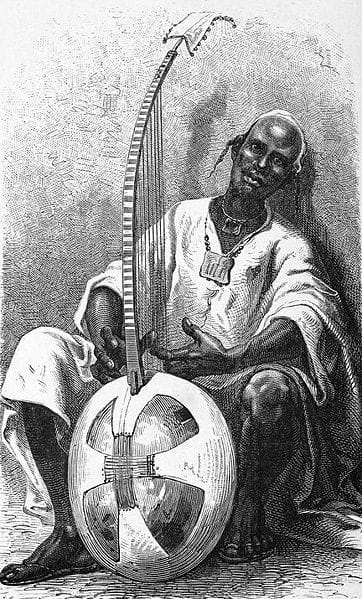
The role itself was not something anyone could simply choose. The griot profession was hereditary, passed down within specific families or clans, often beginning training in childhood under a parent, uncle, or elder relative. Mastering the position took years of disciplined study in both music and oral literature because remembering a story wasn't enough on its own. Griots understood that history recited flatly gets forgotten fast, so they leaned on instruments to keep it alive. Many played the kora, a 21-string harp lute, or the khalam, sometimes called the ancestor of the banjo. Because sometimes, the story alone just isn't enough to hold a room.
Before written history books existed, oral historians carried the past in memory alone, and entire families of them handed that responsibility down from one generation to the next. Speaking a story aloud let the griot use poetic rhythm and musical phrasing to hold an audience's attention, which is a large part of why so many of these oral histories survived for hundreds of years without ever being written down.
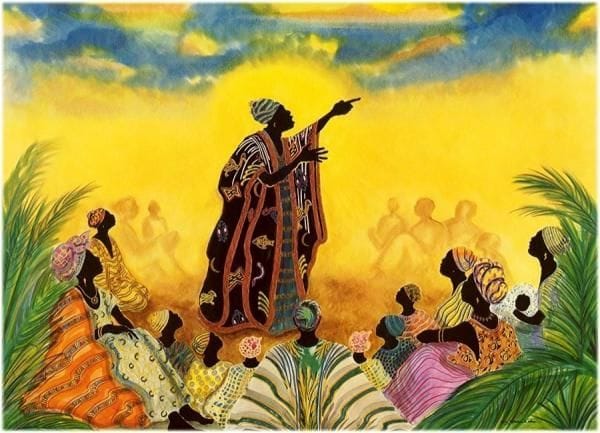
This tradition runs deep across societies, including the Mandinka, Wolof, Fulani, and Hausa, though the title itself changes by region. Among the Wolof people of Senegal, griots remain a primary source for understanding the community's own cultural memory, a role that has outlasted colonization, modernization, and the written page itself. It's worth asking why a profession this central to African memory has faded so far from common knowledge.
Maybe the real work now is making sure the griots are remembered the same way they made sure everyone else was, and Ryan coogler is helping Africans like you and i to do that.
© 2026 Okon David Ekanem | TalkAfricang.com

Comments (0)
Leave a Comment