
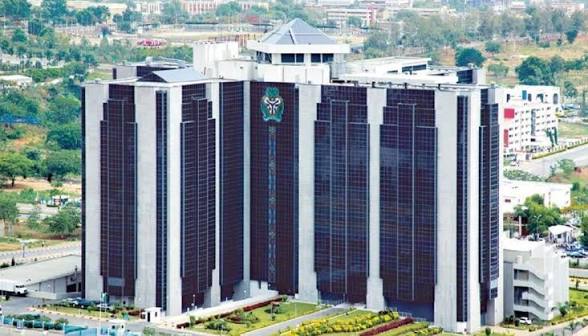
The Central Bank of Nigeria (CBN) has intensified its efforts to combat terrorism financing by directing banks, payment service banks and other financial institutions to immediately freeze accounts and assets linked to individuals and businesses placed on the country's terrorism sanctions list.
The directive was contained in a circular dated June 24, 2026, and signed by Olubunmi Ayodele-Oni, on behalf of the Director of the CBN's Compliance Department. The circular followed an update to the Nigeria Sanctions List by the Nigeria Sanctions Committee on June 18, 2026, as well as sanctions issued by the United States Office of Foreign Assets Control (OFAC) under Executive Order 13224, which targets individuals and organisations involved in terrorism and terrorism financing.
According to the CBN, six individuals and four Bureau De Change (BDC) operators have been designated under the latest sanctions. Financial institutions have been instructed to identify and immediately freeze all funds, assets and economic resources belonging to or controlled by the listed persons and entities. The order also extends to companies that are at least 50 per cent owned by any of the sanctioned individuals.
Beyond freezing the accounts, the apex bank directed financial institutions to strengthen monitoring of suspicious transactions, conduct reviews of past dealings involving the designated individuals and immediately file Suspicious Transaction Reports with the Nigerian Financial Intelligence Unit (NFIU) whenever a match is identified. Banks were also given 48 hours to report the actions they had taken to the CBN.
The decision is part of Nigeria's broader effort to prevent terrorist organisations from accessing the financial system. Terrorist groups rely on money to recruit members, purchase weapons, organise attacks and sustain their operations. By blocking access to financial resources, authorities hope to weaken their operational capacity and improve national security.
The latest directive also reflects Nigeria's commitment to meeting international standards on anti-money laundering and combating the financing of terrorism. Financial regulators around the world increasingly require countries to identify, monitor and restrict financial transactions connected to criminal and terrorist networks. Failure to do so could affect Nigeria's international financial reputation and make cross-border transactions more difficult.
However, while the policy has been welcomed as an important security measure, it also places a significant responsibility on financial institutions. Banks must ensure that sanctions are implemented accurately and fairly, with decisions based on verified intelligence and due process. This is necessary to protect innocent customers while maintaining confidence in the country's financial system.
Ultimately, the CBN's directive demonstrates that the fight against terrorism extends beyond the battlefield. Financial institutions have become an important line of defence by helping to detect suspicious transactions and cut off the funding that enables terrorist groups to operate.
As security threats continue to evolve, cooperation between the CBN, commercial banks, intelligence agencies and international partners will remain essential. While freezing accounts alone may not eliminate terrorism, disrupting its financial lifeline is a critical step toward strengthening Nigeria's security and safeguarding the integrity of its financial system.
© 2026 Aliu Azeema |
TalkAfricang.com


Comments (0)
Leave a Comment