
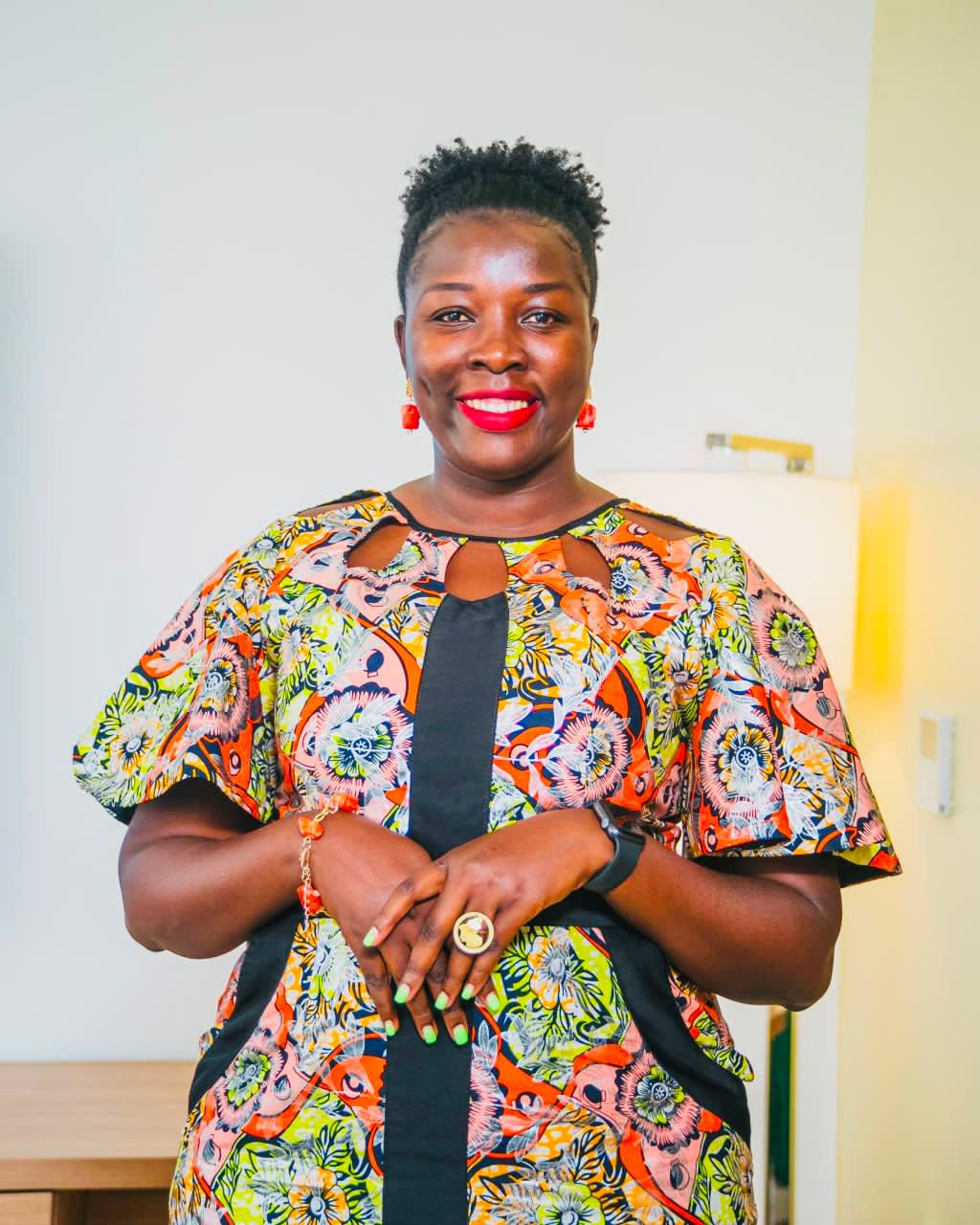
Sandra Aceng is a Ugandan gender and ICT researcher, policy analyst, writer, Wikimedian, and digital rights advocate whose work has become instrumental in shaping conversations around technology, gender equality, and human rights across Africa and beyond. Through years of research, advocacy, and policy engagement, she has established herself as one of the continent's leading voices championing a safer, more inclusive digital ecosystem where women can thrive without fear of discrimination, harassment, or violence.
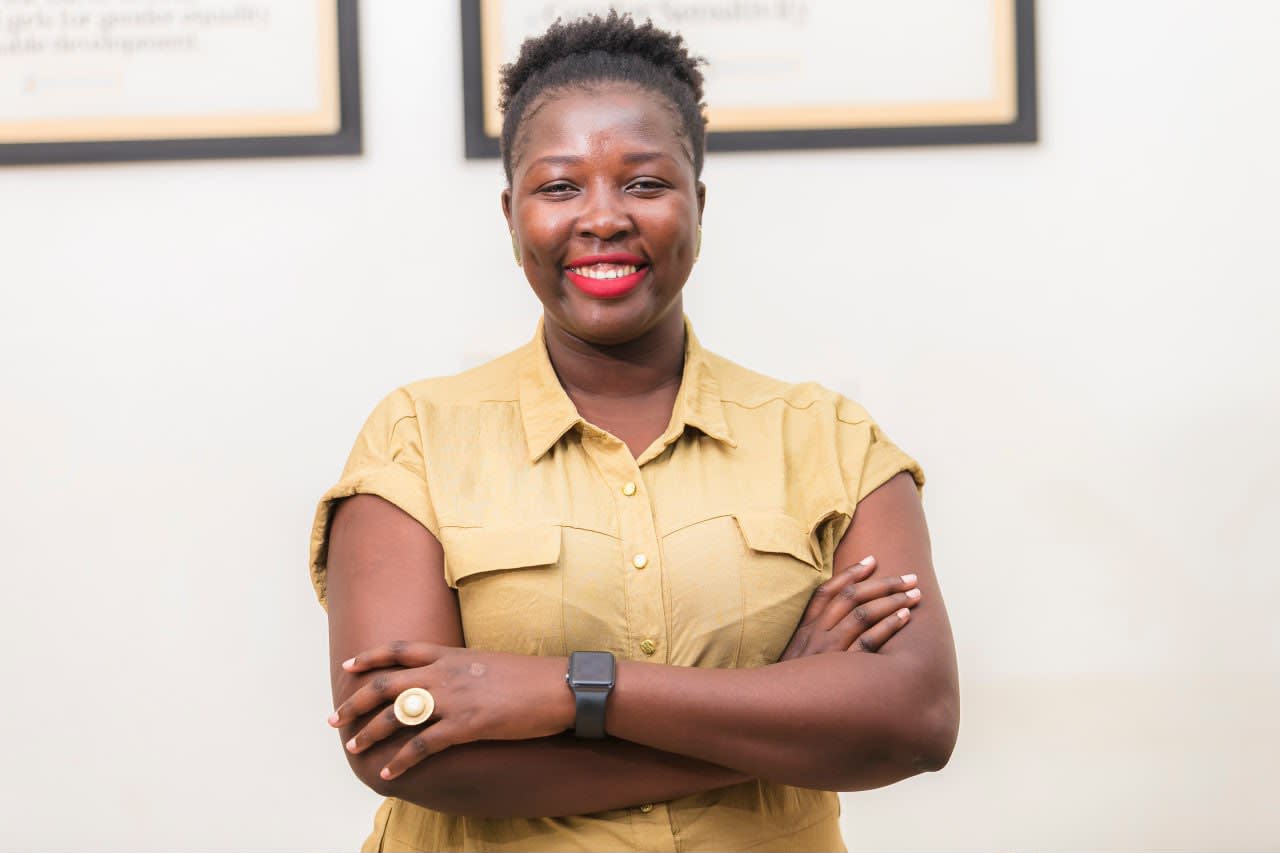
Currently serving as the Executive Director of the Women of Uganda Network (WOUGNET), Sandra leads initiatives that place women's rights at the centre of digital transformation. Her work integrates gender perspectives into information and communication technology (ICT) policies, examining how technology influences women's safety, freedom of expression, access to information, and participation in online spaces. Under her leadership, WOUGNET continues to advocate for digital inclusion, online safety, and policies that ensure technology serves as a tool for empowerment rather than exclusion.
Sandra's expertise has earned her recognition on both regional and global platforms. A respected human rights defender, she was named DefendDefenders' Human Rights Defender of the Month in 2021 in recognition of her unwavering commitment to protecting and advancing digital rights. She has also played a significant role in shaping international conversations on technology-facilitated gender-based violence (TFGBV). She contributed to the 2022 publication Technology and Domestic and Family Violence: Victimisation, Perpetration, and Responses, a landmark work examining the complex relationship between technology and gender-based violence.
Her influence extends into global policymaking and advisory work. Sandra has served on the United Nations Population Fund (UNFPA) Advisory Group for the 2025 and 2026 Global Symposium on Technology-Facilitated Gender-Based Violence, as well as UNFPA Africa's first-ever symposium dedicated to the issue. She currently serves on Ofcom UK's Expert Advisory Board, contributing to research on technology-facilitated gender-based violence, and also helped develop a United Nations legislative supplement designed to address violence against women and girls enabled by technology. In addition, she served as a global research advisor on TFGBV for the United Kingdom-based organisation Q3 Strategy, contributing to international research that explores the realities of technology-facilitated violence across multiple countries.
Sandra has consistently combined research with practical advocacy. She is a contributor to Global Voices and Impakter Magazine, and previously served as an Associate Editor at the Directory of Open Access Journals (DOAJ). Her dedication to advancing digital rights has earned her several prestigious fellowships, including the 2020 Global Network Initiative and Internews Fellowship, the 2021 OPTIMA Data-Driven Activism Fellowship, where she researched the impact of internet shutdowns on women, and selection as one of only 40 fellows for the 2021 African School on Internet Governance (AfriSIG).
Beyond fellowships, Sandra continues to shape global accountability and governance structures. She currently serves on the Global Network Initiative Accountability Committee for the 2025–2026 term, contributing to efforts that promote responsible technology governance and respect for human rights in the digital age.
In Uganda, Sandra leads groundbreaking work advancing data justice through research and advocacy on issues such as surveillance, copyright, digital forensics, disinformation, and the ethical use of technology. She works closely with policymakers, developers, civil society organisations, women, and persons with disabilities to ensure that technological advancement remains inclusive and rights-based. Through Wikimedia initiatives, she also promotes feminist knowledge production, digital literacy, community participation, and equitable access to information, helping to bridge knowledge gaps and amplify underrepresented voices.
Her remarkable contributions to the global knowledge movement received further recognition in 2026 when she was featured in the Wikimedia Foundation's 2024–2025 Annual Report as one of only six contributors of note. She was also one of just two editors specially recognised for exemplifying the very best of Wikipedia beyond article creation, highlighting her commitment to building open, inclusive, and accessible knowledge for communities around the world.
Sandra Aceng's journey is a powerful reminder that technology is most transformative when it is guided by justice, inclusion, and humanity. Through her relentless advocacy, research, and leadership, she continues to redefine what digital rights mean for African women, ensuring that the future of technology is not only innovative but also equitable, safe, and accessible for everyone.


Comments (0)
Leave a Comment