
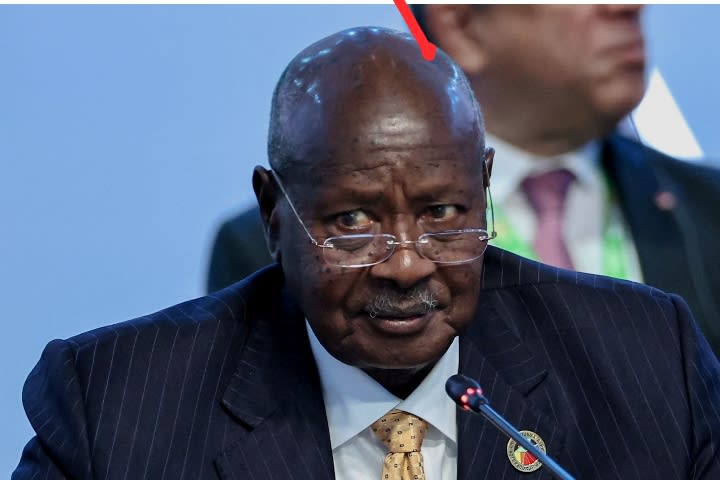
Uganda’s President Yoweri Museveni has officially begun another term in office, extending a political reign that has shaped the East African nation for almost 40 years.
Having first taken power on January 26, 1986, after leading a guerrilla war that ended years of political instability, Museveni’s continued leadership marks one of the longest presidential tenures on the African continent. His latest swearing-in for a seventh term reinforces his place as a dominant figure in Uganda’s modern political history.
For many Ugandan, Museveni’s presidency represents a period of stability after decades of turmoil that included military coups and civil conflict. Under his administration, Uganda has experienced infrastructure growth, regional influence, and periods of economic progress. Supporters often credit him with restoring order and positioning Uganda as a stronger player in East African politics.
However, his prolonged stay in power has also sparked criticism both locally and internationally. Opposition voices, civil society groups, and political analysts have repeatedly raised concerns over democratic freedoms, electoral fairness, constitutional amendments, and restrictions on dissent. Changes to presidential age limits and term limits over the years have especially fueled debates about governance and the future of leadership transition in Uganda.
Museveni’s leadership journey reflects a broader conversation seen across parts of Africa, where long-serving leaders often balance narratives of stability and development against concerns about democracy, generational change, and institutional independence.
As Uganda moves further into this new political chapter, attention is likely to remain focused on key national issues including youth unemployment, economic opportunities, governance reforms, and the role of younger generations in shaping the country’s future.
With one of Africa’s youngest populations, Uganda’s political landscape may increasingly be defined not only by its past under Museveni, but by growing questions about what comes next.
For now, Museveni’s seventh term stands as both a symbol of political endurance and a renewed point of discussion about leadership, legacy, and democracy in modern Africa.
© 2026 Aliu Azeema | TalkAfricang.com

Comments (0)
Leave a Comment