Subscription opens today, September 14, as the world's largest single-train refinery asks investors to back a $47–50 billion valuation. Some analysts call the bet visionary. Others call it a Rolls-Royce priced like a Gulfstream.
By Abdulmumin Ishola Olaleye
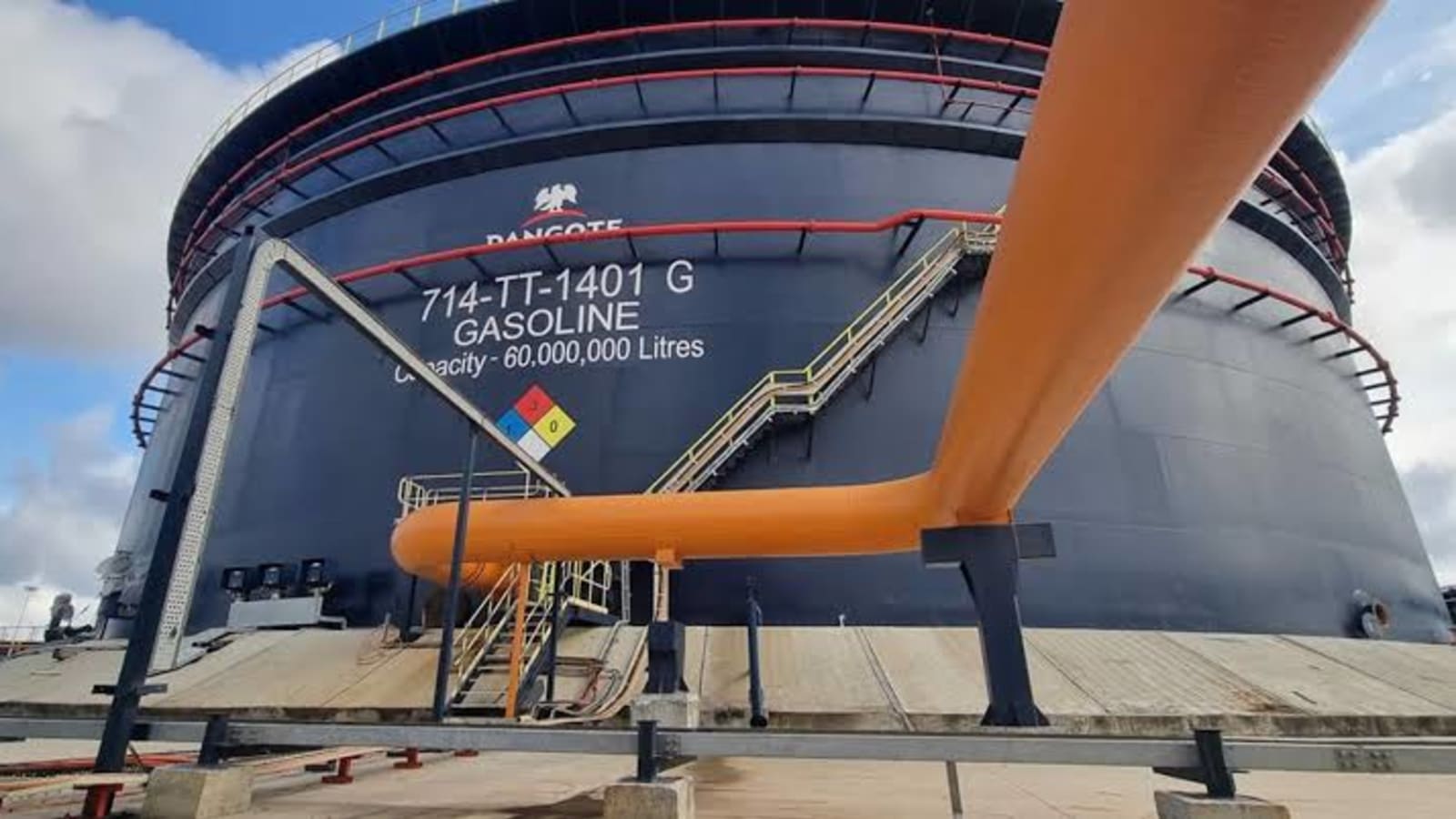
Today, Nigerians get their first formal chance to own a piece of the refinery that has reshaped the country's fuel supply chain since it began operations in 2023. Dangote Petroleum Refinery and Petrochemicals FZE opens subscription on what its promoters are calling Africa's biggest-ever share sale: 4.1 billion ordinary shares at ₦525 apiece, targeting roughly ₦2.15 trillion if the offer is fully taken up. The order book carries a 15 percent greenshoe option, allowing the company to sell more shares if demand runs ahead of supply, a live possibility given that a $2.5 billion private placement completed in July was reportedly oversubscribed by 3.7 times. The window runs to October 13, with listing on the Nigerian Exchange's Main Board expected in late November, according to Reuters and the lead issuing house, Vetiva Advisory Services.
| OFFER SIZE | ₦2.15 trillion | SHARE PRICE | ₦525 per share |
| SHARES OFFERED | 4.1 billion ordinary shares | MINIMUM SUBSCRIPTION | 10 shares (₦5,250) |
| OFFER PERIOD | Sept 14 – Oct 13, 2026 | IMPLIED VALUATION | ≈ $47–50 billion |
| EXPECTED LISTING | NGX Main Board, November 2026 | LEAD ISSUING HOUSE | Vetiva Advisory Services |
Key terms of the Dangote Petroleum Refinery IPO, as subscription opens today, September 14.
THE CASE FOR OPTIMISM
The scale is not in dispute. At 700,000 barrels per day, Dangote's plant is already the largest refinery in the world built around a single crude distillation unit, and a planned second unit would push capacity to 1.4 million bpd by 2028, overtaking India's Jamnagar complex as the outright largest on the planet. Renaissance Capital estimates the $12.4 billion expansion, to be substantially funded by IPO proceeds, will cost roughly 38 percent less than the original build, since it replicates existing infrastructure on the same site rather than starting a new project from scratch.
The refinery has also turned a corner financially. Dangote's business went from a $476 million loss in 2025 to a $1.82 billion profit in the first half of 2026, and the company says it generated $6.4 billion in export revenue in its first nine months of full operation, driven largely by fertiliser and petrochemical shipments. The US Energy Information Administration has credited the plant with a seven-fold increase in Nigerian petroleum product exports since 2023, and FirstCap, one of the banks on the deal, argues that Europe's continued move away from Russian fuel will sustain demand for Dangote's output in the medium term. One Nigerian economist cited by Semafor goes further, projecting the refinery could help drive Nigeria's GDP to $600 billion by 2030.
Crucially, the offer has been structured for the mass market rather than institutional investors alone. The minimum subscription is just 10 shares, or ₦5,250, and Dangote has partnered with fintech and mobile-money platforms Moniepoint, MTN MoMo, Airtel, Payaza, PiggyVest, Paga and Chapel Hill Denham's Invest Naija to let ordinary Nigerians subscribe from a phone. Aliko Dangote has framed the goal explicitly as continental economic inclusion. At Monday's signing ceremony in Lagos, he told attendees, "it's not really about raising funds, it's about getting our own Africans generally to be part and parcel of this refinery," invoking Amazon's early shareholders as the model he wants Nigerian and African retail investors to replicate, with a target of 10 million shareholders across the continent.
THE SKEPTICS' MATH
Set against that optimism is a valuation question that several analysts describe as the central issue of the offer. The Securities and Exchange Commission's approval values the refinery at roughly $47 billion based on the IPO price and registered share capital, with some analyst estimates running as high as $62.5 billion once the Phase 2 expansion is priced in. Businessday reports this implies an EV/EBITDA multiple of around 18 times well above comparable listed refiners such as Reliance Industries (roughly 10.5x), Marathon Petroleum (roughly 9x) and China's Sinopec (roughly 8.5x). One fund manager, quoted anonymously, compared the pricing to "buying a Rolls-Royce at the price of a Gulfstream jet."
There are structural risks beneath the pricing debate. As a private company until now, Dangote's refinery has disclosed little audited financial detail; the prospectus will be the first time most investors see verified revenue, debt and cost data in full. The Exchange, a Lagos-based financial publication, has flagged exposure to naira volatility and what it calls opaque crude oil pricing arrangements as risks that could unsettle institutional investors who have previously been burned by African energy megaprojects. Foreign-currency export revenue, analysts caution, does not automatically translate into foreign-currency dividends for shareholders, a distinction the prospectus is expected to address in more detail.
There is also historical baggage. The refinery itself opened seven years behind its original schedule, and Forbes Africa notes that its ramp-up has unfolded against a backdrop of persistent skepticism about how quickly Dangote could scale output skepticism that, fairly or not, now attaches to the IPO's growth assumptions as well. And with the deal's implied valuation equivalent to nearly half of the Nigerian Exchange's entire market capitalisation of about $107 billion, a listing of this size introduces liquidity dynamics the market has not had to absorb before.
WHAT RETAIL INVESTORS ARE BEING ASKED TO WEIGH
For the ordinary Nigerians the offer is courting, the appeal is straightforward: a rare chance to hold equity in a strategically important, currently profitable national asset, at an entry price low enough for drivers, traders and civil servants to participate. But financial educators are also urging caution. Investment platform Bamboo, in a guide published ahead of the offer, notes that the deal's scale and limited public track record mean the quality of an investor's own risk analysis matters more here than it would for a smaller, more transparent listing advice echoed by Dabafinance, which has separately warned Nigerians to verify subscription details only through the SEC and licensed channels, given the volume of scam activity such large offers tend to attract.
THE BIGGER PICTURE
Whatever the outcome, the Dangote IPO is being watched well beyond Nigeria's borders as a test of whether African capital markets can absorb a homegrown industrial giant at global scale and whether the continent's own investors, not just foreign funds, are being given a genuine stake in that growth. The refinery's fundamentals real output, real exports, a turn to profitability are not in question. Whether ₦525 a share is the right price for those fundamentals is the argument that will play out over the next month. As the order book opens today, Nigerian investors weighing whether to subscribe would do well to read the prospectus, not just the headlines, before they do.



Comments (0)
Leave a Comment