Most Nigerians know hibiscus as the base of zobo, the deep red drink sold at roadside stalls. Timi Oke saw an export commodity. His company, AgroEknor, ships dried hibiscus flowers grown in northern Nigeria to buyers in Mexico, the United States and Europe. Its story is a useful case study in turning an ordinary crop into a business, and in where the risks sit.
The First Order
In 2012, while working at a bank in the United Kingdom, Oke joined LinkedIn groups and attended trade fairs on the advice of an import-export trader. He landed his first client, a Mexican importer who wanted five containers of dried hibiscus. He took a career break, registered AgroEknor with his brother and a friend, and financed the first order through crowdfunding and personal funds.
His brother travelled to Kano to buy from aggregators who gathered the flowers from smallholder farmers. When payment for the first order arrived, Oke quit banking and moved back to Nigeria to run the company full-time.
Volumes grew quickly: about 60 tonnes of hibiscus in year one, double that in year two, and 540 tonnes by year three.
Moving Closer to the Farmer
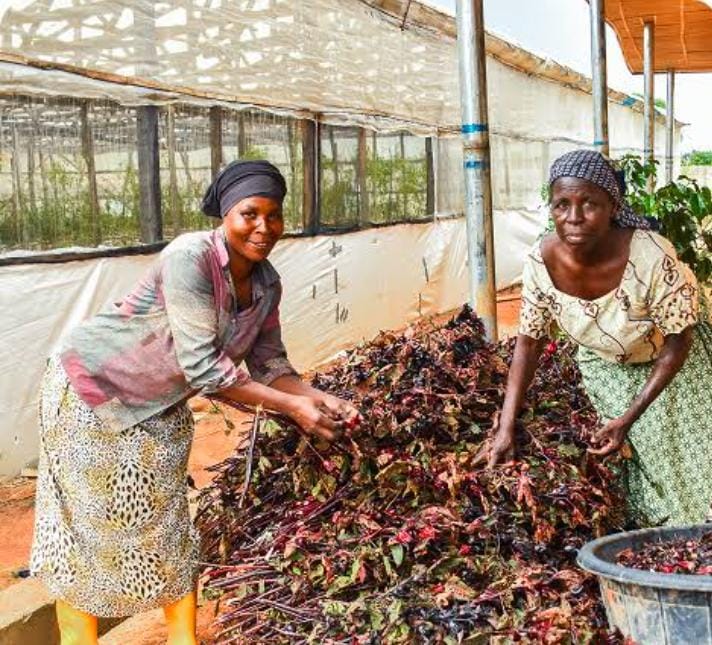
Buying through aggregators made quality and traceability hard to control, so AgroEknor began working directly with smallholders.The company obtained certifications needed to sell into the European Union, added processing capacity including a fumigation chamber, and entered the American market, which Oke has described as especially lucrative, with revenues often double those of other destinations. In 2018 it secured funding from the Nigerian Export-Import Bank.
Scale figures vary by source. One interview puts the number of smallholders at over 7,000, while the company's own profile cites more than 15,000 farmers empowered and over 50,000 tonnes of commodities exported across a decade. These are self-reported numbers that measure different things, and they should be read with that in mind.
Oke built the business in a market that was already large. The Association of Hibiscus Flower Exporters of Nigeria reported that Nigeria shipped 1,983 containers of hibiscus to Mexico alone in 2017, earning $35 million in nine months. The association has put the value of the whole industry at roughly $100 million, with Mexico absorbing about 85 percent of exports.
Nigeria's hibiscus trade is valuable, but heavily dependent on a single buyer country.
Oke also spotted a gap. Large growers in the north struggled to move their produce abroad because many local traders wanted to avoid the tension and unrest in the area, which left room for a company willing to manage that risk.
What the Success Story Leaves Out
The Instagram post describes a multi-billion dollar empire. A search of published interviews, trade-press reports and company profiles found no figure that supports that description. The verifiable record shows a substantial exporter operating in an industry valued in the low hundreds of millions of dollars. Celebratory framing can obscure that difference.
Concentration is the first risk. In 2015 Mexico tightened checks on Nigerian hibiscus after alleging adulteration, a reminder of how quickly a dominant buyer can change the rules. Quality control, which AgroEknor addressed through direct farmer relationships and certification, is therefore a commercial necessity rather than a refinement.
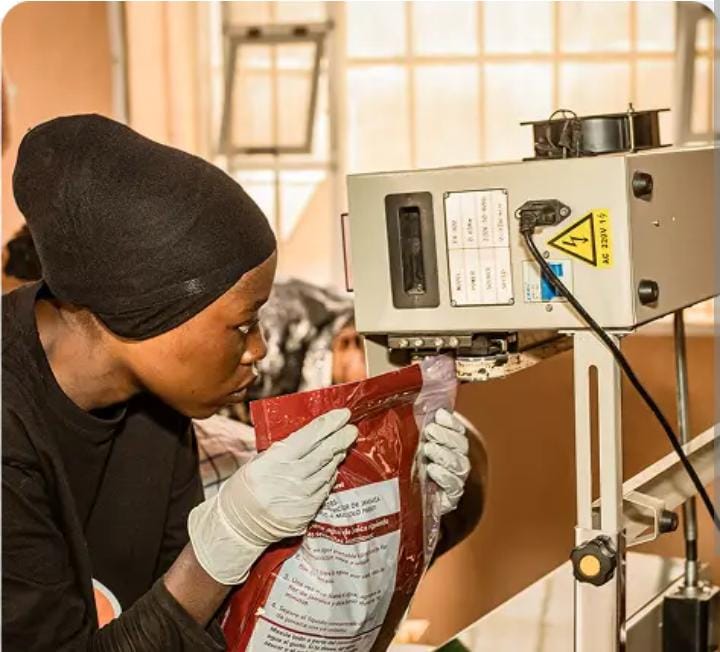
The second risk is the nature of the product. Dried flowers are a raw commodity, and much of the value in a bottle of hibiscus drink is captured by processors and brands abroad. AgroEknor's retail packaging for a US client and its branded hibiscus products point toward more value addition at home, but commodity exporting still leaves a business exposed to price swings. Insecurity in northern Nigeria, which created an opening for the company, also remains a threat to supply.
Oke's journey shows that opportunity can hide in familiar places, and that a first order, a good network and direct relationships with farmers can build a lasting export business. It also shows what sustains such a business: certification, quality discipline and a willingness to look beyond a single market. For Nigerian agribusiness, that is the more useful lesson than the empire headline, and it applies to young exporters weighing similar bets on cashew, sesame or ginger, which AgroEknor also trades.



Comments (0)
Leave a Comment