
Africans love head wraps, but why do they tie them?
If you think African head wraps are only about fashion, think again. Before social media or fashion shows, head wraps have always existed.
Let's look into the different regions that tie head wraps in West Africa and their meanings.
West Africa
In West Africa, head wraps are not just fashion. In places like Nigeria, Senegal, Ghana, Togo, and Benin, they're a big part of culture. The style, fabric, and how you tie it can show respect, beauty, and who you are in your community.
Nigeria
Nigeria is one of the most expressive countries when it comes to head wraps.
Among the Yoruba people, the most popular head wrap here is the Gele. It’s made from thick fabrics like aso-oke, damask, or sego. It’s big, bold, and often stands tall on the head. People wear it for weddings, naming ceremonies, and big celebrations.
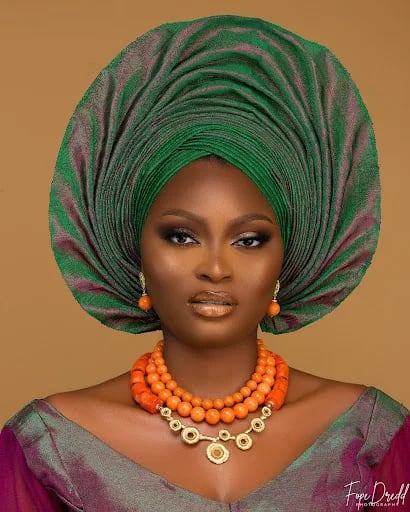
The Yoruba gele is one of Africa's most recognisable head wraps, often worn during weddings and other important celebrations.
Photo Credit: Melody Jacob.
In Yoruba culture, a woman’s gele can show her status without saying a word. Brides wear fancy, standout styles to show it’s their special day, married women usually go for more mature, neat styles, while younger or single women might tie theirs in lighter, fun, and stylish ways. There’s even a saying; “the higher the gele, the higher the authority.”
For the Igbo people, their head wraps are called Ichafu. They’re softer and less stiff than the Yoruba gele. They’re often made with George or lace fabric. Married women usually cover their heads during ceremonies or around elders as a sign of respect and dignity.
In Igbo communities, how you tie your Ichafu can show your age or maturity. Older women tie theirs to cover more, in a modest way while younger women might leave some hair showing. For traditional weddings, the bride’s head wrap is styled to show honor and that she’s becoming a woman.
In Northern Nigeria, Hausa people head wraps or veils are linked to religion and culture. Women wear them as part of dressing modestly, usually with lighter fabrics. They’re not as fancy as gele, but they mean a lot, as they show dignity, respect, and religious devotion.
Senegal
In Senegal, the head wrap is called moussor. Wolof women and other ethnic groups wear it a lot and it's usually made from the same fabric as their outfit, so the whole look matches and feels elegant. It is usually worn to complement certain outfits like the grand boubou.
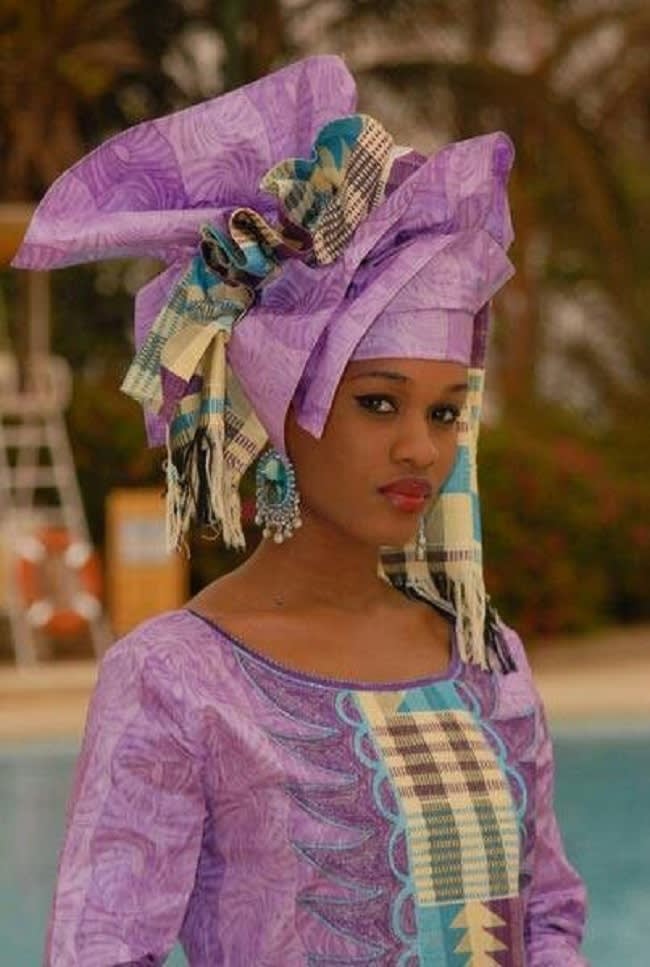
In Senegal, the moussor is often tied with a matching grand boubou, creating a graceful and elegant look.
Photo Credit: Afroculture net.
How you tie your moussor can show your personality and social standing. Big wraps are for celebrations, while simple styles are for everyday wear. The fabric matters, too, whether it is expensive wax print or fancy material, it can suggest wealth or higher class.
Ghana
In Ghana, the head wrap is called duku, especially among the Akan people, and both young and older women wear it.
Duku is used for everyday wear and special occasions. At funerals, women wear black or red duku to show mourning and respect. For celebrations, they choose brighter shades of colors to show joy.
Older women usually tie the duku so it fully covers the head, which shows maturity and wisdom while younger women often tie it in more stylish ways that shows tradition and modern fashion.
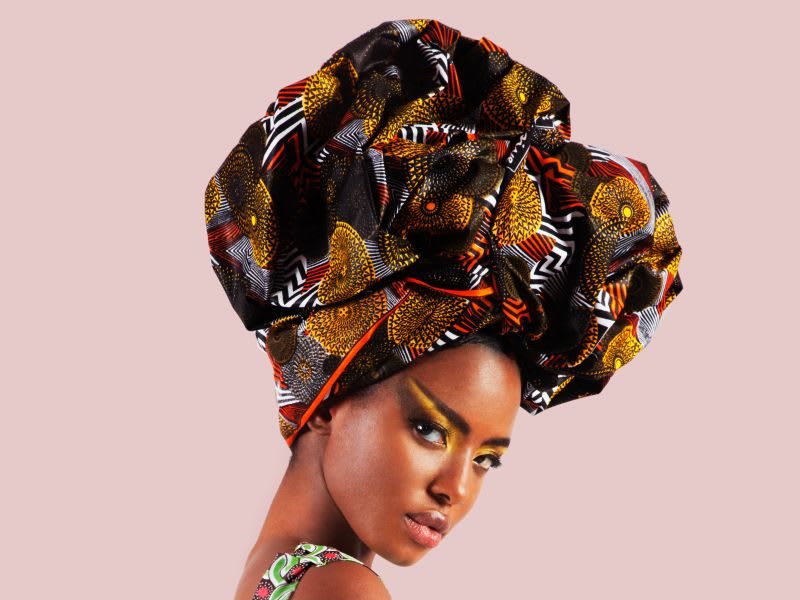
The Ghanaian duku is worn for both everyday life and special occasions, with colours often reflecting the event.
Photo Credit: Bella Naija.
In other West African cultures in countries like Togo and Benin, head wraps are also generally worn, often using Ankara or wax prints. These wraps are part of everyday dressing and are also important during festivals and ceremonies
.
2026 Bernice Temitayo Olusaiye | Talkafricang.com


Comments (0)
Leave a Comment