
Abacha (African Salad): A Delicious Taste of Igbo Culinary Heritage
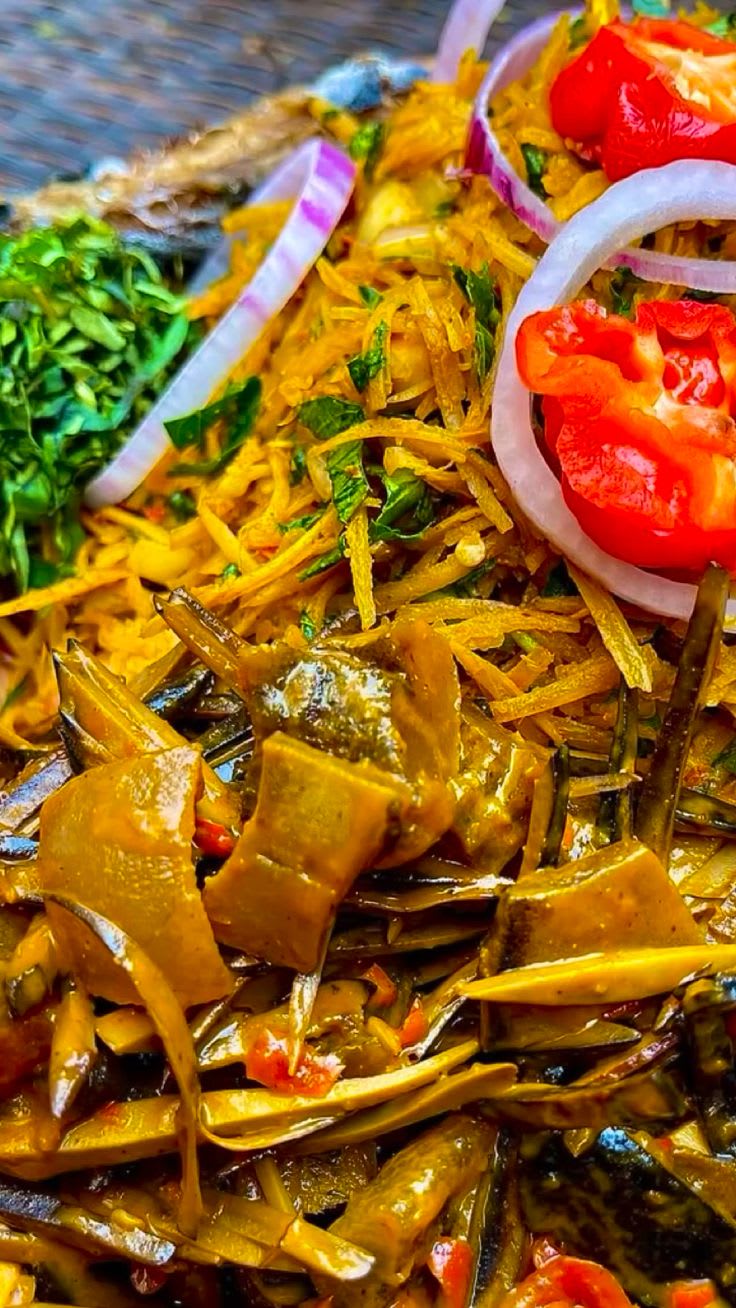
Abacha, popularly known as African Salad, is one of the most cherished traditional dishes of the Igbo people in southeastern Nigeria. Despite its name, it is not a salad in the Western sense. Instead, it is a flavorful delicacy made from processed cassava, mixed with palm oil, local spices, vegetables, and protein-rich ingredients. Abacha is loved for its unique taste, vibrant appearance, and rich cultural significance.
Often served at traditional ceremonies, festivals, weddings, family gatherings, and roadside eateries, Abacha has become a favorite across Nigeria and beyond. Its combination of crunchy vegetables, aromatic spices, and savory ingredients makes it a satisfying meal or snack.
History and Origin of Abacha
Abacha originated among the Igbo people of southeastern Nigeria, where cassava has been cultivated for centuries. The dish developed as an innovative way of preserving cassava after harvest while creating a nutritious and delicious meal.
Traditionally, cassava tubers are peeled, cooked slightly, thinly sliced, and sun-dried. This preservation method allows the dried cassava slices to be stored for long periods. Before preparation, the dried slices are soaked in warm water until soft, then mixed with a richly seasoned palm oil sauce and other ingredients.
Over the years, Abacha has spread beyond the southeastern states and is now enjoyed throughout Nigeria by people from different ethnic backgrounds.
Ingredients Used in Preparing Abacha
The ingredients used may vary depending on personal preference and regional traditions, but common ingredients include:
Dried Abacha (processed cassava slices)
Palm oil
Potash (akanwu)
Ground crayfish
Ugba (oil bean seeds)
Garden eggs
Utazi leaves
Garden egg leaves
Onions
Fresh pepper
Seasoning cubes
Salt
Smoked fish
Stockfish
Ponmo (cow skin)
Kpomo
Cooked meat
Dry fish
Boiled eggs (optional)
The combination of these ingredients creates the distinctive taste and aroma that makes Abacha so popular.
How Abacha Is Prepared
The preparation begins by soaking the dried cassava slices in warm water until they become soft. They are then drained thoroughly.
Palm oil is mixed with dissolved potash to produce a thick yellow-orange sauce. Ground crayfish, pepper, seasoning, salt, and ugba are added to the mixture before combining it with the softened cassava.
The dish is then garnished with sliced onions, utazi leaves, garden egg leaves, garden eggs, and various proteins such as smoked fish, meat, stockfish, or ponmo. The ingredients are gently mixed to ensure every piece is coated with the flavorful sauce.
Nutritional Value of Abacha
Abacha contains a variety of nutrients that contribute to a healthy diet, especially when prepared with fresh vegetables and protein-rich ingredients. Its nutritional value includes:
* Carbohydrates: Cassava is rich in carbohydrates, making Abacha an excellent source of energy.
* Protein: Ugba (oil bean seeds), crayfish, fish, and meat contribute protein needed for growth and tissue repair.
* Healthy Fats: Palm oil provides healthy fats and is rich in vitamins A and E.
* Dietary Fiber: Vegetables such as utazi and garden egg leaves, along with ugba, contain fiber that supports healthy digestion.
* Vitamins: Palm oil and fresh vegetables provide vitamins A, E, and C, which help strengthen the immune system and maintain healthy skin.
* Minerals: Ingredients like crayfish, fish, and vegetables supply essential minerals such as calcium, iron, potassium, and phosphorus.
* Antioxidants: Utazi leaves, peppers, onions, and palm oil contain antioxidants that help protect the body's cells from damage.
Health Benefits of Abacha
When prepared with fresh ingredients and enjoyed in moderation, Abacha offers several health benefits:
* Provides a good source of energy for daily activities.
* Supports muscle growth and body tissue repair through its protein content.
* Promotes healthy digestion due to its dietary fiber.
* Supplies antioxidants that help protect the body from harmful free radicals.
* Contributes essential vitamins and minerals that support overall health and boost immunity.
*Can promote a balanced diet when served with plenty of vegetables and lean protein.
*Helps preserve traditional eating habits while providing a nutritious and satisfying meal.
Cultural Significance of Abacha
Abacha occupies a special place in Igbo culture. It is commonly served during traditional weddings, naming ceremonies, festivals, community meetings, and other celebrations. Street vendors and local restaurants across southeastern Nigeria are also well known for preparing delicious Abacha.
The meal symbolizes hospitality, togetherness, and the preservation of traditional culinary practices. For many families, preparing Abacha is a cherished tradition passed down through generations.
Abacha is best served fresh and slightly warm or at room temperature. It is commonly enjoyed with smoked fish, stockfish, ponmo, cow meat, boiled eggs, or grilled fish. Many people also pair it with chilled soft drinks, palm wine, or fresh fruit juice, making it a refreshing meal for social gatherings and special occasions.
Abacha is loved because of its unique combination of flavors, textures, and cultural richness. The soft cassava, crunchy vegetables, slightly bitter utazi leaves, and savory palm oil dressing create a memorable taste experience. It is affordable, filling, easy to customize with different proteins, and suitable for both everyday meals and festive celebrations. Beyond its delicious flavor, Abacha represents the rich culinary heritage of the Igbo people and continues to unite families and communities around a shared love for traditional food.
Abacha is more than just a meal it is a celebration of Nigerian culture, creativity, and tradition. Its unique preparation, rich nutritional value, and cultural importance have made it one of Nigeria's most beloved indigenous dishes. Whether enjoyed at a family gathering, cultural festival, or from a roadside vendor, Abacha remains a timeless delicacy that proudly showcases the richness of Igbo cuisine.
©2026|Osho Deborah|Talk Africa NG.com


Comments (0)
Leave a Comment