
Located in the town of Ajaokuta, the Ajaokuta Steel Company stands as one of the most ambitious industrial projects in African history. Conceived as the foundation of Nigeria's industrial revolution, the steel complex was designed to produce the steel needed for railways, bridges, vehicles, machinery, construction, and manufacturing. For decades, it has remained a symbol of both immense national potential and unrealized dreams.
The idea of establishing a large-scale steel industry in Nigeria emerged in the years following independence. Leaders recognized that no nation could achieve true industrialization without producing its own steel. After extensive geological surveys confirmed the availability of iron ore deposits and other raw materials within the country, Ajaokuta was selected as the ideal location for a massive integrated steel plant.
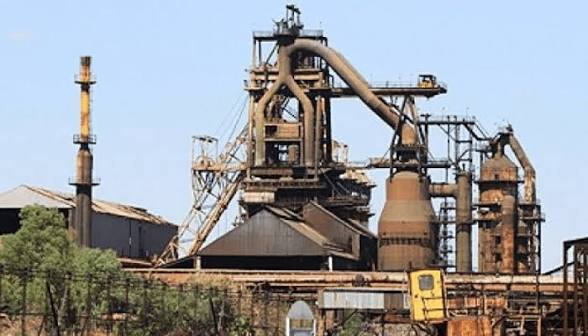
Construction officially began in 1979 with technical assistance from the former Soviet Union. The project was designed to be one of the largest steel complexes in Africa. At full capacity, it was expected to produce millions of tonnes of steel annually and create thousands of direct and indirect jobs. Entire communities developed around the project, with housing estates, roads, schools, and other infrastructure built to support workers and their families.
Despite substantial progress in construction, the plant never reached full commercial operation. Changes in government, policy inconsistencies, funding challenges, contractual disputes, and economic difficulties repeatedly slowed development. Over time, billions of dollars were invested in the project, yet the dream of a fully functioning steel industry remained elusive.
The importance of Ajaokuta goes far beyond steel production. Economists and industrial experts have long argued that a functional steel industry would stimulate manufacturing, engineering, transportation, defense production, and infrastructure development across Nigeria. It would reduce dependence on imported steel products and strengthen the nation's industrial capacity.
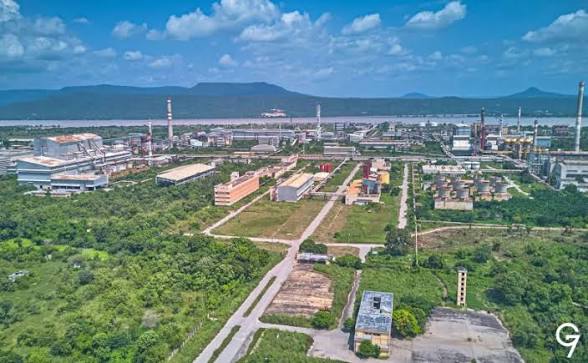
The company is also closely linked with the nearby National Iron Ore Mining Company, which was
established to supply iron ore to the steel plant. Together, the two projects were envisioned as the backbone of Nigeria's heavy industrial sector. Their success was expected to trigger the growth of numerous downstream industries and create opportunities for generations of engineers, technicians, and entrepreneurs.
Over the years, several administrations have announced plans to revive the steel complex. These efforts have kept public interest alive, as many Nigerians continue to see Ajaokuta as a sleeping giant capable of transforming the country's economic future. The project remains one of the most discussed industrial ventures in Nigeria's history, representing both a lesson in the challenges of national development and a reminder of what remains possible.

Today, Ajaokuta stands as a monument to ambition. Its vast structures rise above the landscape as evidence of a dream that has not completely faded. Though decades have passed since construction began, many still believe that the furnaces of Ajaokuta can one day roar to life, forging not only steel but also a new chapter in Nigeria's industrial story.
© 2026 Ikeun Divine Michael | TalkAfricang.com


Comments (0)
Leave a Comment