
In the heart of Nigeria’s industrial dream stood a giant called ANAMMCO — the Anambra Motor Manufacturing Company. Established in 1977 during the era when Nigeria aggressively pursued local industrialization, ANAMMCO became one of the strongest symbols of indigenous manufacturing and technological ambition in post-civil war Nigeria. Situated in Emene, Enugu State, the company was born from a partnership between the Nigerian government and the German automotive manufacturer Mercedes-Benz.
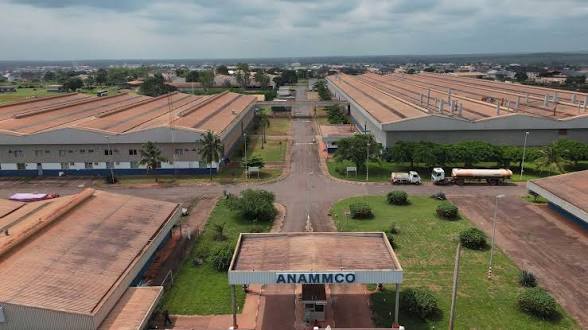
At a time when Nigeria sought to reduce dependence on imported vehicles, ANAMMCO represented hope. The vision was simple but powerful: Nigerians would no longer merely consume foreign machines; they would assemble, maintain, and eventually manufacture vehicles locally. This was not just an economic decision. It was a declaration of national confidence.
The company initially focused on assembling Mercedes-Benz trucks, buses, and utility vehicles. Over time, ANAMMCO became known across West Africa for producing durable commercial vehicles suited to African roads and realities. The famous ANAMMCO trucks became familiar sights on Nigerian highways, carrying cement, food, fuel, timber, and the weight of a growing nation’s economy.
For many Nigerians of the 1980s and 1990s, ANAMMCO symbolized employment, technical training, and industrial pride. Thousands of workers, engineers, mechanics, and apprentices passed through its gates. Young Nigerians learned welding, assembly, mechanical systems, and industrial discipline within its workshops. It helped nurture a generation that believed Nigeria could stand shoulder to shoulder with industrial nations.
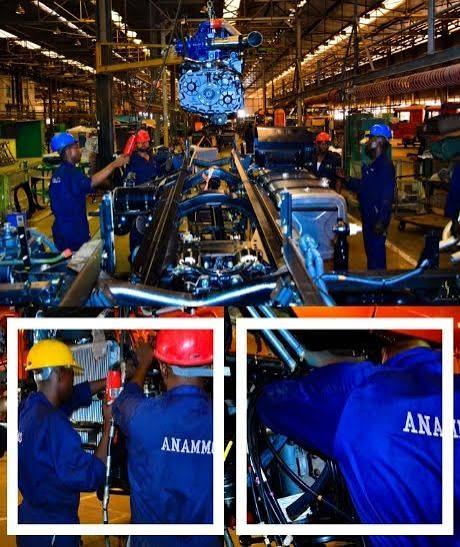
Yet like many ambitious Nigerian industries, ANAMMCO faced difficult storms. Economic instability, inconsistent government policies, poor infrastructure, import dependency, currency fluctuations, and the flood of cheaper imported vehicles gradually weakened local manufacturing. Structural Adjustment policies in the 1980s also altered the economic environment, making industrial survival harder for many local companies.
Despite these challenges, ANAMMCO refused to disappear completely. The company adapted, restructuring operations and continuing vehicle assembly in partnership with newer automotive interests. Though its glory years may seem distant, its legacy still echoes in Nigeria’s industrial history. It remains one of the few enduring reminders that Nigeria once pursued large-scale manufacturing with seriousness and courage.
Beyond economics, ANAMMCO holds emotional significance in Nigerian memory. It belonged to an era when factories were monuments of national aspiration. The sound of machines in Emene was more than industrial noise; it was the sound of a country attempting to build its own future with steel, sweat, and vision.
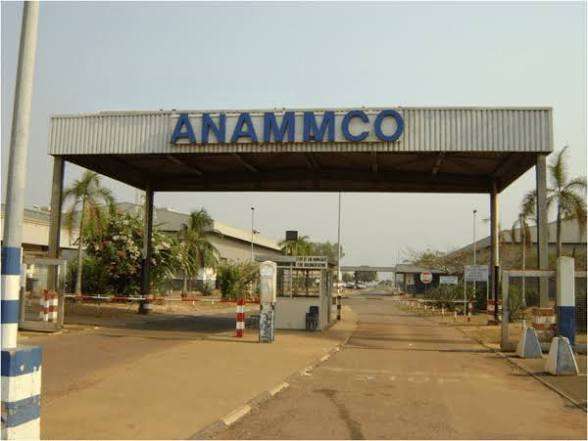
Today, conversations about reviving local manufacturing often return to ANAMMCO as both a lesson and a symbol. Its story raises difficult questions about sustainability, governance, and national priorities. But it also preserves an important truth: Nigeria has dreamed industrial dreams before, and those dreams were once alive enough to roll across African roads on six heavy wheels.
Some factories produce machines. ANAMMCO produced belief. Even now, beneath the dust of old assembly lines and fading signboards, the spirit of Nigerian industrial ambition still lingers there — stubborn, wounded, but not entirely silent.
© 2026 Ikeun Divine Michael | TalkAfricang.com



Comments (0)
Leave a Comment