
Namibia is a country located in southern Africa. It is known for its vast deserts, breathtaking landscapes, and rich cultural diversity. Namibia is home to several ethnic groups, each with unique traditions and ways of life. Among these ethnic groups are the Himba people, renowned for their distinctive beauty, culture, traditional lifestyles, and deep connection to their roots.
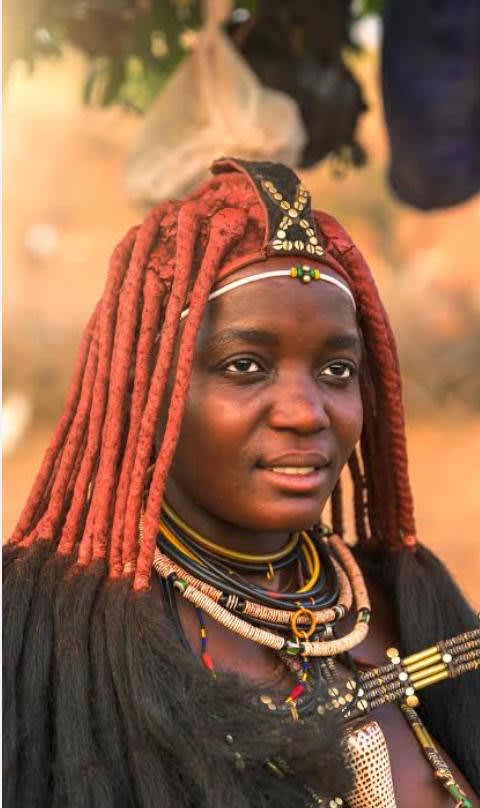
The Himba women are known for their striking red appearance and distinctive hairstyles. The red colour comes from a traditional mixture known as Otjize, made from butterfat and red ochre, a natural reddish mineral. The paste is applied to the skin and hair.
For the Himba, Otjize enhances beauty and helps protect the skin from the harsh desert climate, including intense sunlight and dry weather conditions. It may be seen as simple makeup but isactually a combination of beauty, tradition, and practicality.
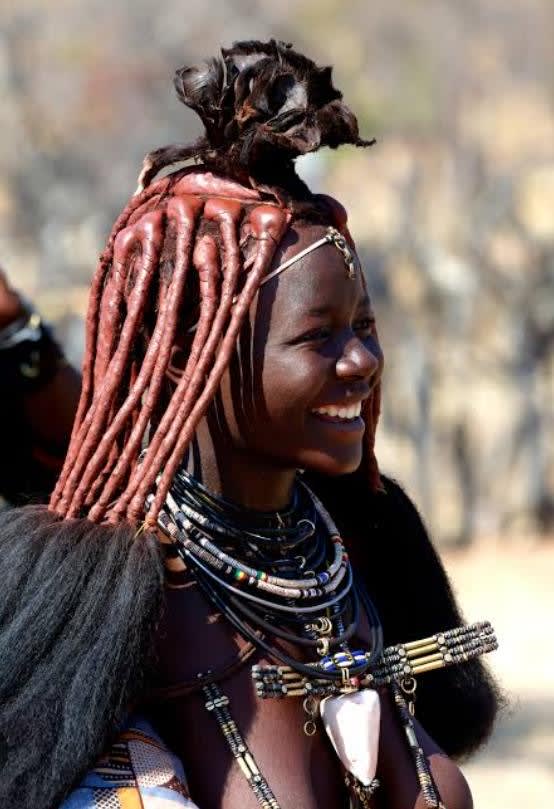
Another beautiful aspect of Himba culture is their hairstyles. Hair is not merely a fashion accessory, it serves as a form of communication. Different hairstyles can indicate a person's age, stage of life, or marital status. Young girls often wear their hair differently from married women, making hairstyles an important part of cultural identity.
The Himba are traditionally pastoral people, and cattle play a significant role in their lives. Cattle represent wealth, status, and family heritage. This close connection to livestock is reflected in many aspects of their culture, including their clothing, ornaments, and daily life. The Himba people also have attire that is often made from animal skins and decorated with beads, shells, and metal ornaments. These adornments add beauty while preserving cultural heritage passed down through generations.
Today, the Himba people continue to balance tradition with modern life. While many young people attend school and engage with the wider world, many families still preserve customs that have been practiced for generations. Their ability to maintain their cultural identity in a rapidly changing world is both admirable and inspiring.
The story of the Himba women reminds us that beauty is not defined by trends alone. Across Africa, beauty often carries deeper meanings connected to history, community, environment, and identity. For the Himba people of Namibia, the famous red glow is not simply about appearance; it is a celebration of heritage, resilience, and cultural pride.
As the world becomes increasingly interconnected, cultures such as that of the Himba offer valuable lessons about preserving tradition while embracing change.
The Himba people stand out elegantly, and we celebrate them for that.
©2026 ESTHER OJOMA SULE | TALK AFRICA NG.COM



Comments (0)
Leave a Comment