
Every origin story has a room. For Dr. Nizar Chaari, it was a small studio at Radio Sfax in Tunisia, where he began his media career in 1993. He was a young broadcaster with a microphone and a growing understanding of the power of listening, conversation and giving people a voice. He did not know it then, but that studio would become the starting point for a journey that would eventually take him from Tunisian broadcasting into youth leadership across Africa.
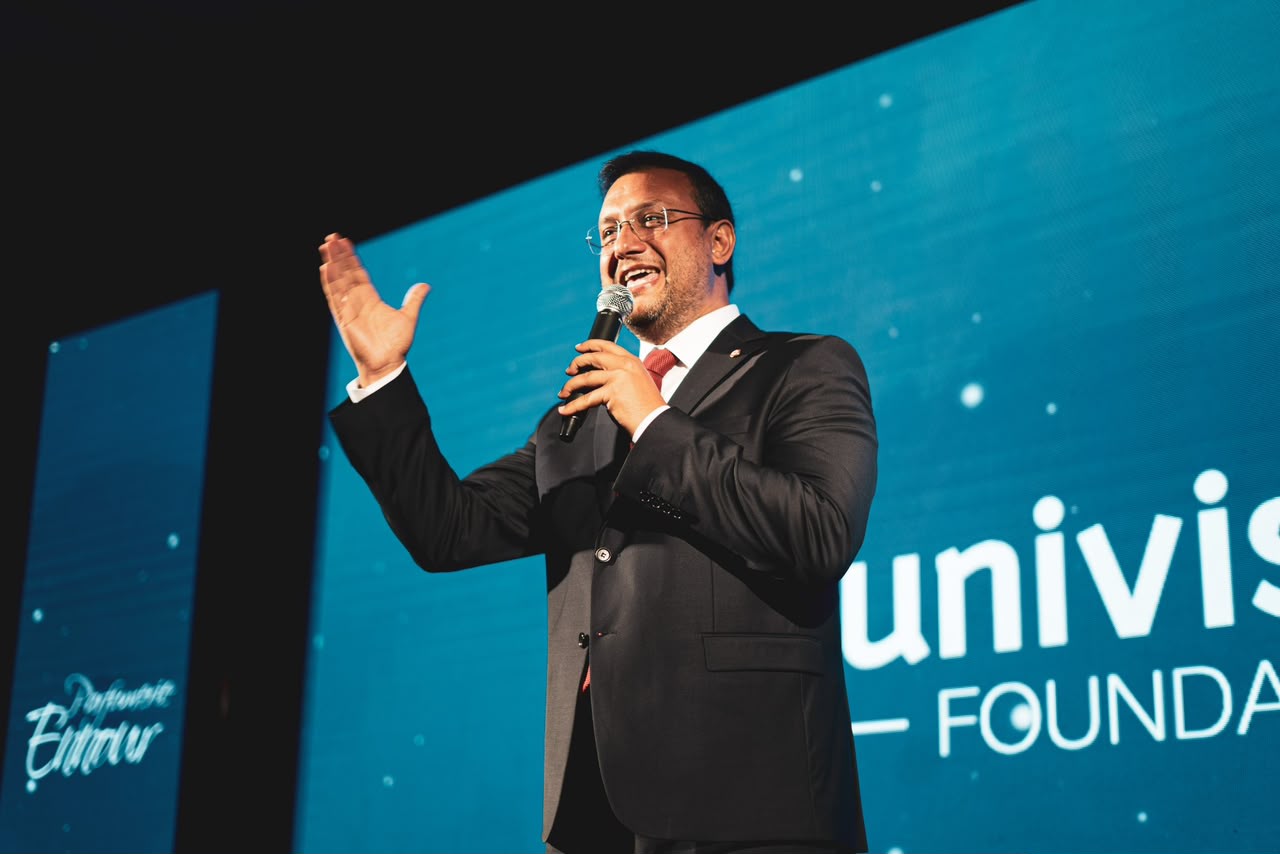
Over the next two decades, Chaari became one of the recognisable voices in Tunisian media, presenting on Mosaïque FM, hosting programmes on Tunisie 7 and interviewing notable figures in Arab arts and film. But visibility was never the end goal. He saw media as a tool for influence and community building.
Following Tunisia's 2011 revolution, Chaari channelled his experience in media and communication into youth development. He founded the Tunivisions Foundation, a leadership platform created within universities to give young people practical experience in organising projects, fundraising and taking responsibility. Rather than simply teaching leadership in theory, the initiative allowed students to practise it. Within a few years, it had grown to more than 450 clubs across Tunisian campuses.
That became the blueprint for something much bigger.
In January 2025, Chaari and his co-founder, Mahmoud Cherkaoui, launched EPIK Leaders, a pan-African youth leadership movement built on the belief that Africa's challenge is not a lack of resources, energy or ambition, but the need for stronger ecosystems that can turn that potential into organised and accountable leadership.
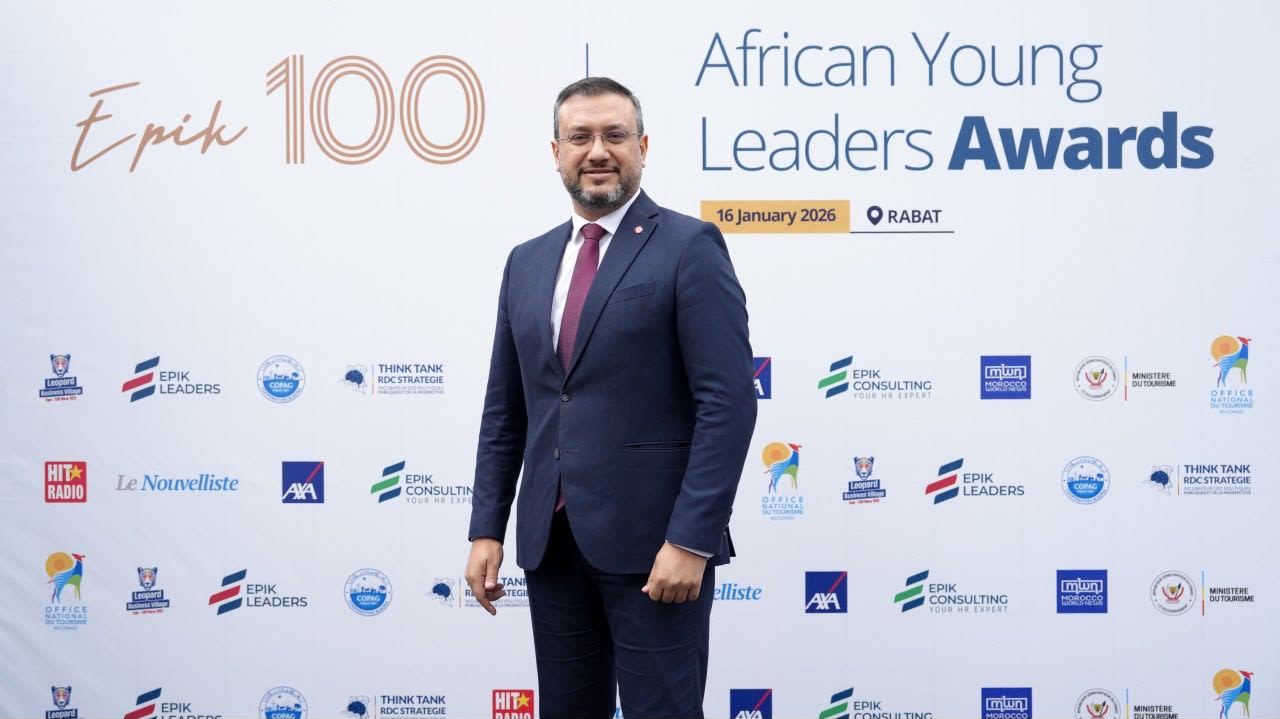
In less than two years, EPIK Leaders has established 100 clubs across Moroccan universities, stretching from Casablanca and Rabat to Agadir and Oujda, with new clubs expanding into Tunisia and Mali. Through EPIK 100, the network has also recognised young leaders for their track records and impact, building a community of ambassadors across 34 African countries.
The work goes beyond numbers. EPIK clubs have organised tree-planting campaigns, blood donation drives, citizenship initiatives and programmes focused on women's leadership. They have also provided training in communication, project management, emotional intelligence and fundraising, equipping young people with practical skills for leadership.
The movement has increasingly become a platform for continental conversations. In November 2025, Rabat hosted the first Arab-African Summit on Non-Profit Financing, bringing together stakeholders from Arab and sub-Saharan Africa to address challenges facing civil society. In April 2026, EPIK Leaders partnered with EMSI in Casablanca for the "AI for Impact" forum, exploring how African NGOs can adapt to the age of artificial intelligence.
The network also brought together about 1,500 young Africans from across the Maghreb and beyond for a youth summit focused on the continent's future. At the second edition of Africa Future Leaders Day in Dakhla, EPIK Leaders launched its first collective book, L'Éveil des Sentinelles or The Awakening of the Sentinels, written by members of the network.
At the heart of Chaari's work is a distinctly African approach to leadership. EPIK Leaders is not designed as an outside organisation arriving with solutions for Africa. It is built around South-South cooperation and the idea that Africans can create the structures needed to develop their own communities. Its model rests on three pillars: training, connecting and mobilising young people.

That vision aligns with the African Union's Agenda 2063, but Chaari's focus is on the people who will have to turn that vision into reality. The young Africans moving through EPIK's network are being prepared not only to participate in existing institutions, but to eventually build companies, NGOs, ministries, citizen coalitions and other platforms of their own.
From a small radio studio in Sfax to a youth network spanning 34 African countries, Chaari's journey shows how a microphone can become more than a tool for broadcasting. It can become a platform for connecting people, developing leaders and starting conversations that travel far beyond the studio.
His work now sits at the intersection of media, leadership and youth development, with a growing network of young Africans being given something every generation needs: the opportunity, the skills and the confidence to shape what comes next.


Comments (0)
Leave a Comment