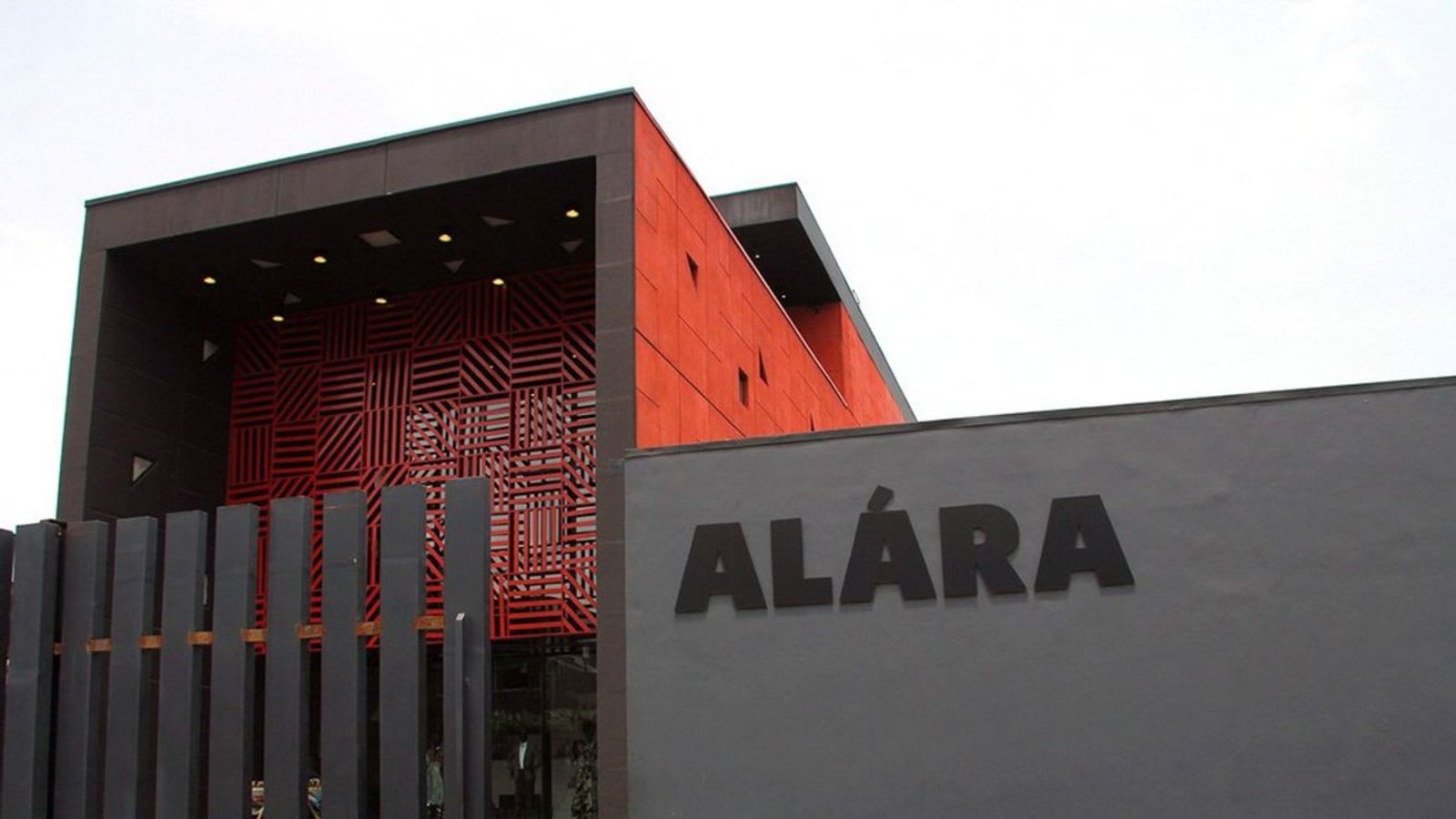
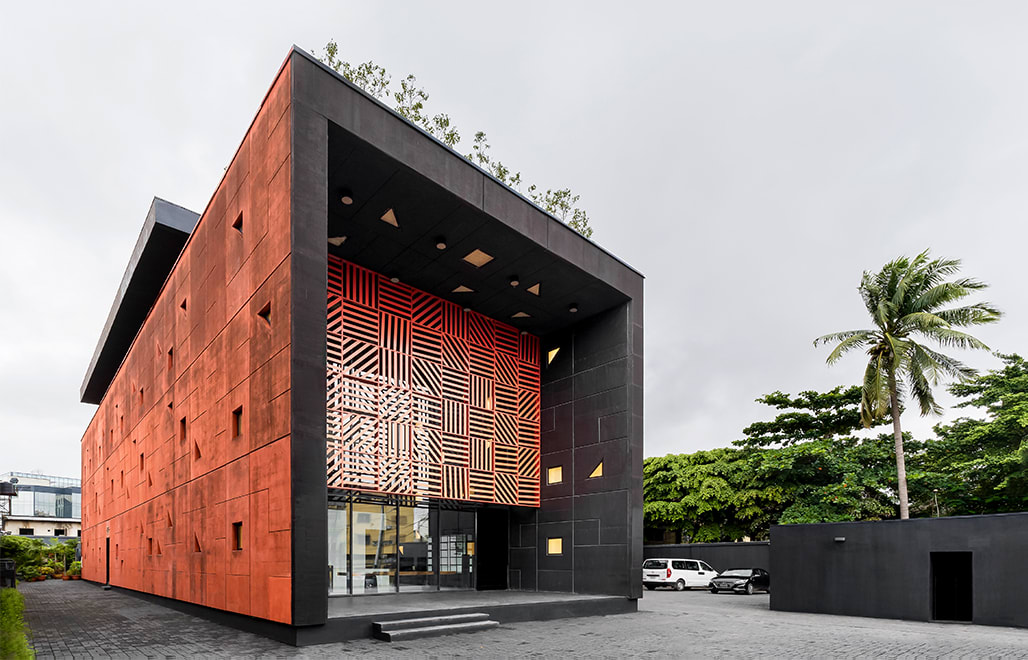
In the heart of Victoria Island, Lagos, a striking building rises; bold, sculptural, and impossible to ignore. This is ALÁRA (meaning "wondrous performer" in Yoruba), the brainchild of Reni Folawiyo, and since its founding in 2015, it has quietly (and sometimes loudly) redefined what luxury means in Africa.
But ALÁRA is not just a store. It is an experience.
The building itself is a work of art, the latticework was also inspired by the Yoruba Adire textile. Designed by renowned British-Ghanaian architect David Adjaye, ALÁRA’s architecture is as expressive as the pieces it houses. Inside, the space unfolds like a journey. As described by Faridah Folawiyo, the structure invites movement, its flowing staircases connecting each level seamlessly, guiding visitors through a narrative of creativity without boundaries. There are no abrupt separations here, only discovery. Step inside and you are immediately drawn into a world where fashion, art, and culture collide. Carefully curated pieces, from intricate textiles to avant-garde designs, tell stories of heritage reimagined for a global audience. Here, African craftsmanship is not simply preserved; it is elevated, reframed, and celebrated in its most contemporary form.
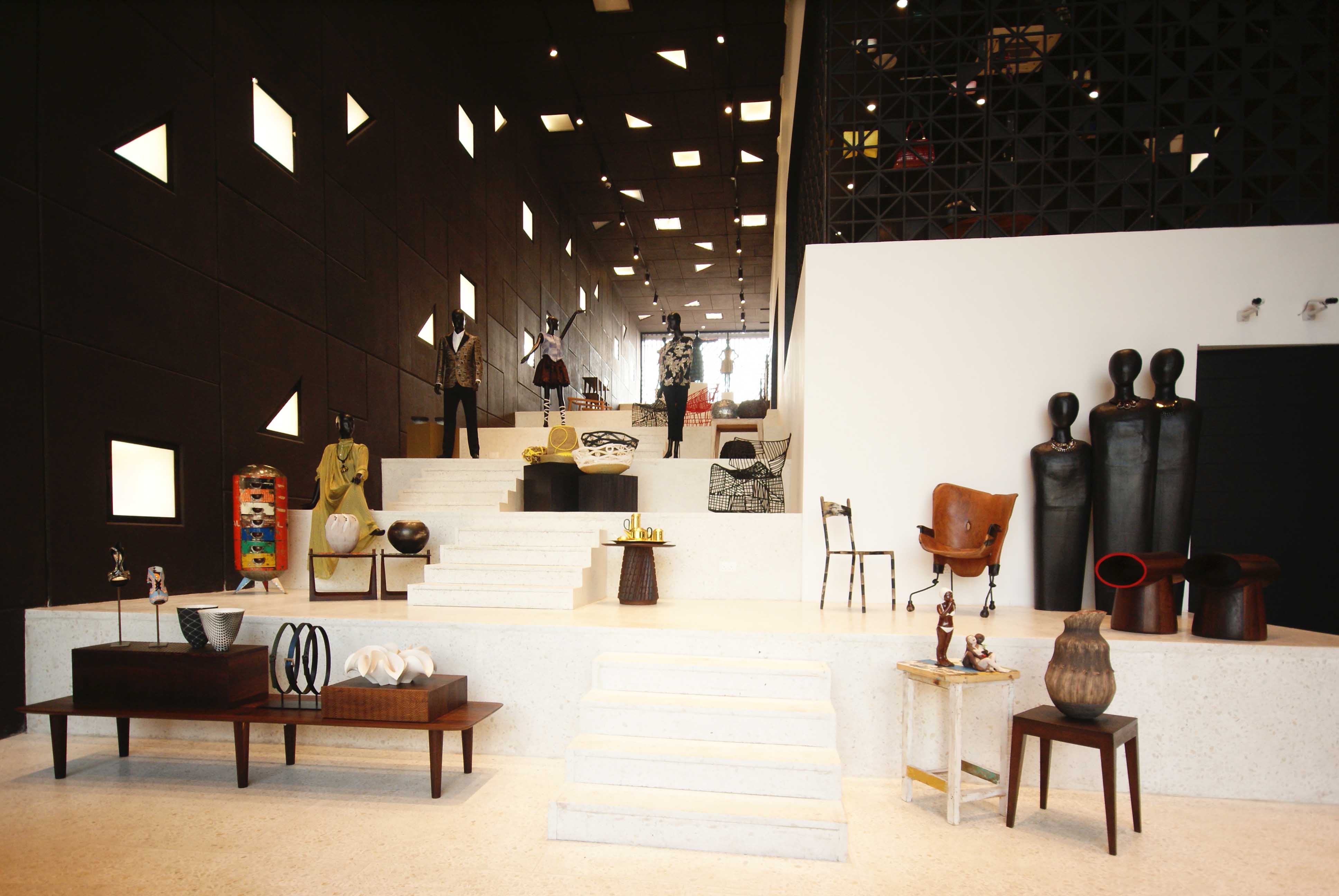
Beyond fashion, ALÁRA doubles as a cultural hub. Its gallery space regularly hosts exhibitions, spotlighting artists whose works challenge, inspire, and redefine African identity in the modern world.
And just when you think the experience ends, it deepens.
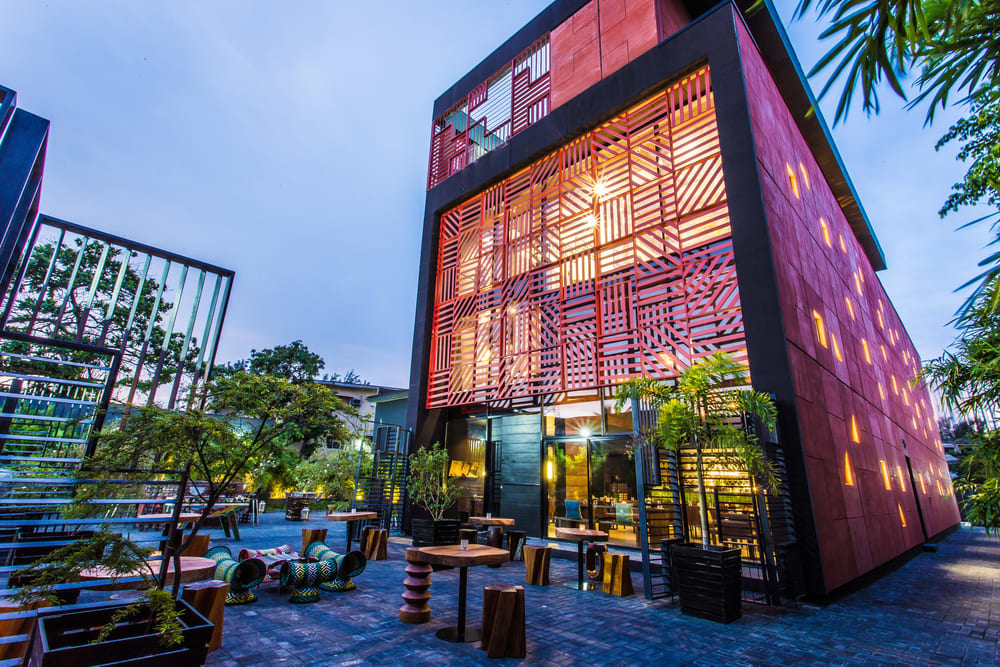
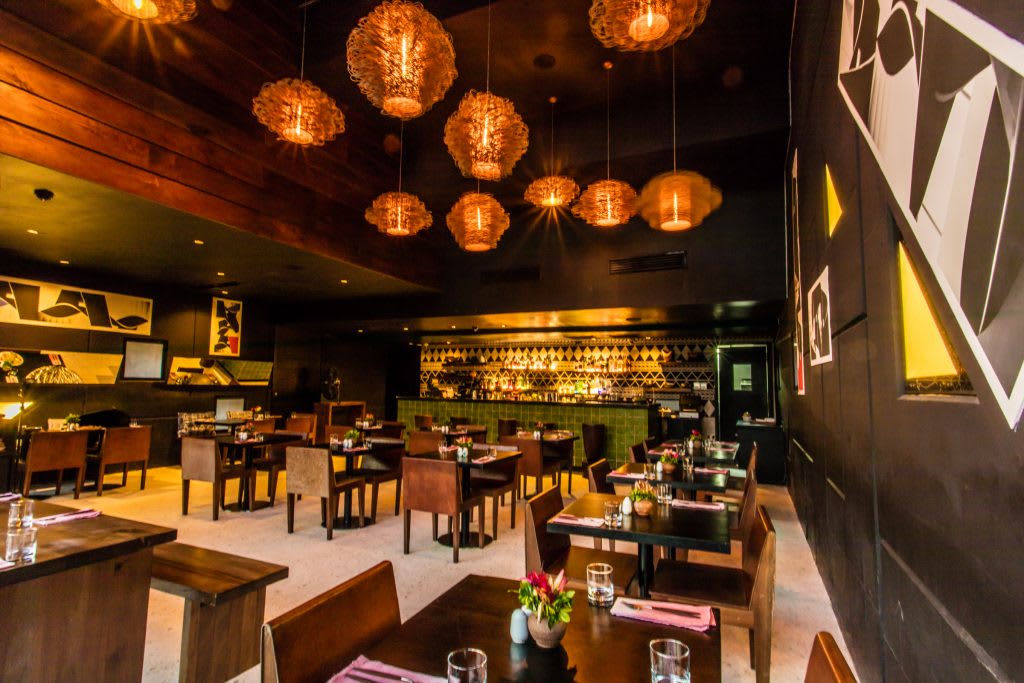
Enter NOK by Alàra, a contemporary Pan-African restaurant that brings the same bold philosophy to the table. Known for its inventive take on traditional dishes, NOK transforms familiar flavours into something entirely new. Its famed Amala sits comfortably alongside modern interpretations of African cuisine, giving diners' tate buds a "NOKOUT", while the NOK Garden offers a more relaxed, open-air grilling experience that blends food, atmosphere, and community.
ALÁRA is more than a destination, it is a statement. A statement that African creativity is expansive, luxurious, and unapologetically global. From its architecture to its curated collections and culinary artistry, ALÁRA doesn’t just showcase culture; it performs it; beautifully, boldly, and without compromise.
© 2026 Aisha Egena-Aruwa | TalkAfricang.com



Comments (0)
Leave a Comment