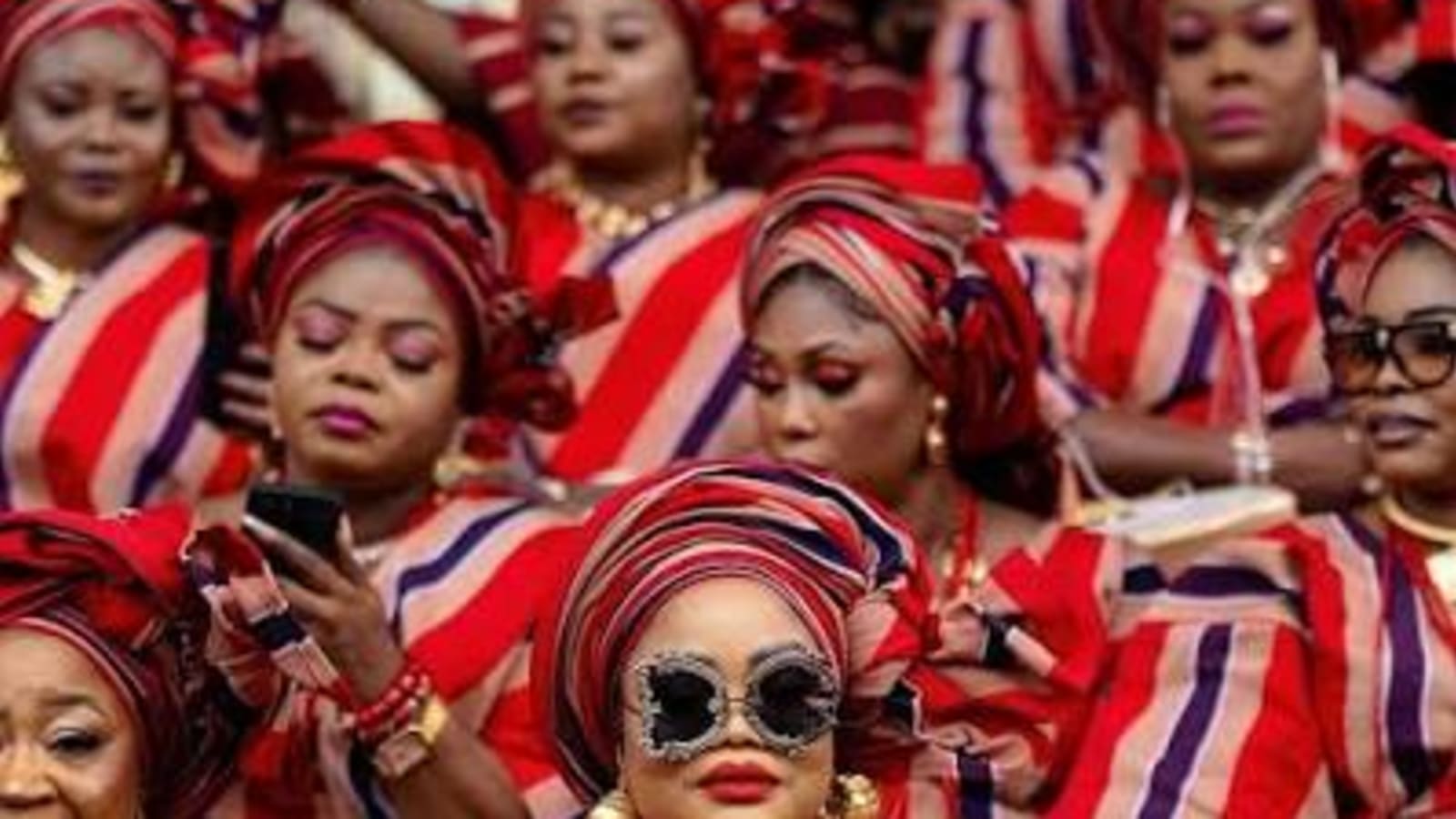
Every year, just a few days after Eid al-Adha, the town of Ijebu Ode plays host to one of Nigeria’s most recognized cultural events, the Ojude Oba Festival. The festival is organized by the indigenous Ijebu people and is open to visitors from across Nigeria and beyond, making it both a local and international attraction.
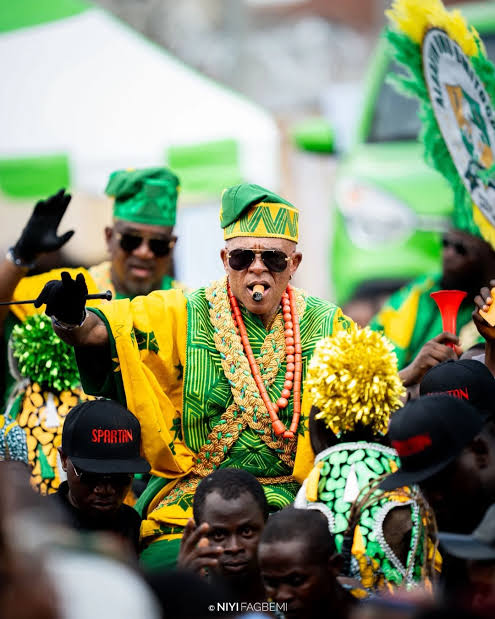
Ojude Oba, which means “the king’s forecourt,” is held in honor of the Awujale of Ijebuland, currently Oba Sikiru Kayode Adetona. It began in the late 19th century as a simple gathering of Muslim converts who came to pay homage to the king for allowing them to freely practice their religion. Over time, the festival has evolved into a major cultural showcase that highlights the traditions, unity, and social structure of the Ijebu people.
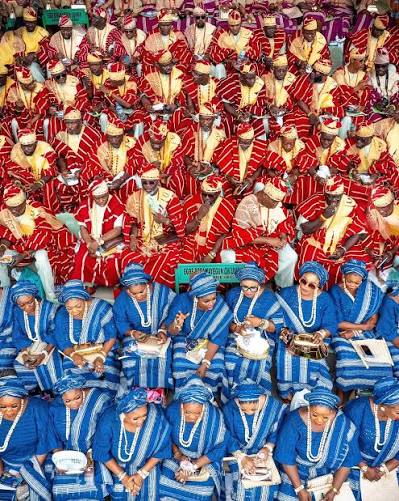
One of the key features of Ojude Oba is the participation of regberegbe (age-grade groups). These groups, made up of individuals within similar age brackets, appear in coordinated outfits and take turns to greet the king. Their presence reflects unity, social identity, and continuity across generations.
Another major highlight is the appearance of the Balogun families, who are descendants of ancient warrior lineages. They take part in horse riding displays, dressed in elaborate traditional regalia. This segment of the festival symbolizes strength, bravery, and the historical military heritage of Ijebuland.
Ojude Oba is also widely known for its fashion.
Participants wear traditional Yoruba attire such as aso-oke, lace, and agbada, often styled in vibrant colors and complemented with beads and accessories. Over the years, this aspect has contributed significantly to the festival’s visibility, especially on social media.
In recent times, Ojude Oba has
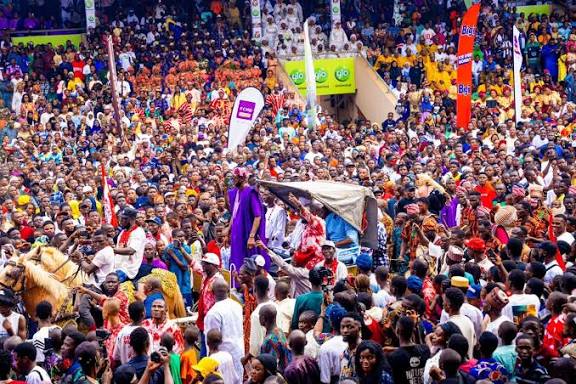
grown beyond a cultural gathering into a major national event. It gained wider global attention around 2020 as images and videos of the festival began to trend online, showcasing its rich cultural display to a broader audience. Today, it attracts tourists, cultural enthusiasts, and prominent personalities, including political figures, celebrities, and business leaders.
Corporate brands are also actively involved, sponsoring parts of the festival and using the platform for visibility. This has further elevated Ojude Oba into a well-organized and highly anticipated annual event in Nigeria’s cultural calendar.
In essence, Ojude Oba is a festival that combines tradition, social structure, fashion, and cultural pride. It continues to grow in relevance, serving as both a celebration of Ijebu heritage and a symbol of Nigeria’s cultural richness on the global stage.


Comments (0)
Leave a Comment