
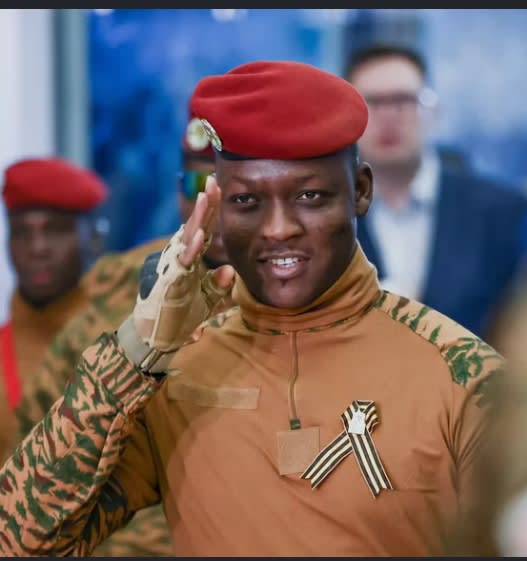
Burkina Faso’s military leader, Ibrahim Traoré, is once again dominating conversations across Africa after reports emerged that his government reduced the salaries of ministers and politicians while increasing workers’ pay.
The reports, which have gone viral on social media, claim that Traoré cut politicians’ salaries by 30% and raised workers’ salaries by 50%, a move many online users described as “a message to African leaders.”
Although some details circulating online remain debated, there is evidence that members of Traoré’s government previously agreed to salary reductions and financial contributions to support national efforts during Burkina Faso’s security and economic challenges.
Traoré himself also attracted international attention after reports stated that he rejected the large presidential salary attached to office and chose instead to keep his military captain’s salary after taking power in 2022.
That decision became one of the earliest moments that shaped his public image especially among young Africans who now view him as a symbol of discipline, sacrifice and anti-establishment leadership.
At just 37 years old, Ibrahim Traoré has become one of Africa’s most talked-about leaders.
Since seizing power in a coup, he has positioned himself as a strong advocate for African independence, local economic growth and reduced foreign influence. His speeches frequently go viral online, while supporters praise his focus on nationalism, agriculture and security reforms.
The latest salary reports have added even more momentum to his growing popularity online.
Across social media platforms, many Africans compared the alleged move to the high salaries and privileges often associated with political office in several countries. Others described it as the kind of leadership many citizens want to see during periods of economic hardship.
For supporters, the symbolism matters just as much as the policy itself.
At a time when inflation, unemployment and rising living costs continue to affect many African countries, the idea of political leaders reducing their own benefits while improving workers’ welfare has struck a powerful emotional chord online.
Critics, however, have urged caution over some viral claims, noting that several figures circulating online have not been officially confirmed by the Burkina Faso government.
Still, whether fully verified or not, one thing is clear: Ibrahim Traoré’s leadership style continues to command attention far beyond Burkina Faso.
From speeches to policy announcements, nearly every major development linked to him now quickly becomes part of a wider African conversation about leadership, accountability and the future many young Africans hope to see on the continent.
And once again, the discussions are no longer happening only inside Burkina Faso ,they are spreading across Africa.
© 2026 Aliu Azeema | TalkAfricang.com

Comments (0)
Leave a Comment