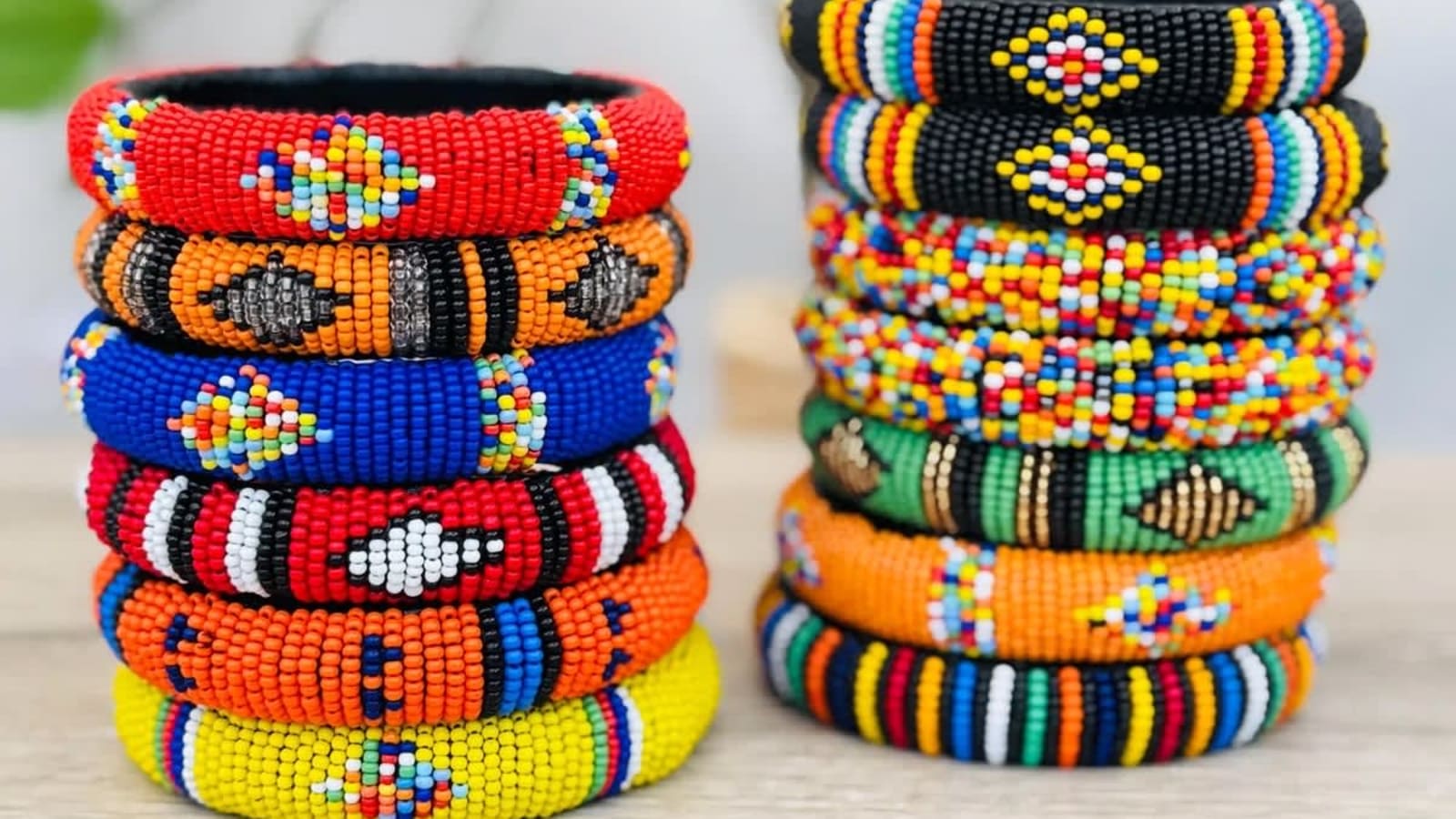
Beads are small, pierced decorative objects made of materials like glass, wood, stone or plastic and among the many cultural treasures of Africa, the beadwork of the Maasai people stands out as one of the most colorful and meaningful traditions on the continent. The Maasai People are mainly in Kenya and Tanzania, and are widely recognized for their rich culture, traditional clothing, and beautifully designed beads. Beyond beauty and fashion, Maasai beads carry deep meanings which is connected to identity, social status, culture, and tradition.
Traditionally, beadwork among the Maasai was made from natural materials such as clay, shells, wood, seeds, bones, and copper. However, with time and trade, glass beads became more common and allowed for more colorful and detailed designs. Today, Maasai beadwork includes necklaces, bracelets, earrings, belts, headbands, and decorative ornaments such as beaded slippers worn during ceremonies and daily activities.
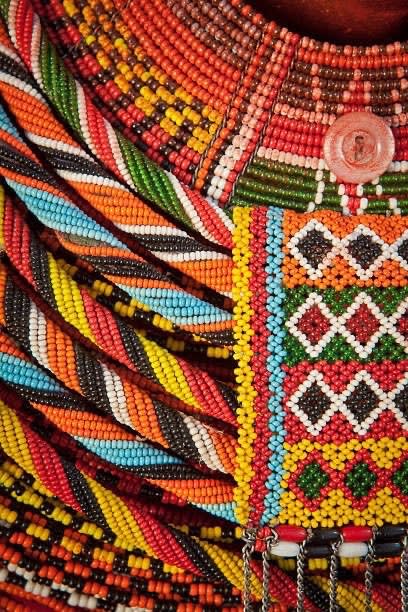
One of the most fascinating aspects of Maasai beads is the meaning attached to colours. Each colour represents a particular value or aspect of life in the Maasai community. Some of these colours includes red which symbolizes bravery, strength, and unity because cattle and warriors are highly valued in Maasai culture. Then white which represents peace, purity, and health, while blue symbolizes the sky and the source of rain that provides water for cattle. Green stands for land and prosperity, orange represents hospitality, and yellow symbolizes fertility and growth. We also talk about black on the other hand which reflects the struggles and hardships the people endure in life.
Beads also pass information about a person’s age, marital status, and position in the society. Young girls wear colourfulnecklaces and ornaments, while married women may wear larger and more complex bead designs during celebrations and ceremonies. Warriors, known for their courage and strength, also use beadwork as part of their traditional appearance. During weddings, dances, and festivals, bead jewelry is worn and used as a symbol of pride and identity.
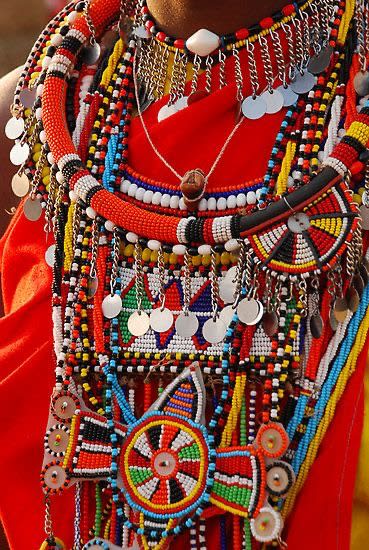
In modern times, Maasai beads have gone beyond traditional ceremonies and entered the global fashion industry. Many African designers now add beadwork into modern clothing, handbags, footwear, and accessories. Tourists and fashion lovers all over the world admire Maasai bead designs because of their uniqueness and cultural richness. Social media and online businesses have also helped local artisans gain international recognition for their craft.
The Maasai people continue to preserve their bead making traditions and pass them from one generation to another. Mothers teach their daughters the skill of beadwork from a young age, ensuring that the culture is preserved. This preservation of tradition shows how African communities can embrace modern trends without losing their cultural identity.
The Maasai beads are more than simple fashion accessories. They are symbols of history, communication, beauty, and cultural pride. Through colours and designs, the Maasai people tell stories about their lives, beliefs, and traditions. As African fashion continues to gain global attention, Maasai beadwork remains a powerful reminder of the continent’s creativity, heritage, and enduring cultural values. In Africa, you find beautiful, creative and amazing things and this is one of them.
©2026 Esther Ojoma Sule | Talk Africang.com



Comments (0)
Leave a Comment