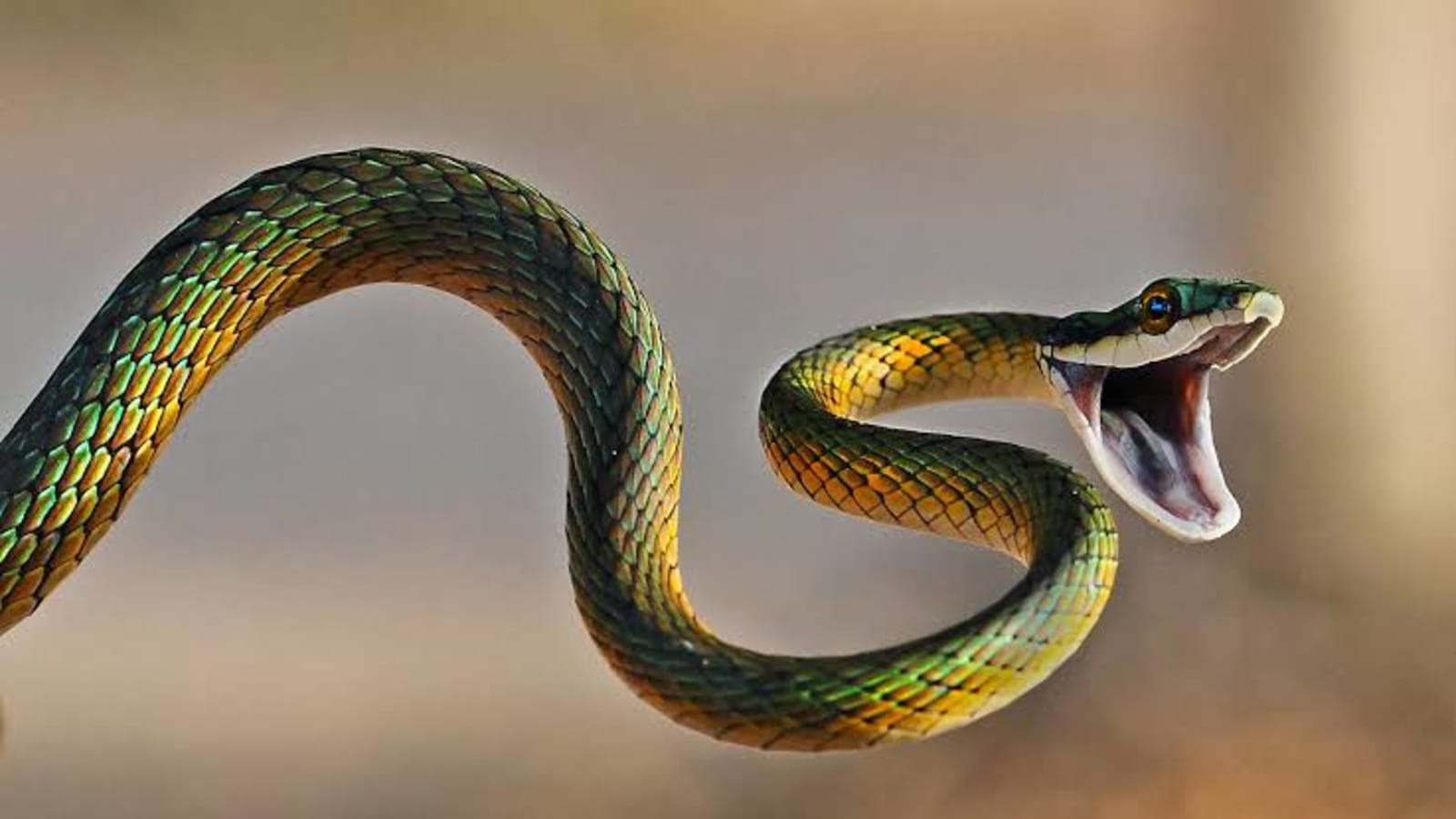
Snake bites are a serious medical emergency, especially in rural and farming communities. In countries like Nigeria, where encounters with snakes are more common, knowing what to do immediately after a bite can save a life.
 Many deaths from snake bites happen not because help isn’t available, but because of delayed treatment or harmful first aid practices. This guide explains the correct steps to take and what to avoid.
Why Snake Bites Are Dangerous
Some snakes are venomous. Their venom can:
● Destroy body tissues
● Affect blood clotting
● Damage nerves
● Cause breathing problems
● Lead to shock or death if untreated
The only proven treatment for venomous snake bites is antivenom, which is given in a hospital.
First Aid for Snake Bite: What To Do Immediately
1. Stay Calm
Panic increases heart rate, which helps venom spread faster through the bloodstream. Reassure the victim and keep them still.
2. Move Away from the Snake
Ensure the snake is no longer a threat. Do not attempt to kill or capture it.
3. Keep the Person Still
Movement spreads venom. Let the person lie down and rest.
4. Immobilize the Affected Limb
Keep the bitten limb below heart level.
Use a splint (stick and cloth) to prevent movement.
Avoid unnecessary walking.
5. Remove Tight Items
Remove rings, bangles, watches, or tight clothing before swelling begins.
6. Apply Pressure Immobilization (If Appropriate)
This method is especially useful for neurotoxic snake bites (such as cobra bites).
How to do it:
● Use a broad bandage.
● Wrap firmly around the bite area.
● Continue wrapping up the entire limb.
● The bandage should be tight but not stop blood flow.
● Splint the limb to prevent movement.
This method slows venom movement through the lymphatic system.
7. Get to a Hospital Immediately
Transport the person to the nearest hospital as quickly as possible. Antivenom is the only effective treatment for venomous snake bites.
What NOT To Do And Why
Many traditional or outdated first aid methods can actually make the situation worse. Here’s why they should never be practiced:
● Do NOT Cut the Wound
Cutting the bite site increases bleeding, especially because some snake venoms affect blood clotting. It also increases the risk of infection and further tissue damage.
● Do NOT Suck Out the Venom
Suction does not remove enough venom to make a difference. It can also introduce bacteria into the wound and harm the person trying to suck it out.
● Do NOT Apply a Tight Tourniquet
A tight tourniquet can completely stop blood flow, leading to tissue death, nerve damage, and possible amputation. When removed suddenly, it may also release a large amount of venom into circulation at once.
● Do NOT Apply Ice
Ice reduces blood flow to tissues and can worsen tissue damage caused by the venom.
● Do NOT Use Herbs or Traditional Mixtures
There is no scientific evidence that herbs neutralize snake venom. Delaying hospital treatment while trying traditional remedies increases the risk of complications and death.
● Do NOT Give Alcohol
Alcohol increases circulation and may spread venom faster. It can also worsen shock.
In summary, harmful practices either:
- Increase tissue damage
- Increase infection risk
- Delay life-saving treatment
- Cause additional complications
Warning Signs of Severe Envenomation
Seek urgent medical care if the person develops:
● Severe swelling and pain
● Bleeding from gums or urine
● Blurred vision
● Difficult breathing
● Weakness or paralysis
● Persistent vomiting
These signs indicate the venom is affecting vital body systems.
Final Thoughts
Snake bites are frightening, but the right first aid steps can make a life-saving difference. Stay calm, keep the person still, avoid harmful methods, and seek medical care immediately.
Correct knowledge saves lives. Share this information. Someone may need it one day.
© 2026 Ukachi Rejoice| TalkAfricang.com



Comments (0)
Leave a Comment