Umoja: The Kenyan Secret No Government Can Replicate

Umoja: The Kenyan Secret No Government Can Replicate

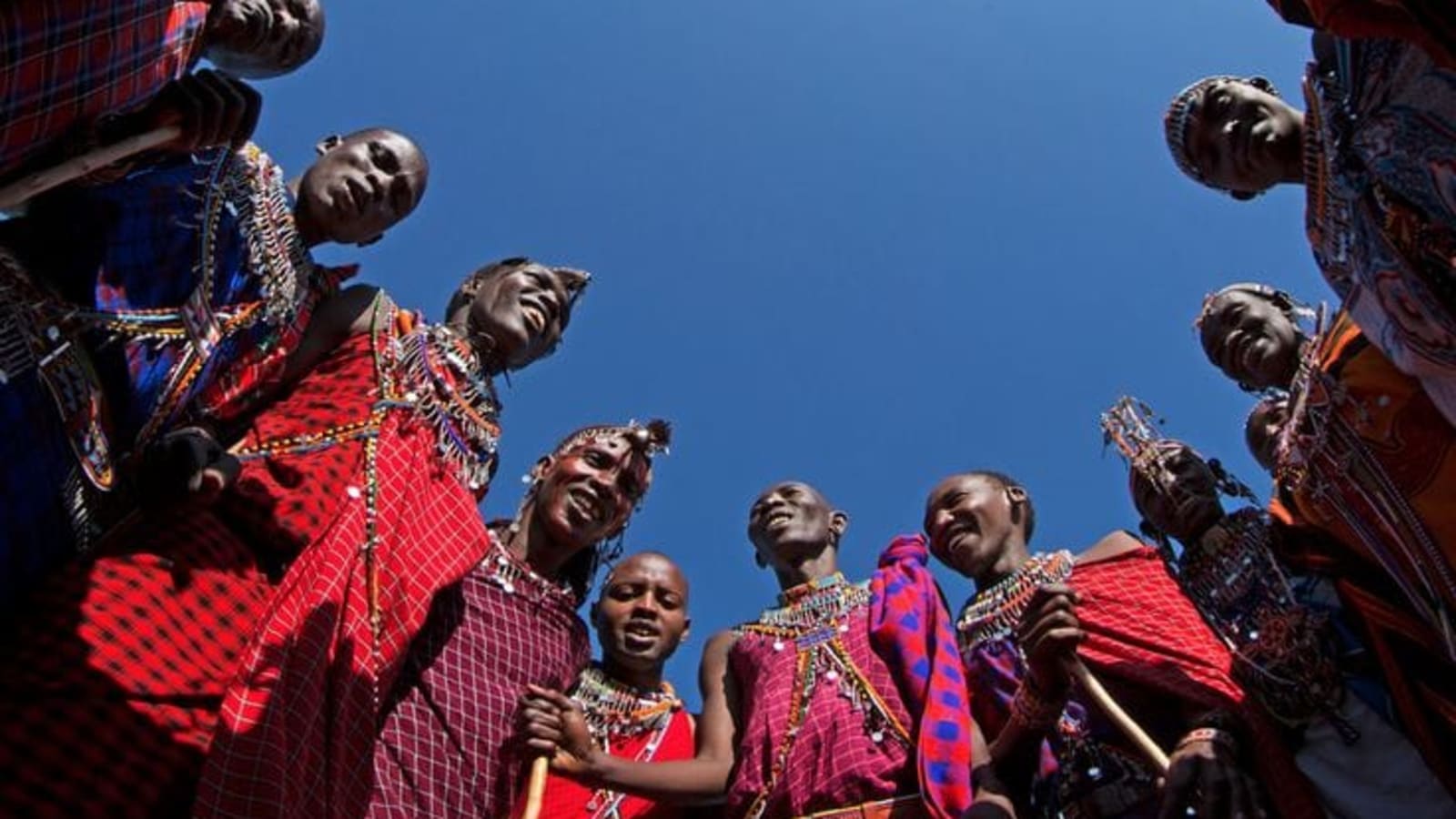
Kenyans hold one of the most remarkable personalities in the African cultural landscape. They believe in the power of community over the pull of transaction. Relationships come first, and decisions tend to follow what the community needs rather than what one person can gain. Bread gets broken together, literally and otherwise, and that habit shapes almost everything else about how life runs there.
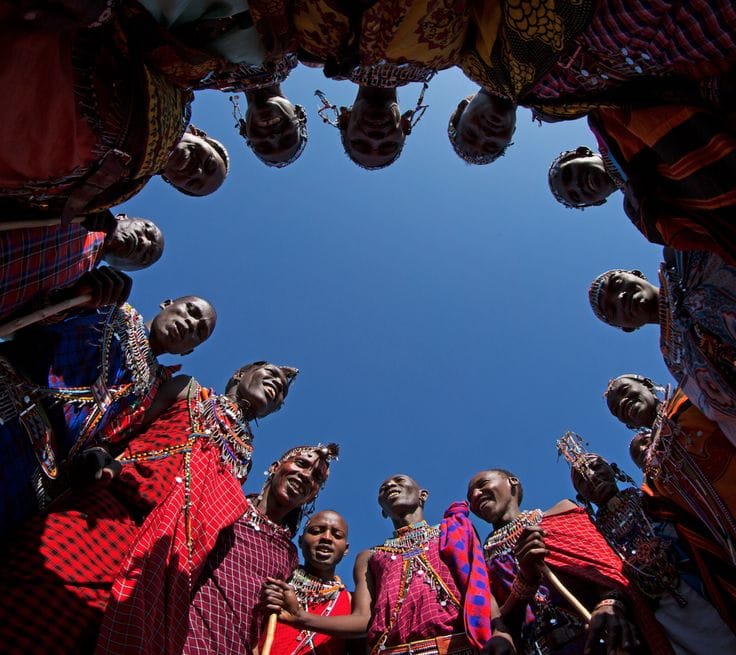
Community sits at the center of daily life in Kenya. It drives social support, local development, and national unity through a shared sense of responsibility. A few things stand out clearly when you look at how this plays out on the ground.

Social Support and Welfare

The Harambee tradition remains one of the clearest expressions of this. People pool their resources to cover school fees, medical bills, or wedding expenses, treating those costs as a shared burden rather than one family's problem to carry alone. Extended relatives and neighbors step in to help raise children and care for the elderly, functioning as a safety net that doesn't depend on formal institutions. Grief and celebration are handled the same way. Everyone nearby shows up, because both are treated as community events rather than private ones.

Local Development and Growth

Self-help groups have built roads, water points, and small businesses using nothing more than their own labor and pooled funds. Village health workers carry medical knowledge directly to families at the grassroots level, often reaching people that larger health systems miss. Communities also keep an eye on local public funds themselves, watching for waste or corruption before it can take root.

Unity and Peace

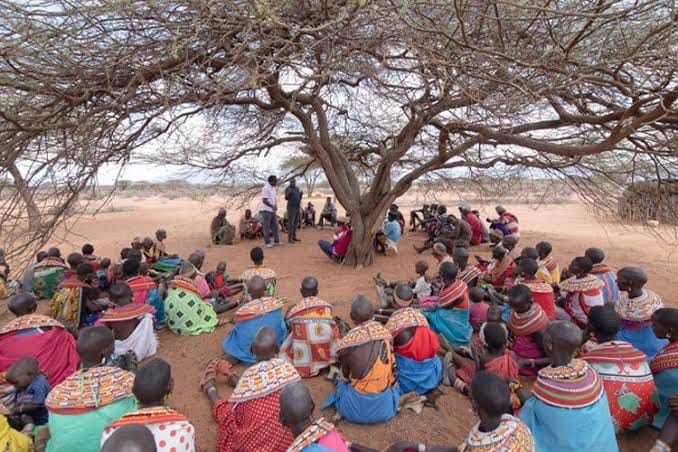
Working together this closely has a way of narrowing ethnic divides and building trust between groups that might otherwise stay apart. Local radio and regular community meetings help keep native languages and traditions alive, passing culture down without needing a formal curriculum to do it.
Swahili plays its own part in all of this. It doesn't just give Kenyans a way to identify themselves. It gives them a way to unite, a shared language that turns separate communities into one. Long before government structures existed, community already did. It remains the true heart of Kenya. As the Swahili proverb puts it, umoja ni nguvu, utengano ni udhaifu: unity is strength, division is weakness.

© 2026 Okon David Ekanem | TalkAfricang.com

Filed under: newsculture

Share this article

Keep Reading

More stories you might find interesting

Beyond the Big Three: The Rich Ethnic Diversity of Nigeria.
news

Beyond the Big Three: The Rich Ethnic Diversity of Nigeria.

Nigeria was reduced to three regions long before most of us were born: north, west, and east, each one attached to a dominant tribe: Hausa, Yoruba, and Igbo. That framing has stuck for generations, but it was never the full picture. Ethnologue records more than 500 languages spoken across Nigeria. Each one carries its own history, its own songs, and its own way of understanding the world. Only a handful of them ever get any real visibility. Say you're from the north, and people assume you're Hausa. Say you're from the southeast, and Igbo becomes your default identity. Say you're from the southwest, and Yoruba is what people expect. In reality, the north alone is home to dozens of distinct languages and cultures that rarely get mentioned outside their own communities. Shrinking that kind of depth into a single label isn't just inaccurate.

NIGERIA'S GLOBAL ACTING REVOLUTION
news

NIGERIA'S GLOBAL ACTING REVOLUTION

Lagos to los Angeles: Nigeria's Hollywood rise. Nigerians have become some of the fastest rising names in Hollywood in recent years, and that has nothing to do with population size or global popularity alone. Nigerians have always carried a certain dominance with them, wherever they land. Foreign soil, unfamiliar industries, rooms where no one expected them: the pattern repeats itself. Culture and tribe travel with us. There is a Yoruba proverb that says it is from home that we carry our name into the world, and that is exactly what shows up on screen. Excellence isn't a line in a pledge recited from memory. It is closer to instinct, something carried rather than performed.

DANGOTE ISN'T JUST BUILDING A COMPANY ANYMORE. HE'S BUILDING AFRICA'S ENERGY MAP.
news

DANGOTE ISN'T JUST BUILDING A COMPANY ANYMORE. HE'S BUILDING AFRICA'S ENERGY MAP.

Let's get the number out of the way first, because it deserves to sit there uncomfortably for a second: $46 billion. That's what Dangote Industries has committed to spend between 2026 and 2028 — not over a decade, not as an aspiration, but as a stated, three-year investment programme spanning refining, cement, and fertiliser. It's the kind of figure that usually belongs to a national budget, not a single privately-controlled African conglomerate. And it's on top of the $20 billion already sunk into the Lagos refinery alone.

Comments (0)

Leave a Comment

0/1000
Loading comments...