
Uterine fibroids are one of the most common conditions affecting women of reproductive age. While they are non-cancerous (benign), they can sometimes cause discomfort, heavy bleeding, and reproductive challenges.
What Are Uterine Fibroids?
Fibroids, also called leiomyomas, are non-cancerous growths that develop in or around the uterus. They can be small like a seed or grow large enough to distort the shape of the uterus.
Some women may have fibroids without even knowing, while others experience clear symptoms.
Are Fibroids Common?
Yes, fibroids are very common.
About 40% to 80% of people with a uterus develop fibroids at some point
They are most common between ages 30 to 50 years
They are rare before menstruation begins
They usually shrink after menopause
This is because fibroids are influenced by hormones like estrogen and progesterone.
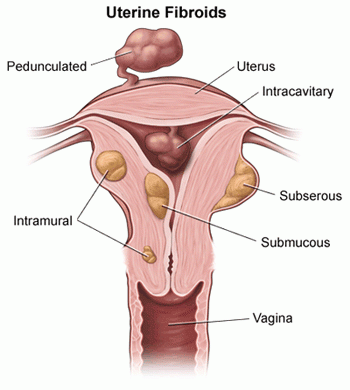
Types of Fibroids
Fibroids are classified based on their location:
1. Intramural Fibroids
Found within the muscular wall of the uterus
Most common type
Can cause heavy menstrual bleeding and enlarged uterus
2. Submucosal Fibroids
Grow under the inner lining of the uterus
Extend into the uterine cavity
Often cause heavy bleeding and fertility problems
3. Subserosal Fibroids
Grow on the outer surface of the uterus
Can become large and press on nearby organs
Cause pressure symptoms like frequent urination or constipation
4. Pedunculated Fibroids
Attached to the uterus by a stalk (stem)
Often described as mushroom-like
Can twist and cause sudden severe pain
Symptoms of Uterine Fibroids
Many small fibroids cause no symptoms, but larger ones may lead to:
1. Heavy or painful menstrual periods
2. Bleeding between periods (Metrorrhagia)
3. Bloating or fullness in the lower abdomen
4. Frequent urination (pressure on the bladder)
5. Pain during sex
6. Low back pain
7. Constipation or rectal pressure
8. Chronic vaginal discharge
9. Difficulty emptying the bladder completely
10. Enlarged abdomen that may look like pregnancy
∆ Symptoms often reduce after menopause due to lower hormone levels.
What Does Fibroid Pain Feel Like?
Fibroid pain varies:
Some people feel nothing at all
Others experience:
- Dull pelvic pressure
- Sharp stabbing abdominal pain
- Back pain
- Pain during sexual intercourse
What Causes Fibroids?
The exact cause is not fully known, but hormones play a major role.
Estrogen and progesterone promote fibroid growth
Fibroids grow during high hormone periods (like pregnancy)
They shrink when hormones reduce (like after menopause)
Risk Factors
You are more likely to develop fibroids if you have:
- Family history of fibroids
- Obesity or high body mass index (BMI)
- Early menstruation (early puberty)
- No history of childbirth
- Late menopause
- Ethnic origin: African-American women has higher tendency to develop fibroids than other ethnicities .
Complications of Fibroids
Most fibroids are harmless, but in some cases they may lead to:
- Severe or unmanageable pain
- Heavy bleeding
- Abdominal or pelvic swelling
- Anemia (due to blood loss)
- Rarely, infertility
Can Fibroids Cause Anemia?
Yes. Heavy or prolonged bleeding can reduce red blood cells, leading to anemia.
Symptoms include:
- Weakness
- Fatigue
- Dizziness
Diagnosis of Fibroids
Fibroids can be detected using:
✓Pelvic examination
✓Ultrasound scan (most common)
✓MRI scan
✓CT scan
✓Hysteroscopy
✓Laparoscopy
✓Hysterosalpingography
✓Sonohysterography
These tests help determine size, number, and location.
Treatment of Fibroids
Treatment depends on symptoms, size, and future pregnancy plans.
1. Medications
✓ Pain relievers (ibuprofen, paracetamol)
✓ Iron supplements (for anemia)
✓ Birth control (to control bleeding)
✓ Hormonal therapy (to shrink fibroids temporarily)
2. Surgical Treatment
✓ Myomectomy – removal of fibroids only (fertility preserved)
✓ Hysterectomy – removal of uterus (permanent cure)
3. Other Procedures
✓ Uterine artery embolization (blocks blood supply to fibroids)
✓ Radiofrequency ablation (shrinks fibroids using heat energy)
Prevention of Fibroids
Fibroids cannot be completely prevented, but risk can be reduced by:
- Maintaining a healthy weight
- Eating a balanced diet
- Regular physical exercise
- Managing hormones and reproductive health
- Going for regular pelvic check-ups
- Early detection through routine medical visits
When to See a Doctor
Seek medical help if you notice:
✓ Heavy or irregular menstrual bleeding
✓ Pelvic pain or pressure
✓ Bleeding between periods (Metrorrhagia)
✓ Difficulty urinating
✓ Enlarged abdomen
Conclusion
Uterine fibroids are very common, non-cancerous growths that affect many women, especially during reproductive years. While they may not always cause symptoms, some cases can significantly affect quality of life.
The good news is that fibroids are manageable, treatable, and often harmless when monitored properly.
Early awareness is key to better reproductive health.
© 2026 Ukachi Rejoice| TalkAfricang.com



Comments (0)
Leave a Comment