
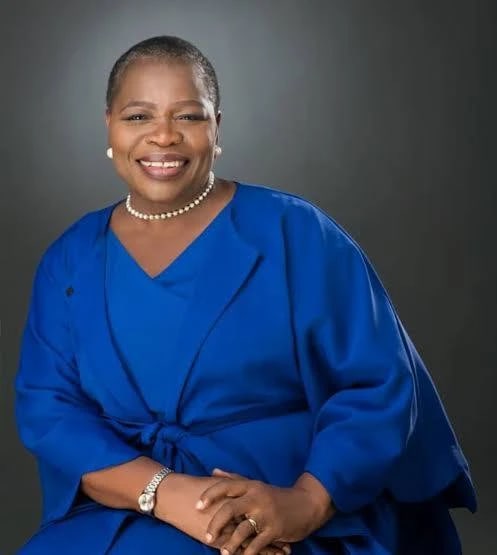
As conversations around state police continue to gain momentum in Nigeria, former Minister of Education, Oby Ezekwesili, has warned that creating state police alone will not solve the country's security challenges.
Speaking on the ongoing debate about policing reforms, Ezekwesili argued that insecurity in Nigeria goes far beyond the structure of the police force. According to her, the country's problems are rooted in deeper governance and structural issues that require comprehensive reforms rather than a single policy solution.
Her comments come at a time when many Nigerians are calling for state police as a way to tackle growing concerns over banditry, kidnapping, terrorism, and other forms of insecurity affecting different parts of the country. Supporters believe state-controlled police forces would be closer to the people, understand local communities better, and respond more quickly to security threats.
However, Ezekwesili believes the issue is not that simple.
She maintained that while state police may have some advantages, it would be unrealistic to expect the initiative to automatically end insecurity. In her view, Nigeria's challenges are tied to the way the country is structured and governed, making broader reforms necessary.
According to her, what Nigeria needs is a restructuring that gives more powers and responsibilities to states while improving accountability and governance at all levels. Without addressing those fundamental issues, she warned, insecurity may continue despite changes in policing arrangements.
The debate over state police has remained one of the most controversial topics in Nigeria's political space. While some see it as a long-overdue solution, others worry that it could be abused by state governments for political purposes or become difficult for financially struggling states to sustain.
Ezekwesili's position adds another perspective to the discussion. Rather than focusing solely on who controls the police, she is urging Nigerians and policymakers to look at the bigger picture.
As the country continues to search for solutions to its security crisis, her message is clear: state police may be part of the answer, but it is not the answer on its own.
For many observers, the real question is no longer whether reforms are needed, but whether Nigeria is willing to undertake the deeper changes required to address the root causes of insecurity.
© 2026 Aliu Azeema |
TalkAfricang.com


Comments (0)
Leave a Comment