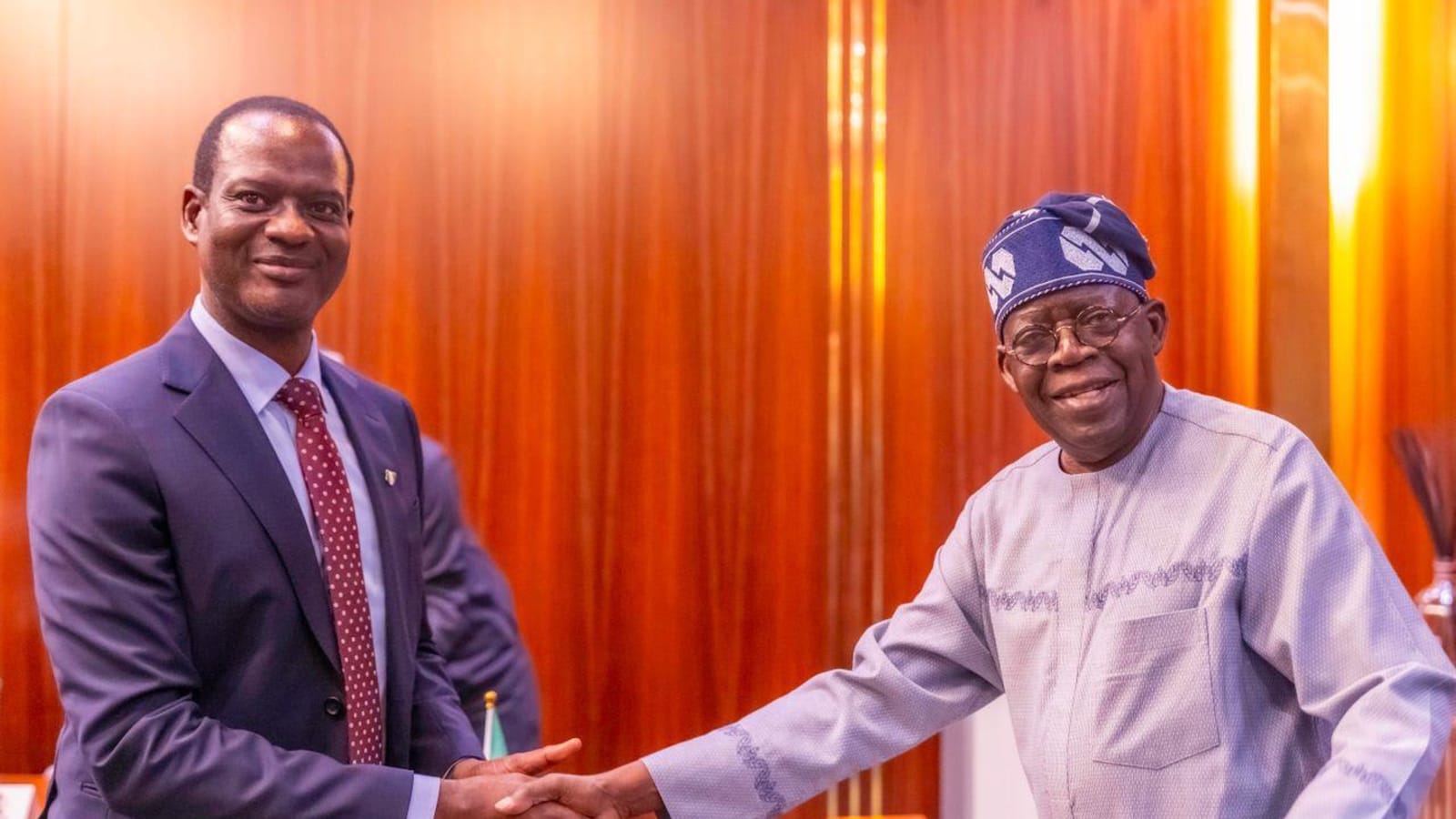
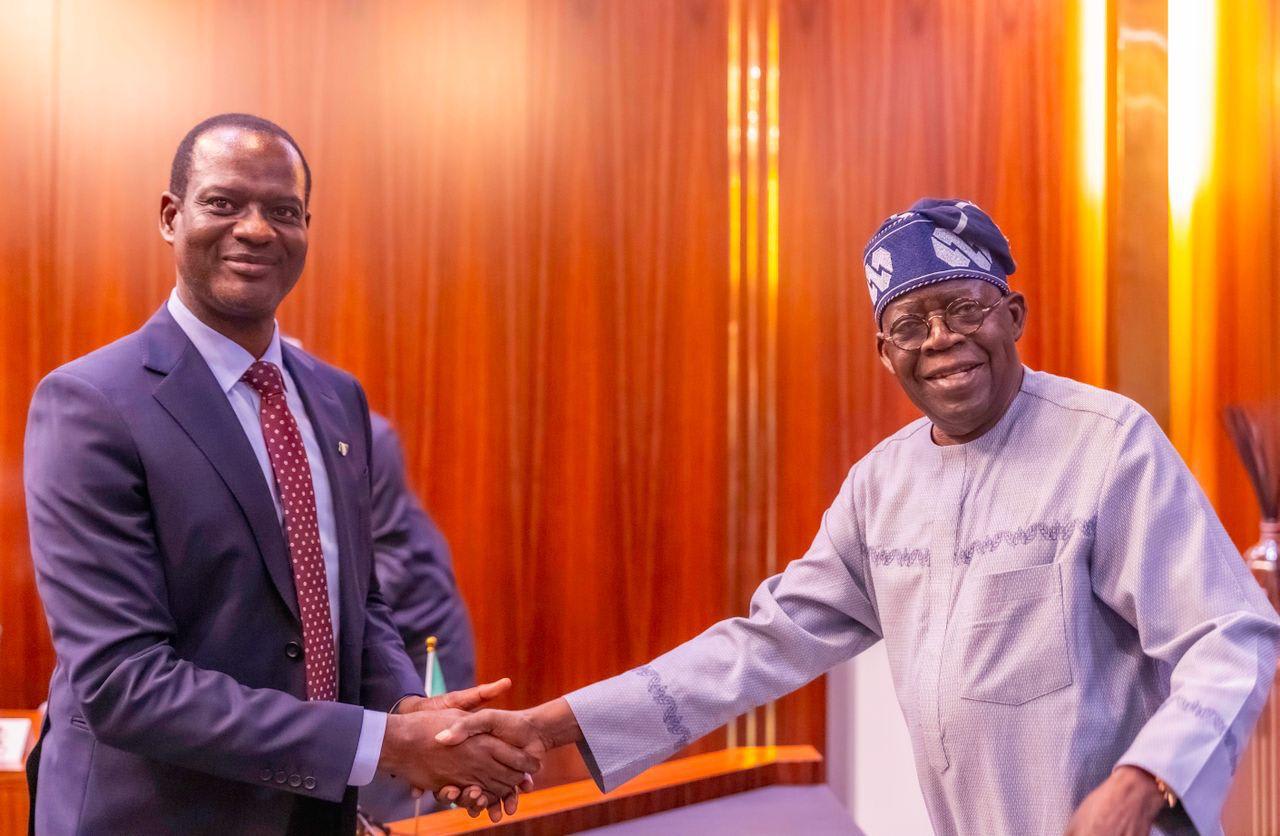
Chairman of the Presidential Committee on Fiscal Policy and Tax Reforms, Taiwo Oyedele, has dismissed claims that President Bola Ahmed Tinubu's administration borrowed ₦80 trillion, describing the widely circulated figure as false and based on a misunderstanding of Nigeria's public debt data.
Oyedele made the clarification on Monday, July 20, 2026, during an economic review session organised by the Senate Committee on Finance, where lawmakers examined the country's fiscal position and debt profile.
Responding to concerns raised by Senator Adamu Aliero, who questioned reports that the current administration had borrowed about ₦80 trillion in addition to inherited debt, Oyedele said the figures being circulated do not reflect actual borrowing by the Tinubu administration.
According to him, "President Bola Ahmed Tinubu's administration has not borrowed anywhere near the quoted figure." He explained that the increase in Nigeria's debt stock has largely been driven by the revaluation of existing foreign-currency loans following the depreciation of the naira, the recognition of inherited liabilities, and other accounting adjustments not by ₦80 trillion in fresh borrowing.
Oyedele further noted that many public discussions have failed to distinguish between new loans, existing debt, and exchange-rate effects, creating the impression that the Federal Government had accumulated far more debt than it actually borrowed.
His remarks come amid growing public concern over Nigeria's rising debt profile and the impact of economic reforms introduced since President Tinubu assumed office on May 29, 2023. The administration has implemented policies such as the removal of fuel subsidies, foreign exchange reforms and ongoing tax reforms aimed at improving government revenue and reducing long-term dependence on borrowing.
While acknowledging that the government continues to access financing for key development projects, Oyedele argued that borrowing should be assessed based on its purpose and sustainability rather than headline figures alone. He maintained that discussions about public debt should be guided by verified fiscal data instead of misleading calculations.
The clarification has added a new perspective to the national debate over Nigeria's debt burden, highlighting the need for greater transparency and a clearer public understanding of how government debt is calculated and reported.
As discussions on fiscal reforms continue, the Federal Government insists that improving revenue generation, strengthening tax administration and maintaining responsible borrowing remain central to its economic agenda.
© 2026 Aliu Azeema |
TalkAfricang.com


Comments (0)
Leave a Comment