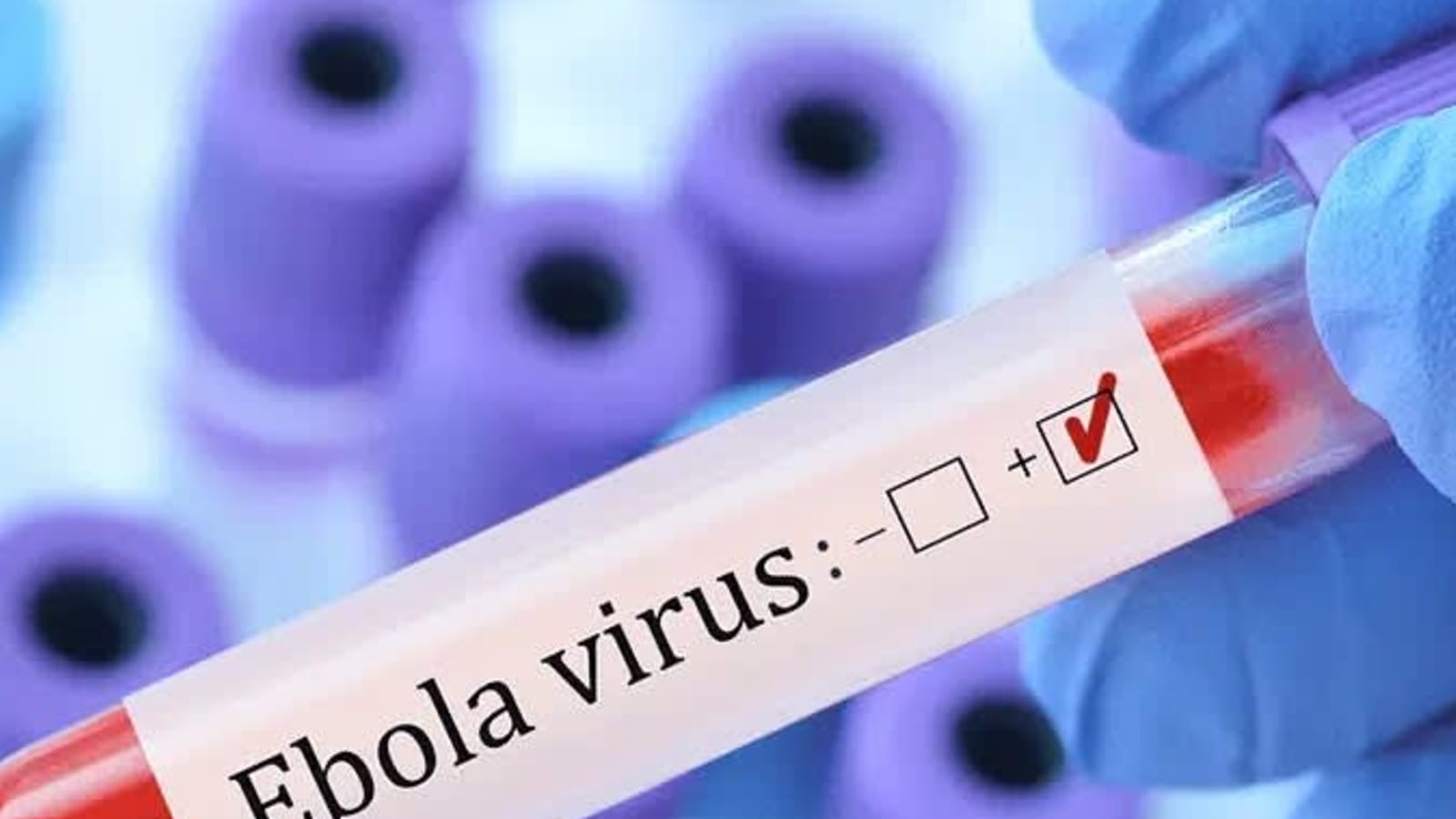
Nigeria has confirmed an imported case of Ebola virus disease in the Federal Capital Territory, Abuja, after laboratory tests returned positive for a woman who recently travelled from Uganda, prompting health authorities to begin tracing people who may have been exposed to the infection.
The Coordinating Minister of Health and Social Welfare, Professor Muhammad Ali Pate, confirmed the case on Tuesday, 20 October, stating that the patient had been isolated and was receiving medical care at a private hospital in Abuja. According to the minister, health officials have identified 44 contacts and commenced efforts to determine whether anyone else may have been exposed to the virus.
The patient reportedly began showing symptoms on 7 October and was admitted to the hospital on 11 October. Her diagnosis was subsequently confirmed through laboratory testing. Authorities are working to establish the people she came into contact with during the period relevant to the investigation, including healthcare workers, caregivers, other patients and travel-related contacts.
The Federal Government has activated its public health response, with the Federal Ministry of Health and Social Welfare, the Nigeria Centre for Disease Control and Prevention (NCDC), the Federal Capital Territory health authorities and international partners involved in efforts to contain the infection. Contact tracing and surveillance are among the immediate priorities as officials work to establish the extent of possible exposure and prevent further transmission.
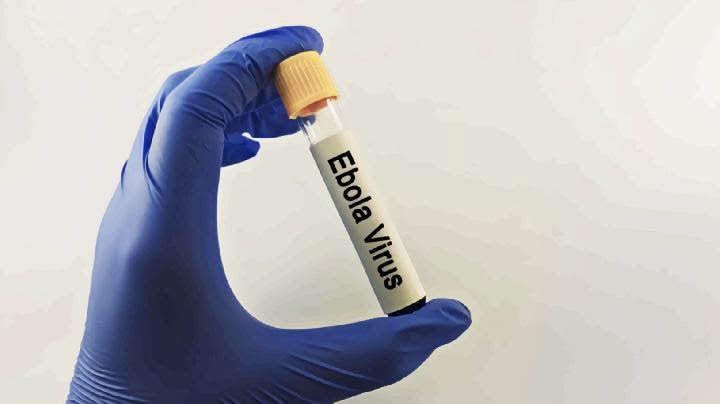
The confirmation comes as several African countries respond to an outbreak of Ebola caused by the Bundibugyo virus. The outbreak has been linked to cases in the Democratic Republic of the Congo, while Kenya reported an imported case earlier in October. Nigeria had intensified its preparedness measures following the regional developments before confirming its own imported case on Tuesday.
On 6 October, the NCDC announced that it was strengthening surveillance and reviewing the country's readiness after Kenya confirmed an imported case. At that time, the agency stated that Nigeria had no confirmed Ebola cases. The latest development marks a change in the country's situation and places greater importance on the rapid identification of contacts and the enforcement of infection prevention measures.
Ebola is a serious viral disease that can cause fever, weakness, headache, vomiting, diarrhoea and, in some cases, severe bleeding. It spreads through direct contact with the blood or other body fluids of an infected person who is showing symptoms, as well as through contact with contaminated materials. The virus can also spread through contact with the body of someone who has died from the disease.
Health authorities have urged healthcare facilities across the country to remain alert, identify suspected cases promptly and follow appropriate infection prevention and control procedures. Early recognition, isolation, laboratory testing and contact tracing are important in limiting the spread of the disease.
The confirmation has also renewed attention to Nigeria's experience during the 2014 Ebola outbreak, when the country recorded 20 cases after an infected Liberian-American traveller arrived in Lagos. The response at the time involved the identification and monitoring of contacts, isolation of suspected cases and coordination among health officials. Nigeria was subsequently declared free of the outbreak after the transmission chain was interrupted.
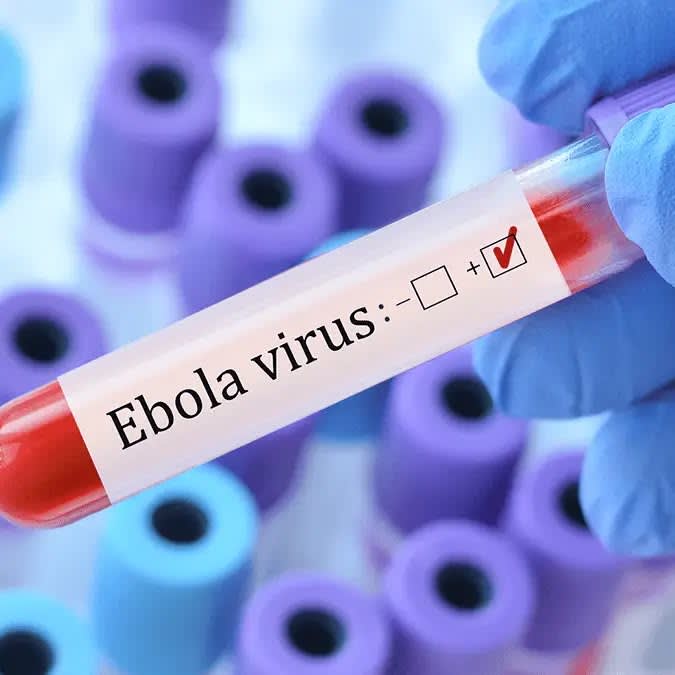
Although the latest case has raised public health concerns, a single confirmed infection does not by itself mean that Nigeria is experiencing widespread community transmission. The level of risk will depend on the findings of contact tracing, the identification of any additional cases and the effectiveness of the containment measures being implemented.
The Africa Centres for Disease Control and Prevention has called for urgent international support to help affected countries respond to the wider outbreak. Such support may include medical supplies, diagnostic capacity, funding and trained emergency personnel to strengthen surveillance and treatment efforts.
For now, health officials are focusing on monitoring the 44 identified contacts, tracing any additional people who may have been exposed and preventing further transmission. The coming days will be important in determining whether the infection remains limited to the imported case or whether additional cases emerge.
The Federal Government has urged Nigerians to remain calm, follow verified public health information and cooperate with health officials. As investigations continue, the effectiveness of contact tracing, early detection and infection prevention measures will be central to Nigeria's efforts to contain the case.
© 2026 Aliu Azeema |
TalkAfricang.com



Comments (0)
Leave a Comment