Fuel Prices Surge in Nigeria, Raising Fresh Economic Concerns

Fuel Prices Surge in Nigeria, Raising Fresh Economic Concerns

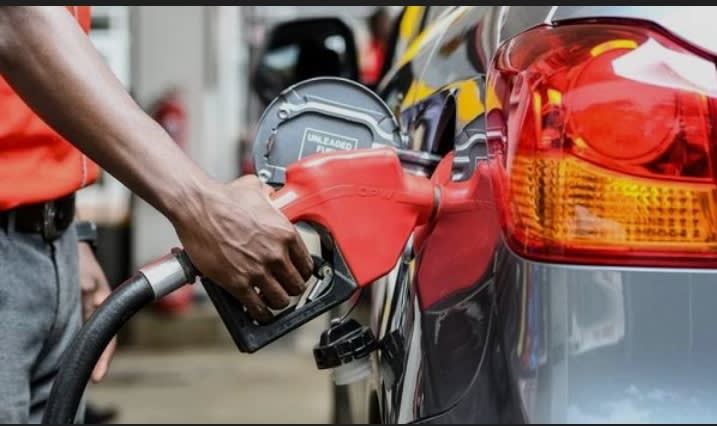
Nigeria is experiencing a sharp increase in fuel prices, with the cost of petrol rising from around ₦750 per litre in recent weeks to as high as ₦1,000–₦1,300 per litre in some parts of the country.

The surge has intensified economic pressure on citizens, leading to higher transportation fares, increased food prices and growing concern among households already struggling with the rising cost of living.

Analysts attribute the increase to ongoing market adjustments, foreign exchange challenges and reforms in Nigeria’s downstream oil sector. The administration of Bola Ahmed Tinubu has maintained that these reforms are necessary to stabilise the economy, attract investment and reduce long-term fiscal burdens.

However, opposition figures and labour unions have raised concerns over the impact of the price hike on ordinary Nigerians. Many are calling for urgent intervention measures, including relief programmes and improved public transportation systems to cushion the effects.

The development has also drawn attention from the National Assembly of Nigeria, where lawmakers are urging closer monitoring of fuel pricing and regulatory processes to ensure transparency and fairness.

Economic experts warn that sustained increases in fuel prices could further drive inflation and place additional strain on small businesses, particularly those dependent on transportation and logistics.

As discussions continue, fuel pricing remains a major economic and political issue, with potential implications for public sentiment and policy direction ahead of the 2027 general elections.

© 2026 Aliu Azeema | Tal

kAfricang.com

Filed under: politicsnewseconomy

Share this article

Keep Reading

More stories you might find interesting

Uganda’s Museveni Extends Historic Rule, Sworn In for Seventh Term After Nearly Four Decades in Power
news

Uganda’s Museveni Extends Historic Rule, Sworn In for Seventh Term After Nearly Four Decades in Power

Uganda’s President Yoweri Museveni has officially begun another term in office, extending a political reign that has shaped the East African nation for almost 40 years. Having first taken power on January 26, 1986, after leading a guerrilla war that ended years of political instability, Museveni’s continued leadership marks one of the longest presidential tenures on the African continent. His latest swearing-in for a seventh term reinforces his place as a dominant figure in Uganda’s modern political history.

SEYI MAKINDE DECLARES INTEREST IN THE 2027 PRESIDENTIAL RACE
politics

SEYI MAKINDE DECLARES INTEREST IN THE 2027 PRESIDENTIAL RACE

The Oyo governor reportedly announced his ambition while unveiling what he described as the “Reset Nigeria Movement,” a political agenda focused on economic reforms, institutional rebuilding, job creation, infrastructure, healthcare, education, and national unity. According to reports, Makinde declared: “I, Oluseyi Abiodun Makinde, announce my candidacy for the position of the President of the Federal Republic of Nigeria.”

Nigeria is Now Airtel’s Most Valuable Growth Engine
news

Nigeria is Now Airtel’s Most Valuable Growth Engine

Nigeria is no longer just a 'big' market; it is a 'valuable' one. For years, the story was told through the lens of sheer numbers, but recent financial shifts at Airtel Africa prove that the real story is now Average Revenue Per User (ARPU). Driven by a 70% explosion in data revenue, the Nigerian consumer is proving that even amidst economic headwinds, the hunger for digital connectivity is transforming the nation from a volume-play into a high-value tech powerhouse

Comments (0)

Leave a Comment

0/1000
Loading comments...