
Every year, thousands of babies in Nigeria are born looking perfectly healthy, yet some carry hidden medical conditions that may not become apparent until irreversible damage has already occurred. For many families, the diagnosis comes too late, leading to lifelong disabilities or even the loss of a child. Nigeria's newly launched neonatal screening campaign hopes to change that story by making early detection a routine part of newborn care.
The Federal Ministry of Health and Social Welfare in June 2026, unveiled the One Million Newborn Screening Campaign, a national initiative designed to screen one million babies by 2030. Developed in collaboration with healthcare partners, ISN Medical and Revvity, the campaign is built under the theme "Every baby deserves a healthy start in life: Advancing Early Detection".
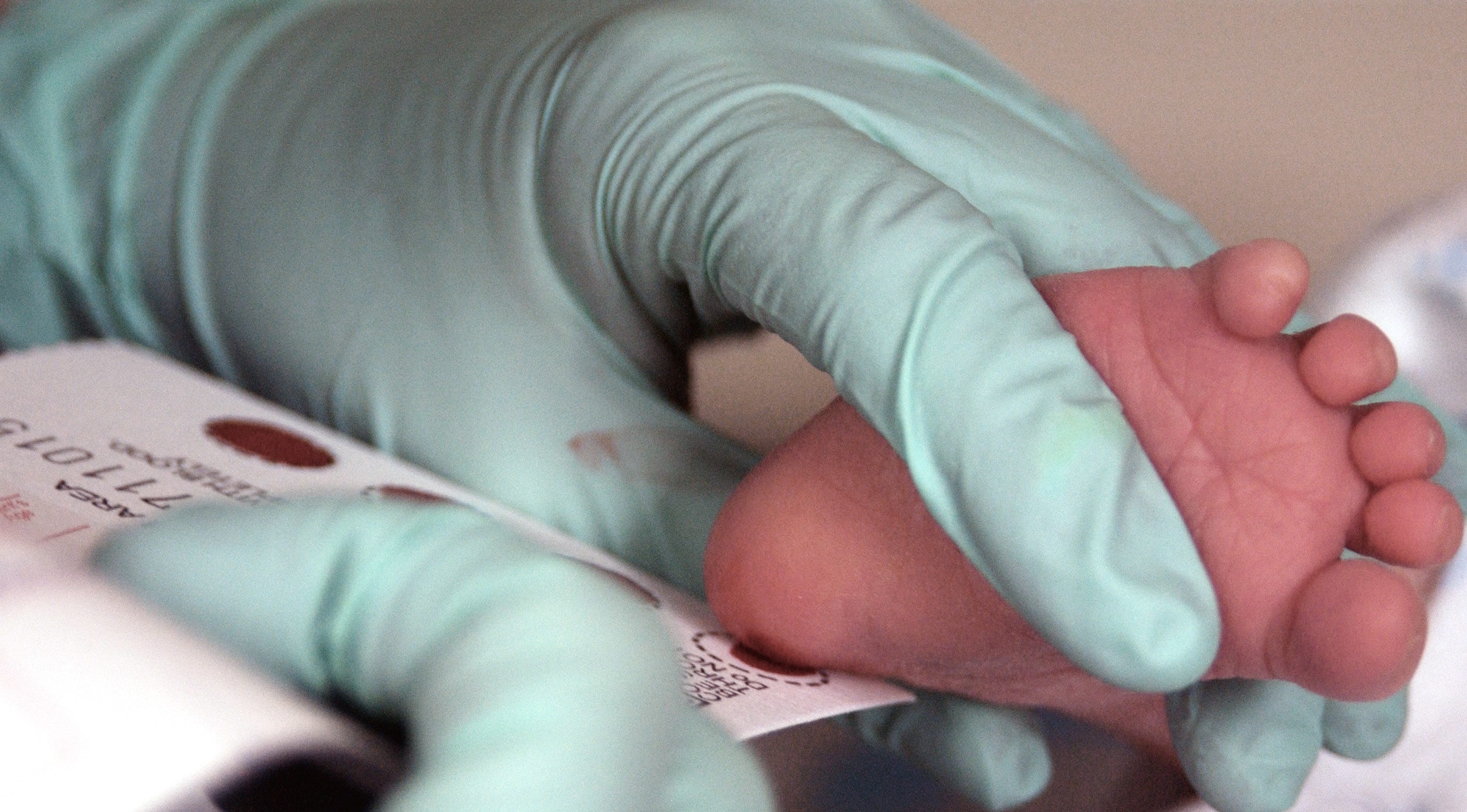
Neonatal screening, also known as newborn screening, is a simple medical test performed within the first few days after birth. A healthcare worker collects a few drops of blood from the baby's heel, which are then analysed for a range of serious but treatable conditions. The procedure is quick, safe and causes only minimal discomfort, yet it can make the difference between a healthy childhood and a lifetime of preventable health complications.
This initiative is very important because;
- The campaign will focus on detecting conditions such as sickle cell disease, congenital hypothyroidism, hearing impairment and selected inherited metabolic disorders. These illnesses often show no obvious symptoms in the early days of life, meaning many affected babies appear completely healthy.
- Early detection gives doctors the opportunity to begin treatment before complications develop. In many cases, timely medical intervention can prevent intellectual disabilities, organ damage, growth problems and even death.
- Nigeria has one of the highest birth rates in the world but access to comprehensive newborn screening has remained limited. The new campaign aims to bridge this gap by expanding screening services across healthcare facilities, increasing awareness among parents and healthcare professionals, and strengthening laboratory capacity to support early diagnosis.
- Beyond individual patient care, the initiative will also improve the country's healthcare system. Data collected through the screening programme will help health authorities better understand the prevalence of congenital and inherited disorders across Nigeria.
While screening alone cannot eliminate every health challenge a newborn may face, it provides something very important; time. Time for doctors to diagnose, time for families to act and time to give every child the best possible chance at a healthy future.
© Aisha Egena-Aruwa | talkafricang.com



Comments (0)
Leave a Comment