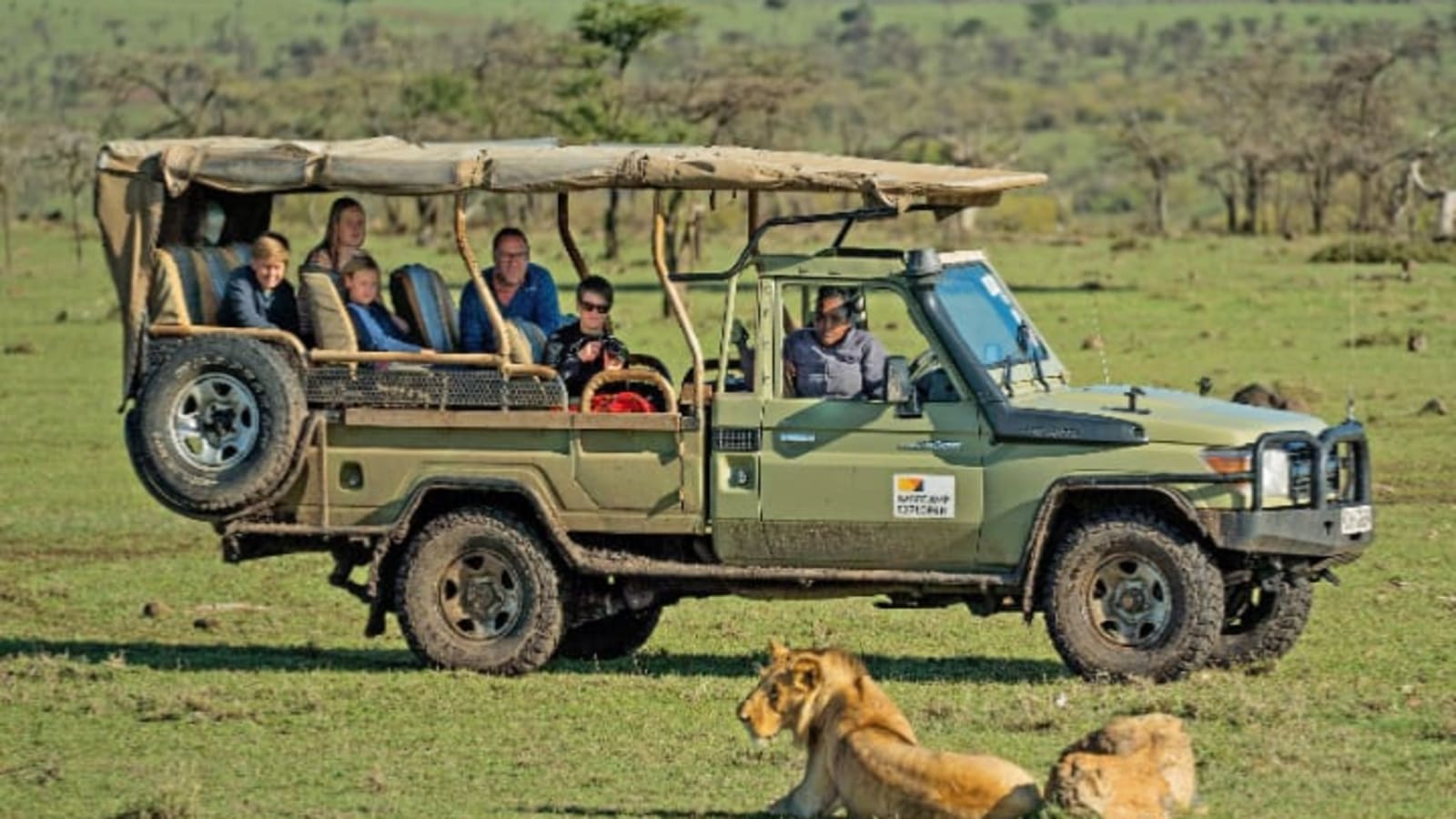
Kenya is a country located in the Eastern part of Africa, and it is known for her diverse landscape, wildlife and rich cultures. For many people, when you mention Kenya, the first thing that comes to mind is golden plains, tall giraffes, big elephants, and lions staying under the African sun. While all these may be correct, it is just a part of the beauty of Kenya.
Have you ever heard of the word “Safari”? In case you do not know, the word Safari comes from the Swahili language which means “journey” or “travel”. In Kenya, the word has changed to something deeper. A safari is a guided adventure through protected wilderness areas where visitors observe animals living freely in their natural habitats. A safari in Kenya is not only about getting a chance to see wildlife, it is a journey into one of the world's richest natural landscapes, where every sunrise, every animal encounter, and every mile traveled reveals something beautiful.
Kenya is so blessed; from savannahs and hills, to forests, wetlands, lakes, and semi-arid plains, its varied landscapes support an incredible range of wildlife. The country has parks and game reserves, each offering a unique safari experience. Some parks are known for their elephant herds, others for rare wildlife, spectacular scenery, or breathtaking bird life. This diversity means that no two safaris are ever exactly the same. One of the greatest things about the Kenyan safari is witnessing wildlife in its natural environment. Many visitors dream of spotting the famous "Big Five", and just in case you are wondering what the big five is, The Big Five are five iconic African animals that are considered the most sought after to see on safari; they include the lion, leopard, elephant, rhinoceros, and African buffalo. Travelers also encounter very tall giraffes, herds of zebras stretching across the plains, very fast cheetahs, pods of hippos, and hundreds of colorful bird species that fill the skies with movement and song.
Among Kenya's most remarkable attractions is the annual Great Migration, often regarded as one of the greatest wildlife events on earth. Every year, countless herds of wildebeest, accompanied by zebras and gazelles, journey across the plains to search for fresh grazing. Their movement involves dramatic river crossings where powerful currents and waiting predators create scenes of extraordinary intensity. For many people who go to visit, witnessing even a small part of this migration becomes a remarkable memory of their safari.
A safari is not only about the animals you go to Kenya to see, it is also an opportunity to experience Kenya's cultural richness. These experiences always remind visitors that Kenya's greatest treasures are not only found in its landscapes but also in the people who have lived alongside wildlife for generations. The Safari have created ways for tourism, job creation and has made Kenya a global leader in wildlife conservation. Africa is so beautiful and blessed.
Esther Ojoma Sule| TalkAfricaNG.com


Comments (0)
Leave a Comment