
Lablabi: Tunisia's Comforting Chickpea Soup
Lablabi is one of Tunisia's most beloved traditional dishes, celebrated for its simplicity, rich flavor, and nourishing qualities. This hearty chickpea soup is made with cooked chickpeas, garlic, cumin, olive oil, harissa, and pieces of crusty bread that soak up the flavorful broth. Despite being prepared from humble ingredients, Lablabi is deeply satisfying and has become a staple in Tunisian homes and restaurants.
Often enjoyed as a breakfast dish or a comforting meal during the colder months, Lablabi is cherished for its warmth, affordability, and ability to bring people together around the table.
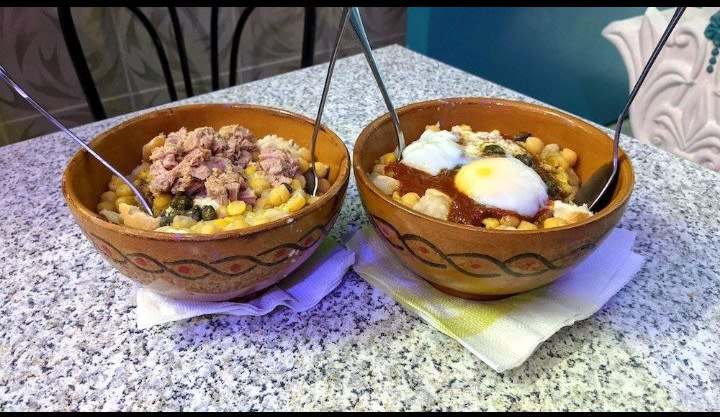
History and Origin
Lablabi originated in Tunisia and has been a part of the country's culinary heritage for centuries. It is believed to have developed as a practical meal for working-class families because chickpeas were inexpensive, nutritious, and readily available. Over time, Lablabi evolved into one of Tunisia's national dishes, enjoyed by people from all walks of life.
The dish reflects the influence of Arab, Berber, and Mediterranean cooking traditions, with the use of olive oil, garlic, cumin, and harissa giving it its distinctive flavor. Today, Lablabi is commonly served in homes, local cafés, and traditional restaurants throughout Tunisia.
Ingredients Used in Making Lablabi
The traditional ingredients include:
Dried chickpeas
Water or vegetable broth
Garlic
Ground cumin
Harissa (Tunisian chili paste)
Olive oil
Salt
Black pepper
Crusty bread (usually stale or toasted)
Optional ingredients include:
Soft-boiled or poached egg
Tuna
Capers
Lemon juice
Fresh parsley
Coriander
Extra virgin olive oil
Paprika
How Lablabi Is Prepared
Lablabi is easy to prepare, though dried chickpeas require soaking before cooking.
The preparation process generally includes:
1. Soak the dried chickpeas overnight.
2. Boil the chickpeas until they become soft and tender.
3. Prepare a broth by combining garlic, cumin, harissa, salt, and black pepper.
4. Add the cooked chickpeas to the seasoned broth and simmer for several minutes.
5. Place chunks of crusty bread into serving bowls.
6. Pour the hot chickpea soup over the bread.
7. Drizzle generously with olive oil.
8. Garnish with tuna, a soft-boiled egg, parsley, capers, or lemon juice if desired.
9. Serve immediately while hot.
Types of Lablabi
Although the classic version remains the most popular, several variations exist.
1. Traditional Lablabi
Prepared with chickpeas, garlic, cumin, harissa, olive oil, and bread.
2. Egg Lablabi
Includes a soft-boiled or poached egg, adding richness and extra protein.
3. Tuna Lablabi
A popular variation topped with canned tuna for additional flavor and nutrition.
4. Spicy Lablabi
Contains extra harissa and chili peppers for those who enjoy bold, spicy flavors.
5. Vegetarian Lablabi
Prepared entirely with vegetables and herbs without any animal-based toppings.
Nutritional Value of Lablabi
Lablabi is packed with essential nutrients that make it a wholesome and nourishing meal.
It provides:
Plant-based protein
Complex carbohydrates
Dietary fiber
Healthy fats (from olive oil)
Iron
Magnesium
Potassium
Phosphorus
Folate
Vitamin B6
Vitamin C (when served with lemon)
Antioxidants
The nutritional value may increase depending on the toppings used, such as eggs or tuna.
Health Benefits of Lablabi
1. Rich in Plant-Based Protein
Chickpeas are an excellent source of plant protein, making Lablabi a nutritious meal for vegetarians and anyone looking to increase their protein intake. Protein supports muscle growth, tissue repair, and overall body function.
2. Supports Digestive Health
The high fiber content of chickpeas promotes healthy digestion, encourages regular bowel movements, and helps maintain a healthy gut by supporting beneficial bacteria.
3. Provides Long-Lasting Energy
Lablabi contains complex carbohydrates that are digested slowly, providing a steady release of energy throughout the day. This makes it a satisfying meal that helps keep hunger at bay.
4. Promotes Heart Health
Olive oil and chickpeas contain nutrients that support cardiovascular health. When eaten as part of a balanced diet, they may help maintain healthy cholesterol levels and reduce the risk of heart disease.
5. Strengthens the Immune System
Garlic, cumin, harissa, and lemon contain antioxidants and beneficial plant compounds that help support the immune system and protect the body against illness.
6. Supports Healthy Weight Management
Thanks to its combination of protein and fiber, Lablabi helps promote fullness, reducing the likelihood of overeating and supporting healthy weight management.
7. Rich in Essential Vitamins and Minerals
Lablabi provides important nutrients such as iron, magnesium, potassium, phosphorus, and folate, all of which play key roles in maintaining healthy bones, muscles, blood circulation, and energy production.
Cultural Significance
Lablabi is more than just a meal in Tunisia it is a symbol of comfort, tradition, and community. It is commonly eaten in the morning as a hearty breakfast or enjoyed as a warming meal during cooler weather. Families often prepare it at home, while many Tunisians visit local cafés that specialize in serving freshly made Lablabi. The dish reflects Tunisia's tradition of transforming simple, affordable ingredients into flavorful and nourishing meals.
How Lablabi Is Served
Lablabi is traditionally served hot in deep bowls with chunks of crusty bread placed at the bottom. It is commonly topped with olive oil, harissa, cumin, parsley, lemon juice, tuna, capers, or a soft-boiled egg to enhance its flavor and nutritional value. It is often accompanied by fresh bread and enjoyed as a complete meal.
©2026|Osho Deborah|Talk Africa NG.com


Comments (0)
Leave a Comment