
Have you ever heard of a meal so affordable that it earned the nickname "Tomorrow I Will Pay"? This reflects the long-standing reputation of Kokonte as an inexpensive, filling meal enjoyed by many households across Ghana.
Kokonte is a traditional Ghanaian swallow dish made from cassava. It is prepared by fermenting cassava roots, drying them thoroughly and milling them into a fine flour. The flour is then gradually stirred into boiling water until it forms a smooth, firm dough that is ready to be served.
The characteristic brown colour of Kokonte comes from the drying process of the cassava. Depending on how it is processed, the shade may vary from grey to deep brown. Over the years, its distinctive appearance and affordability have earned it several playful nicknames, including "Chris Brown," "Abeti3," "Lapiiwa," "Face the Wall," and "Tomorrow I Will Pay." These names have become part of the cultural identity of the dish, often reflecting the humour and creativity of the communities that enjoy it.
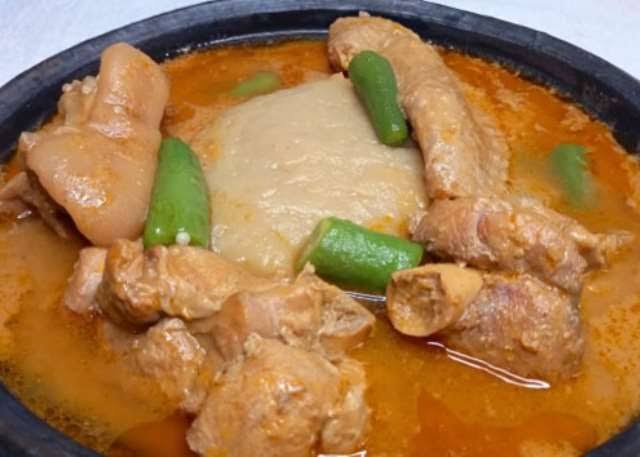
Kokonte is commonly paired with rich, flavourful soups such as groundnut soup, okra soup, or palm nut soup. The combination creates a satisfying and nourishing meal that has remained a staple in many Ghanaian homes for generations.
Health Benefits of Kokonte
Kokonte offers several nutritional benefits when prepared and eaten as part of a balanced diet.
1. Rich Source of Energy
Cassava is naturally rich in carbohydrates, making Kokonte an ideal source of energy. It is particularly beneficial for people with physically demanding jobs or anyone who needs sustained energy throughout the day.
2. Naturally Gluten-Free
Made entirely from cassava, Kokonte is naturally free of gluten, making it a suitable alternative for individuals with celiac disease or gluten intolerance.
3. Low in Fat
Kokonte contains very little fat on its own. When served with nutritious soups containing vegetables, fish or lean meat, it can form part of a healthy, balanced meal.
4. Contains Dietary Fibre
Depending on how the cassava is processed, Kokonte may provide dietary fibre, which supports healthy digestion, promotes bowel regularity and helps increase feelings of fullness.
5. Pairs Well with Nutrient-Rich Soups
Although Kokonte itself is primarily a carbohydrate, it is traditionally eaten with soups rich in protein, healthy fats, vitamins, and minerals. This combination significantly improves the overall nutritional value of the meal.
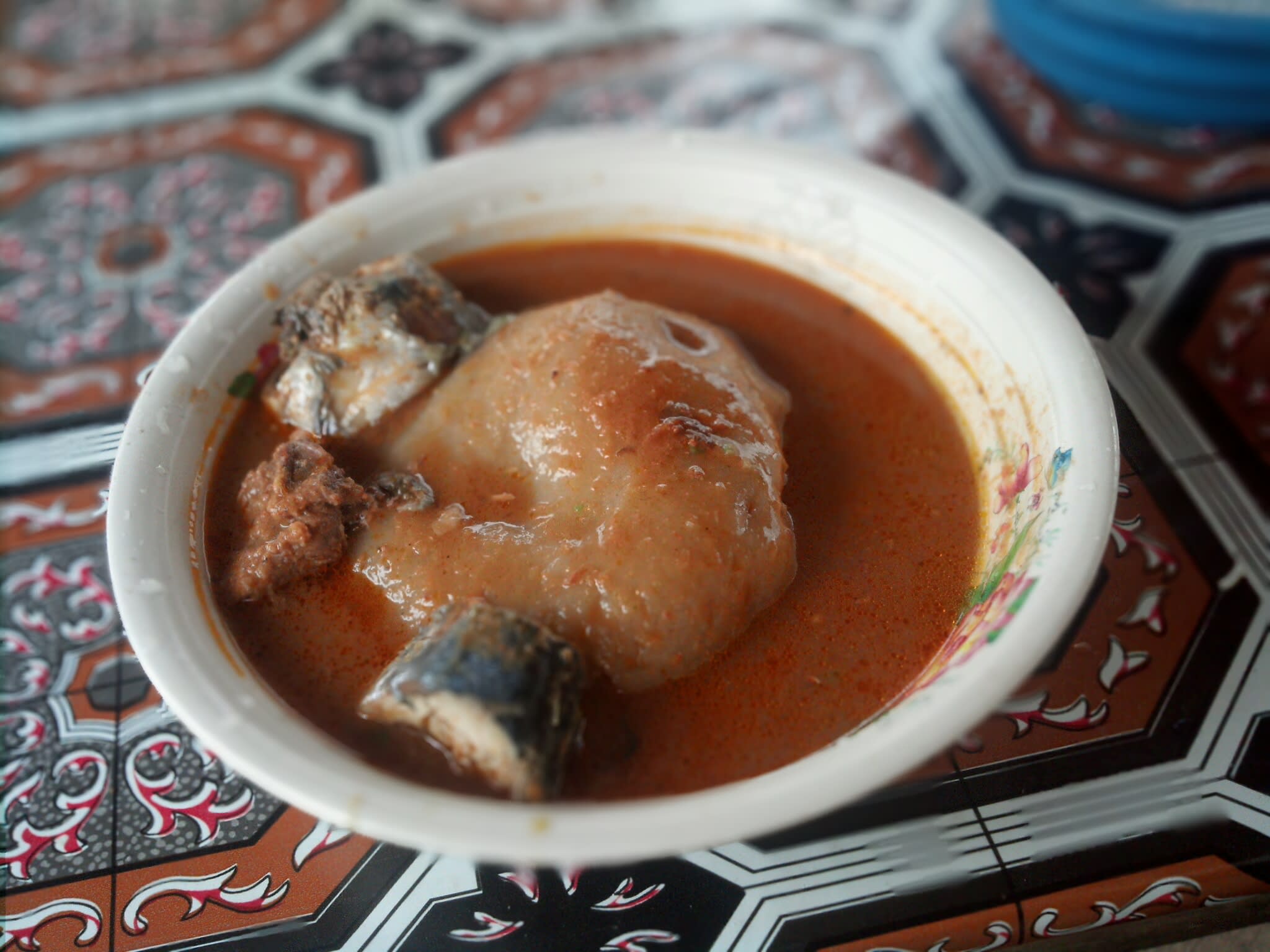
Kokonte is more than just an affordable meal but a symbol of culture and tradition. Its many nicknames reflect the humour of the people, especially of Ghanaian origin,who have enjoyed it for generations.
© 2026 Aisha Egena-Aruwa | talkafricang.com


Comments (0)
Leave a Comment