
Imagine wanting a beautiful, eye-catching henna tattoo for a wedding, festival, cultural celebration, or simply because you love the artistry. After hearing glowing recommendations, you visit a popular henna artist known for creating stunning designs. The intricate patterns are applied, and you leave feeling delighted with the results.
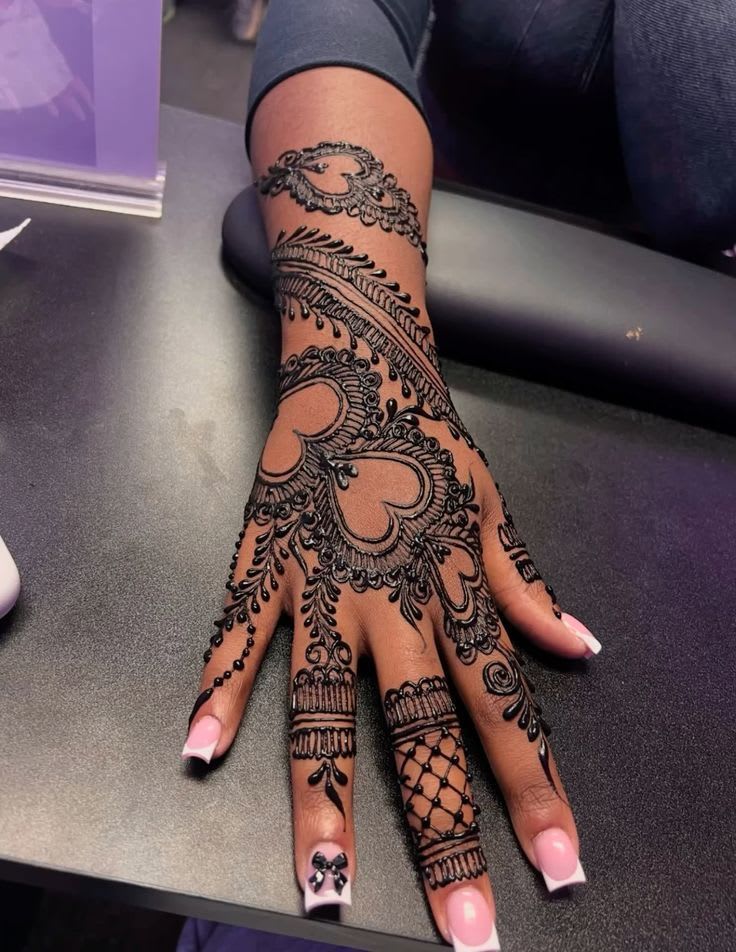
Over the next day or two, you eagerly wait for the dried paste to peel away and reveal the final design. Proud of your new tattoo, you take photos and share them with friends and on social media. Then something unexpected happens. The area begins to itch slightly. At first, it seems harmless, but the itching becomes more intense. Soon, the skin starts to swell, become painful, and show signs of irritation. Panic sets in as you realize that something is wrong. What you may be experiencing is a henna-related skin reaction.
What Is Henna?
Henna is a temporary dye derived from the plant Lawsonia inermis, commonly known as Lalle or Laali in many regions. For centuries, it has been used for body art, cultural ceremonies, and celebrations across various cultures. Traditional henna produces a reddish-brown stain and is generally considered safe for application on the skin. If pure henna is safe, why do some people experience severe reactions after getting a henna tattoo?
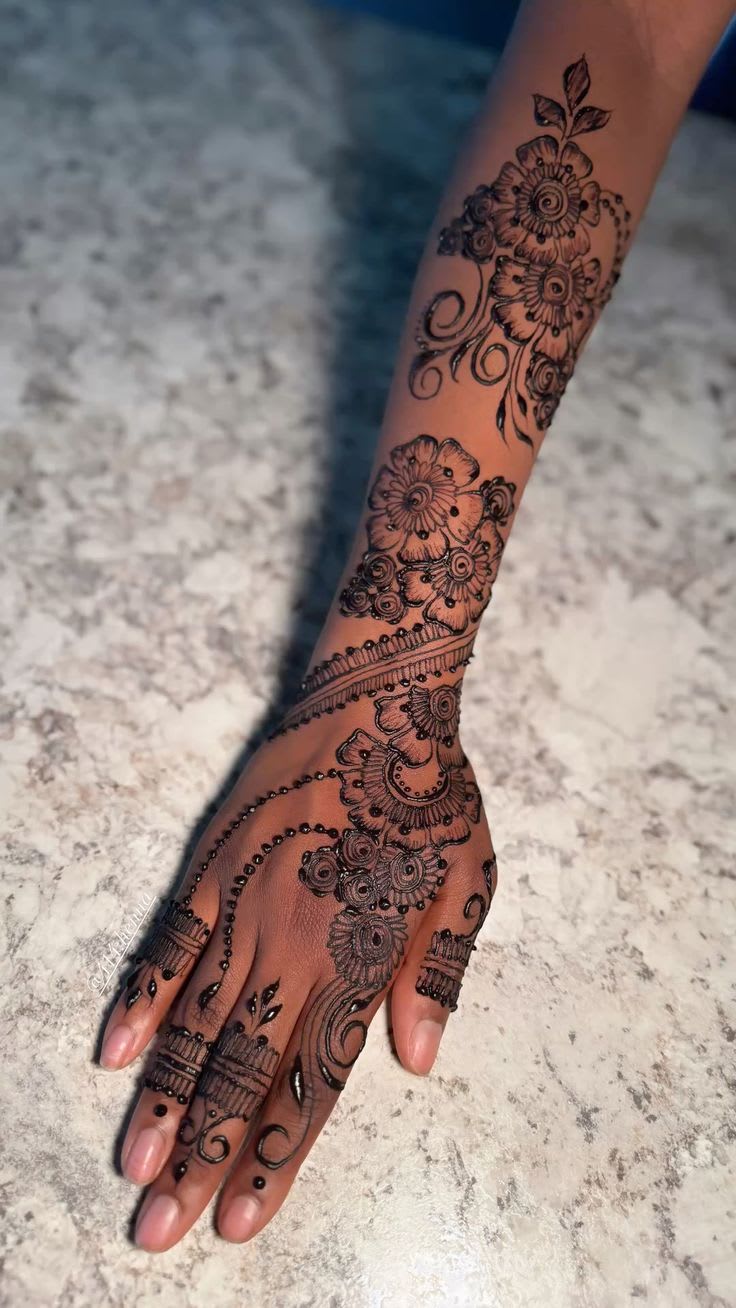
The Villain: Paraphenylenediamine (PPD)
In many cases, the reaction is not caused by natural henna itself but by a chemical called paraphenylenediamine (PPD). This compound is often added to henna mixtures to create a darker, blacker stain and to speed up the dyeing process.
Pure henna naturally produces a reddish-brown colour, not black. Therefore, products marketed as "black henna" frequently contain PPD. This chemical is also commonly found in some hair dyes and is a well-known cause of allergic skin reactions.
Signs of a Henna Reaction
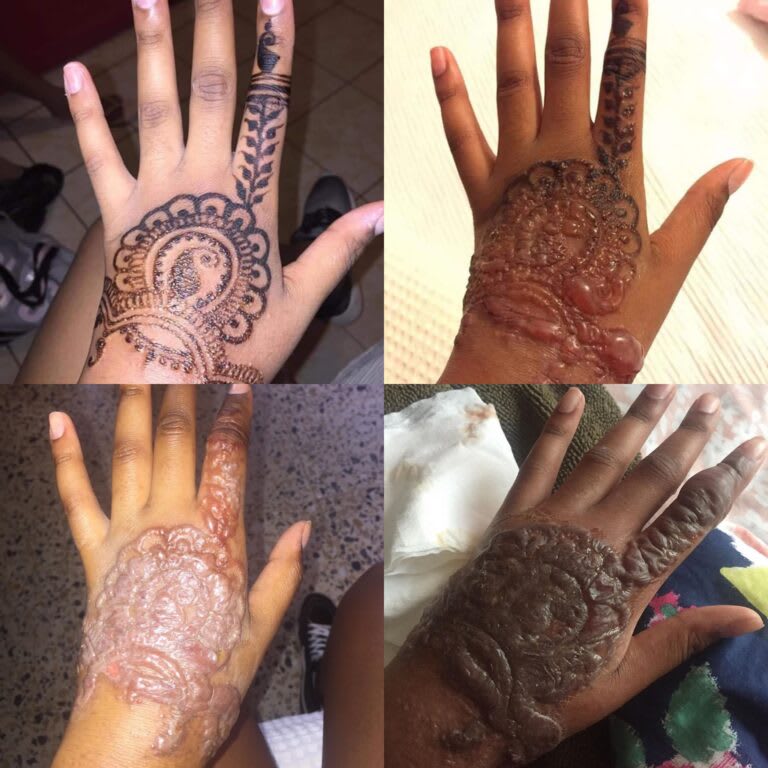
A reaction to PPD-containing henna may occur hours or even days after application. Common symptoms include:
- Blistering
- Swelling
- Redness
- Itching
- Pain or burning sensations
These symptoms typically appear on the areas where the henna was applied and may vary in severity from person to person.
How to Protect Yourself
To reduce the risk of a reaction, consider the following precautions:
- Choose artists who use pure, plant-based henna.
- Ask about the ingredients used in the henna mixture.
- Avoid products advertised as "black henna."
- Request a patch test before full application, especially if you have sensitive skin or a history of allergies.
When to Seek Medical Help
If you or someone you know develops swelling, blistering, severe itching, or other signs of a skin reaction after a henna application, seek medical attention from a qualified healthcare professional. Self-medication may worsen the condition or delay proper treatment.
Henna can be a beautiful form of self-expression and cultural celebration, but it is important to ensure that the products used are safe. A little caution before application can help prevent an unpleasant and potentially serious reaction afterward.
©2026 Aisha Egena-Aruwa | talkafricang.com



Comments (0)
Leave a Comment