
In time past, we have seen and heard of kingdoms, provinces, and cultures who were ruled by men. But, have you heard of the matriarchal society? I guess not. Let's dive deeper into it.
THE BIJAGO PEOPLE
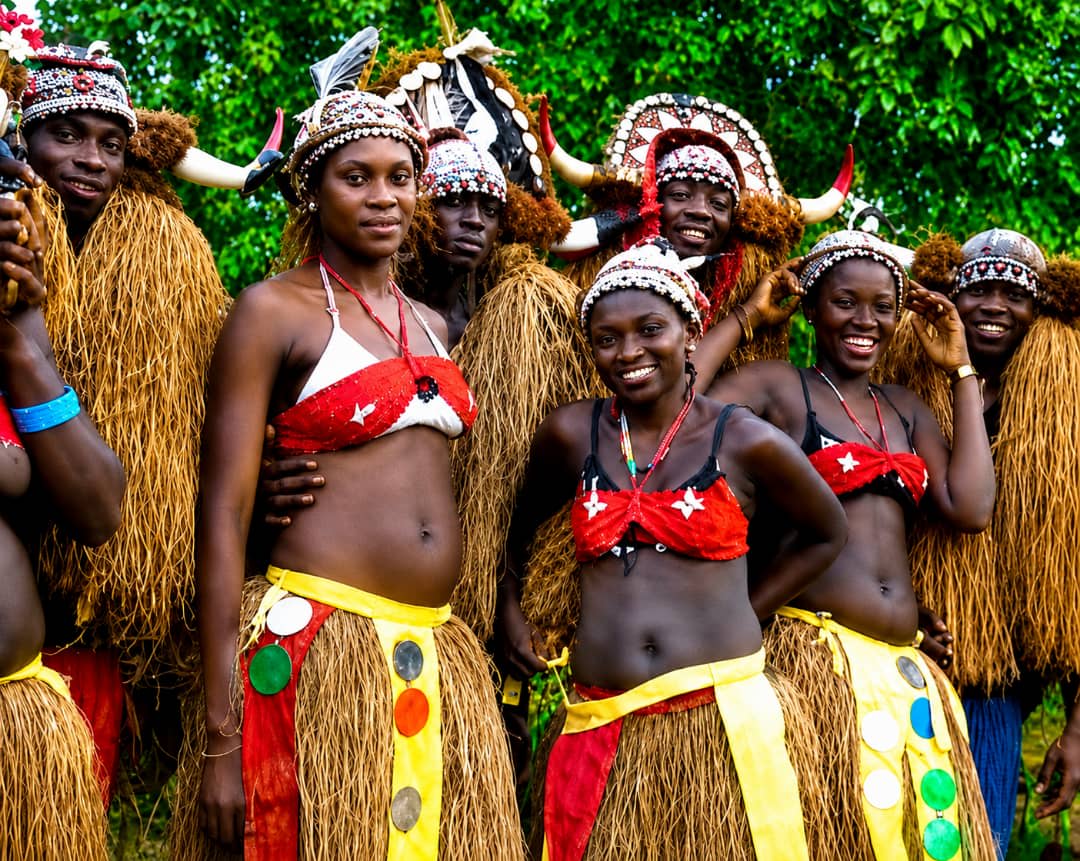
The Bijago people of the bubaque island( bissagos archipelago) are found in Guinea- Bissau, West Africa. It is a very highly preserved matriarchal society led by women. Women manage the economy, traditions, laws, and religious activities across the island.
HISTORICAL BACKGROUNDS
They date back to the 13th century and are recorded to have lived for over 5000 years. Every modern village of the bijago people traces their roots and heritage back to the four maternal lineages which governed distinct districts or spheres. The first woman(akapakama) birthed four other women ( oranga, orakuma, ominca, and ogubane) who now serve as the four maternal lineage. In the aspect of religious practices, the deity(olankas) and the priestess(balobas)serve as an intermediary between the people and the spirit world.
Because of their legendary naval defense, they were immune to colonial rule and the slave trade.
TRADITIONS AND LEADERSHIP
As said earlier, it is a matriarchal society firmly based on women leadership. It is one of the very few matriarchal cultures that disrupts modern standards and global structures. Marital rights are performed by the women by seeking the proposals of men that they choose or select to marry. This is done by simply placing a plate of food at the door and the man on the other hand dare not refuse. The leadership status of the Bijagos is highly centralized by women.
LANGUAGE
The bijago also known as the bissago speak a distinct language known as Bidyogo which is categorized under the Niger- congo language family
LOCATION
They reside at a very remote location which maintains their ancient lifestyle completely disrupted from modern tourism. They also lived in the orango island which was home to rare,ocean-swimming hippos, dolphins, the west african manatees,and other wildlife
Due to their resilience and resistance, they have a very notable history of not being part of the slave trade. These indigenous people were feared due to their historical tendency to commit mass suicide than to be captured by slave traders. This gave them a fierce reputation,identity, and naval defense
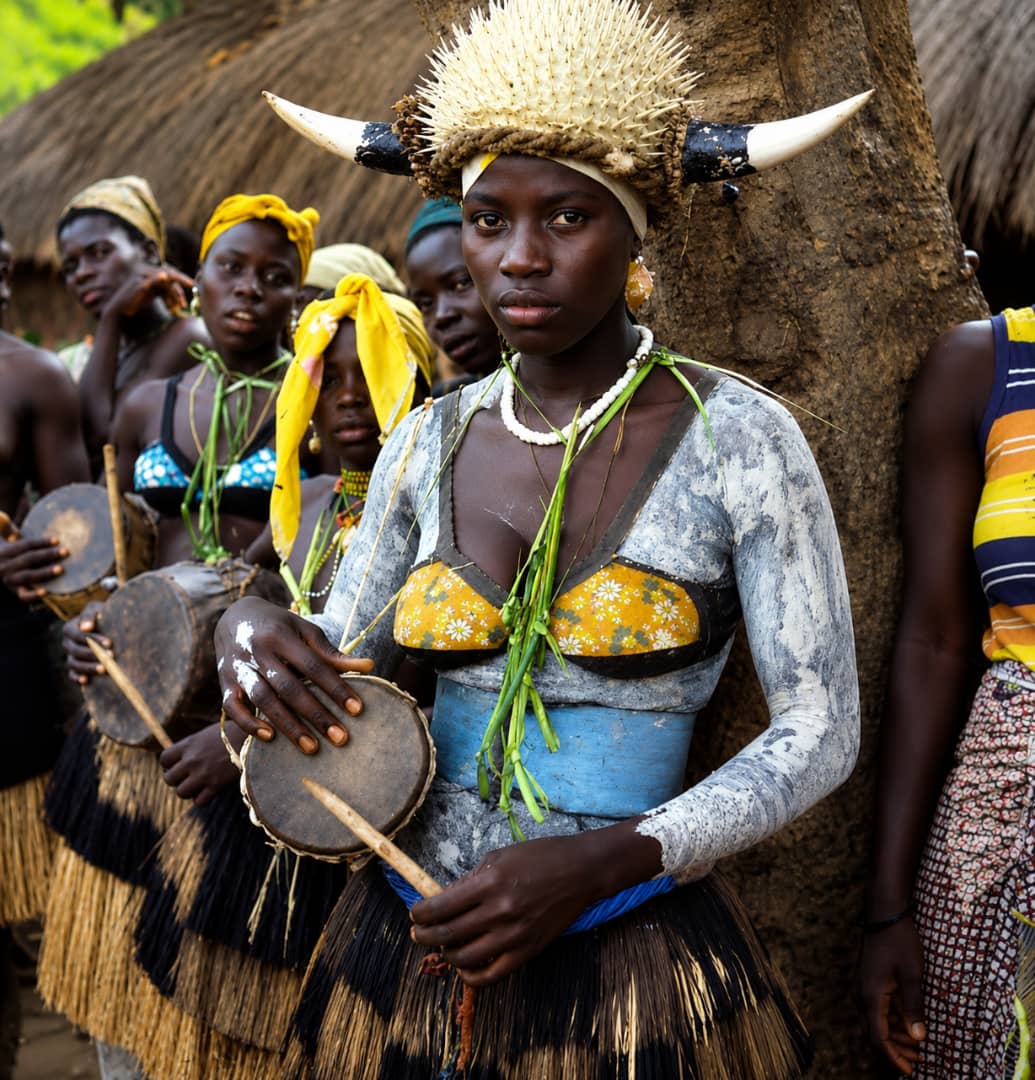
Despite their isolation from the modern world and structures,the bijago people have maintained their strong leadership systems and lived throughout centuries in unity. Their uniqueness portrays itself as one of Africans must beautiful and distinct cultures.
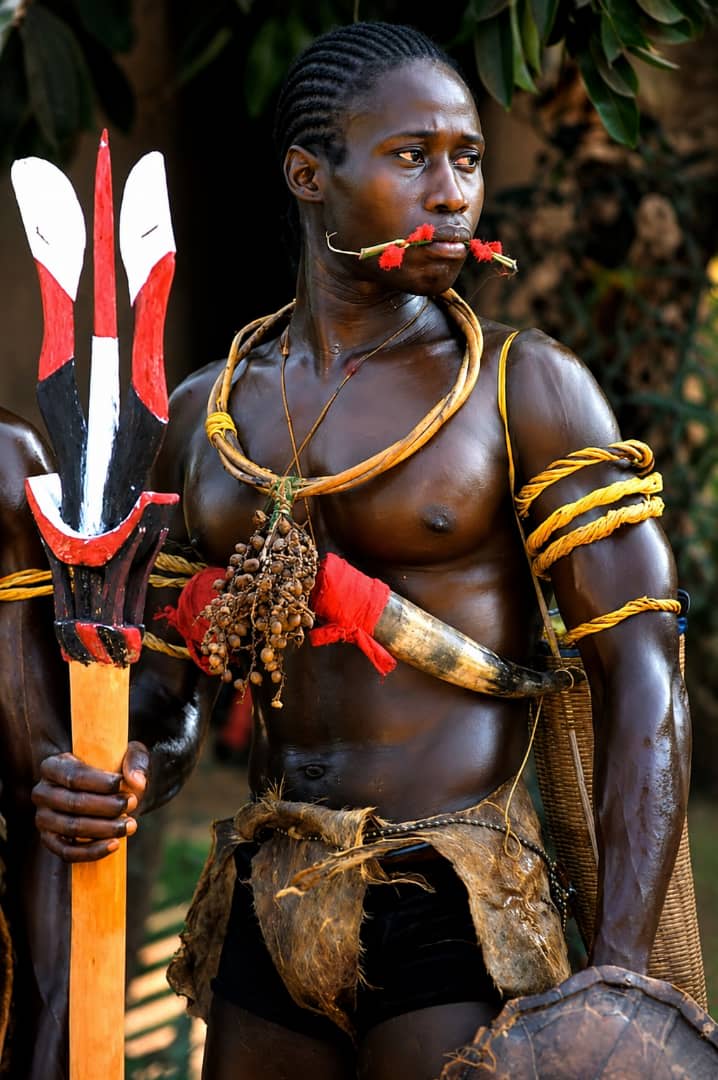
The theme of gender equality also comes to light in this unique tribe. Also, the ability to stand for their culture even to the verge of death displays their strong cultural heritage and significance.
The bijago culture revolves around equality, resilience, deep rooted cultural background, and harmony.
@2026 Dora Alikali |
Talkafricang.com


Comments (0)
Leave a Comment