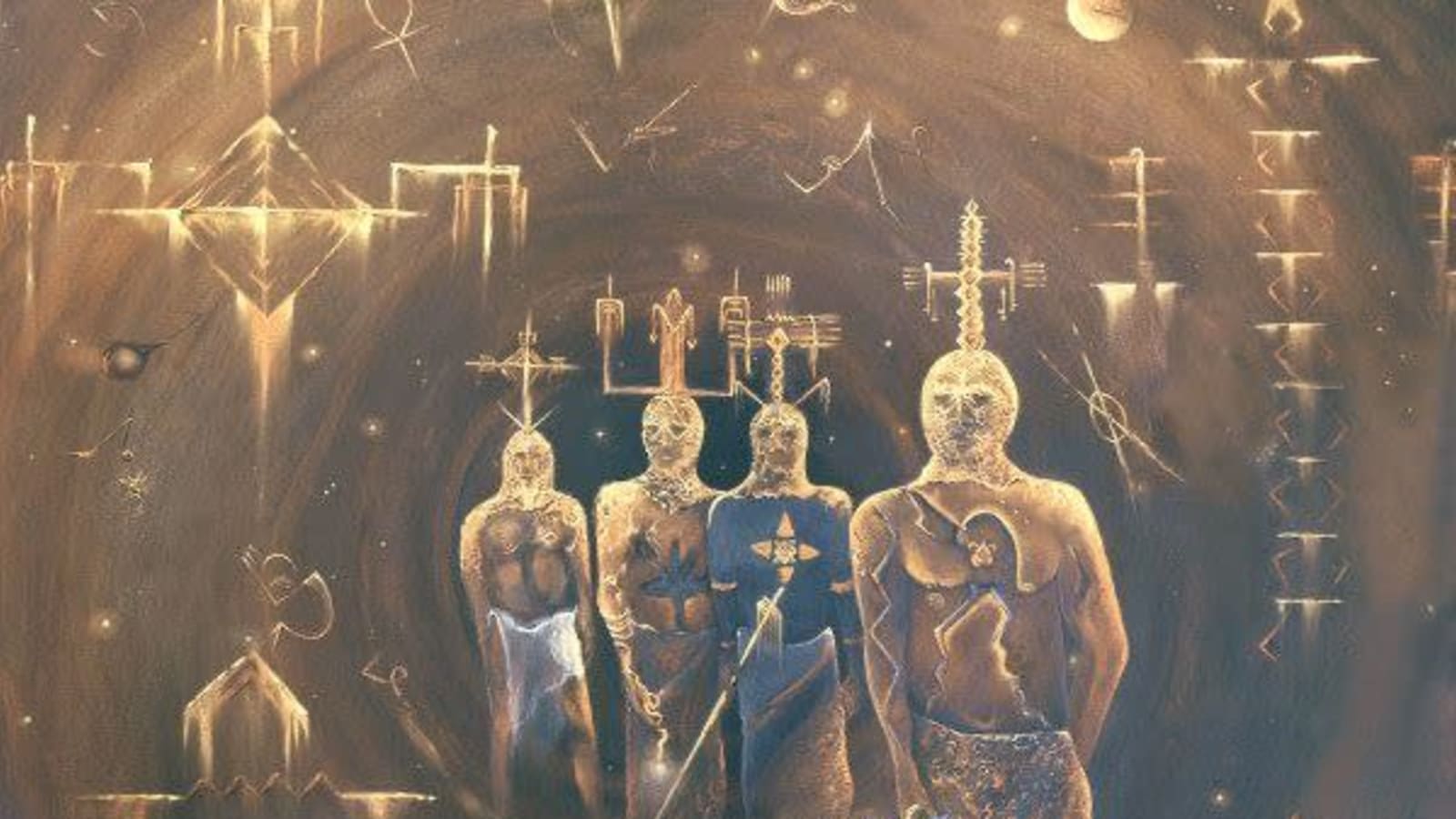
How did an ancient African tribe know about stars invisible to the human eye?

How did an ancient African tribe know about stars invisible to the human eye?

Long before Western telescopes were even invented, the Dogon people of Mali in Africa already had an incredibly deep, precise understanding of the solar system.

Check the stats below:

They didn't need Western validation or space programs, their knowledge was passed down through generations of precise observation and complex mathematics.
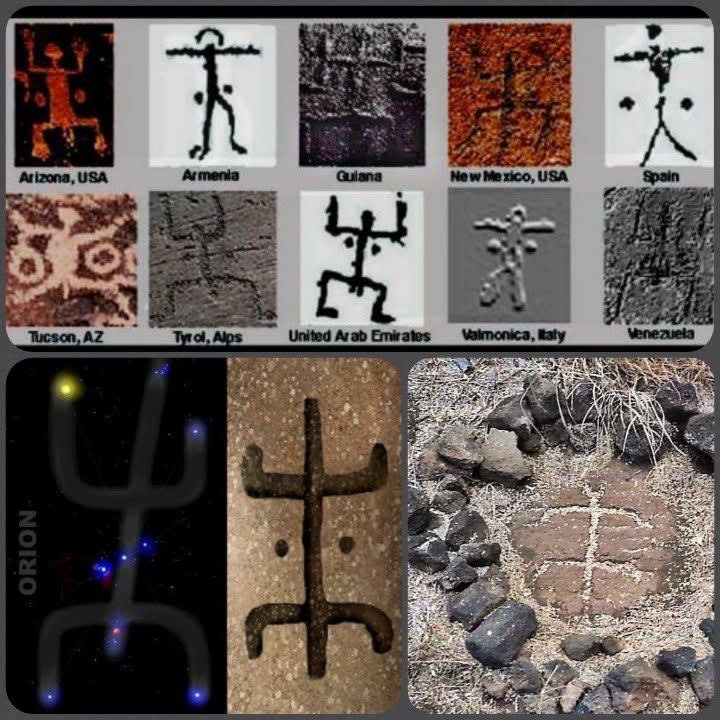
Africa isn’t catching up to science, we’ve been tracking the universe from the very beginning.

Did you learn about African astronomy in school, or is this your first time hearing about the Dogon?

Drop a comment on your thoughts if your mind is completely blown

Share this article

Keep Reading

More stories you might find interesting

Africa Wins: 164 Countries Vote at the UN to Correct the Map, Togo's Robert Dussey Leads the Charge.
politics

Africa Wins: 164 Countries Vote at the UN to Correct the Map, Togo's Robert Dussey Leads the Charge.

On Friday, the United Nations General Assembly did something it has never done in its eighty-one-year history: it voted, formally and by an overwhelming margin, to correct the way the world has been drawn since 1569. Resolution A/80/L.104, titled "Correct the map: rebalancing global cartographic representation," was sponsored by Togo on behalf of the African Union's 55 member states and co-sponsored by the Bahamas. It passed 164 votes to 1, with six abstentions. Only the United States voted against it.

The Ndebele of South Africa: Where Walls are turned to Art and Culture Speaks in Color
arts

The Ndebele of South Africa: Where Walls are turned to Art and Culture Speaks in Color

We move out everyday, we see houses, buildings and all but unlike the usual buildings, houses are turned into canvases, languages, family stories and declaration of identities . Among the Ndebele people of South Africa, walls can do all of these things. With bold geometric patterns, beautiful colors, beadwork and unique traditional clothing, the Ndebele have developed one of the most recognizable visual cultures in Southern Africa

Yomif Kejelcha Breaks Half Marathon World Record in Buenos Aires.
african-history

Yomif Kejelcha Breaks Half Marathon World Record in Buenos Aires.

Ethiopian distance runner, Yomif Kejelcha has broken the men’s half marathon world record after an impressive performance in Buenos Aires, Argentina. In 56 minutes and 51 seconds, Kejelcha completed the race, revealed his competence, and set a new world record. His time was 29 seconds faster than the previous record of 57:20.

Comments (0)

Leave a Comment

0/1000
Loading comments...