
Along the golden banks of the Nile River lies a city whose name carries the weight of thousands of years of human achievement. Thebes, one of the greatest cities of ancient Egypt, was not merely a place of buildings and monuments. It was a centre of kingship, spirituality, knowledge, and artistic excellence. Today, the remains of this ancient city form part of modern Luxor, standing as a timeless reminder of Africa’s deep historical roots.
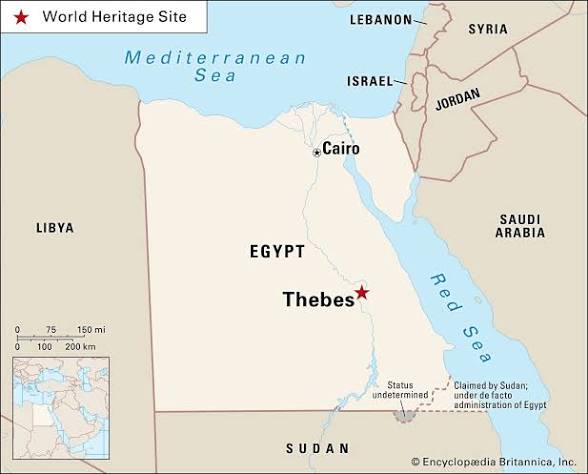
Thebes rose to prominence during Egypt’s Middle Kingdom and became the political and religious capital during the New Kingdom period. From around 2055 BC, the city grew into one of the most powerful centres of the ancient world. Many great pharaohs ruled from Thebes, using its wealth and influence to expand Egyptian civilization.
The city was closely connected with the worship of Amun, one of ancient Egypt’s most important deities. The priests of Amun became highly influential, and magnificent temples were constructed to honour the gods and celebrate the achievements of Egyptian rulers.
Among the greatest treasures of Thebes is the Karnak Temple Complex, a vast religious centre that reflects centuries of architectural mastery. Its enormous columns, detailed carvings, and sacred halls reveal the skill and dedication of ancient Egyptian craftsmen. The nearby Luxor Temple also stands as a symbol of royal power and religious devotion.
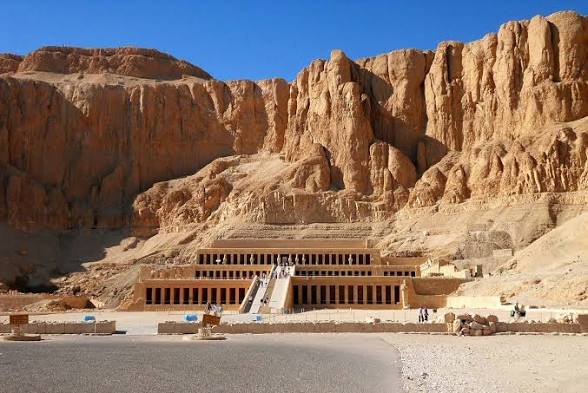
Across the Nile, the western side of Thebes became the resting place of kings and queens. The Valley of the Kings holds the tombs of many Egyptian rulers, including the famous young pharaoh Tutankhamun. The area also contains the remarkable Temple of Hatshepsut, built for one of Egypt’s most successful female rulers.
Thebes was more than a capital city, it was a spiritual landscape where ancient Egyptians connected earthly life with the divine. Temples were not simply places of worship but centres of learning, ceremonies, and cultural preservation.
The city represented the relationship between humanity, nature, and the spiritual world. Every stone carving, temple wall, and royal tomb carried messages about Egyptian beliefs, achievements, and hopes for eternity. Through these monuments, the voices of ancient Africans continue to speak to generations across the world.
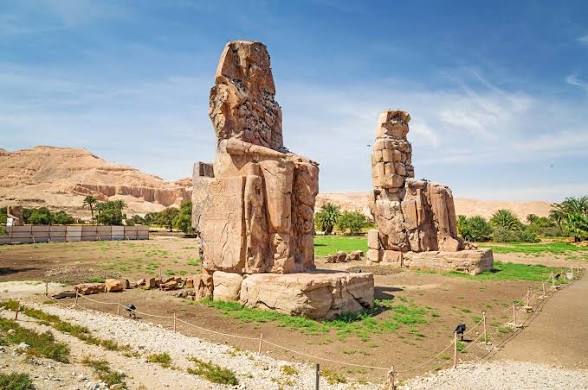
Thebes also reminds modern Africa and the world that African civilizations produced remarkable achievements in architecture, governance, art, and religion long before many modern societies existed. Its legacy challenges the world to recognize the depth and richness of Africa’s historical contributions.
Thebes remains a golden chapter in the story of Africa. Its temples stand like ancient poems carved in stone, its tombs preserve memories of forgotten kings, and its sacred grounds continue to carry the spirit of a civilization that refused to disappear.
The winds that move across Luxor today still carry echoes of the past, reminding humanity that greatness is not measured only by what is built in the present but by the legacies left for future generations. Thebes is not just an ancient city; it is a living testament to Africa’s eternal brilliance.
Thebes was the heartbeat of ancient Egypt, a city where pharaohs, priests, and builders shaped a legacy of temples, tombs, and sacred traditions along the Nile River. Its ruins still whisper stories of power, faith, and artistic brilliance from thousands of years ago, revealing the greatness of a civilization whose influence continues to inspire humanity across the world today forever.
© 2026 Ikeun Divine Michael | TalkAfricang.com


Comments (0)
Leave a Comment