
There was a time when men’s native wear was mostly the regular top and trousers, worn for weddings, church, mosque, and other special occasions. While that style is still loved today, fashion has evolved, and the kaftan has become one of the biggest statements in African menswear. What was once seen as a simple traditional outfit has now become a symbol of class, confidence, and modern African style. From young professionals to business owners and celebrities, more men are choosing kaftans because they are comfortable, stylish, and never go out of fashion.
One thing that makes the kaftan stand out is its versatility. You can wear it to a wedding, a birthday party, a business meeting, a dinner date, or even for a casual outing. Depending on the fabric and design, the same kaftan can give a formal or relaxed look without losing its elegance.
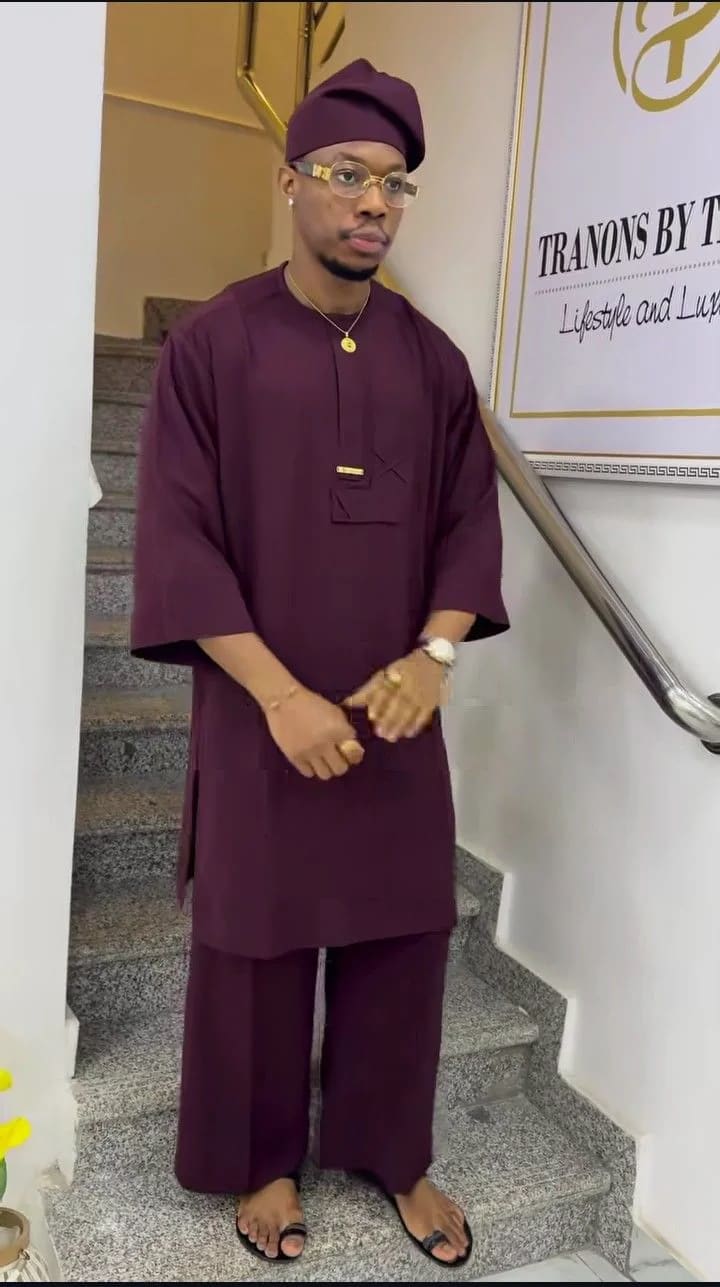
Today’s kaftans are also different from the ones we used to know. Some are neatly fitted, while others come in loose, baggy styles that offer both comfort and a bold fashion statement. This modern touch has made the kaftan even more appealing to younger men who want to look traditional without looking old-fashioned.
The beauty of a kaftan is often in the little details. Fine embroidery around the neckline or chest can completely transform a simple outfit. Adding a monogram gives it a personal and luxurious feel, while quality fabrics and neat tailoring make the outfit look even more expensive.
Styling is what truly completes the look. A matching cap, a classic wristwatch, and a pair of leather palm slippers can instantly elevate a kaftan. It creates that effortless “rich bro” appearance, not because of how expensive the outfit is, but because everything comes together so well.
And let’s be honest, a well-tailored kaftan gets noticed. There’s something about a man who wears one with confidence that naturally catches people’s attention. It’s clean, classy, and stylish without trying too hard, no wonder many people admire the look.
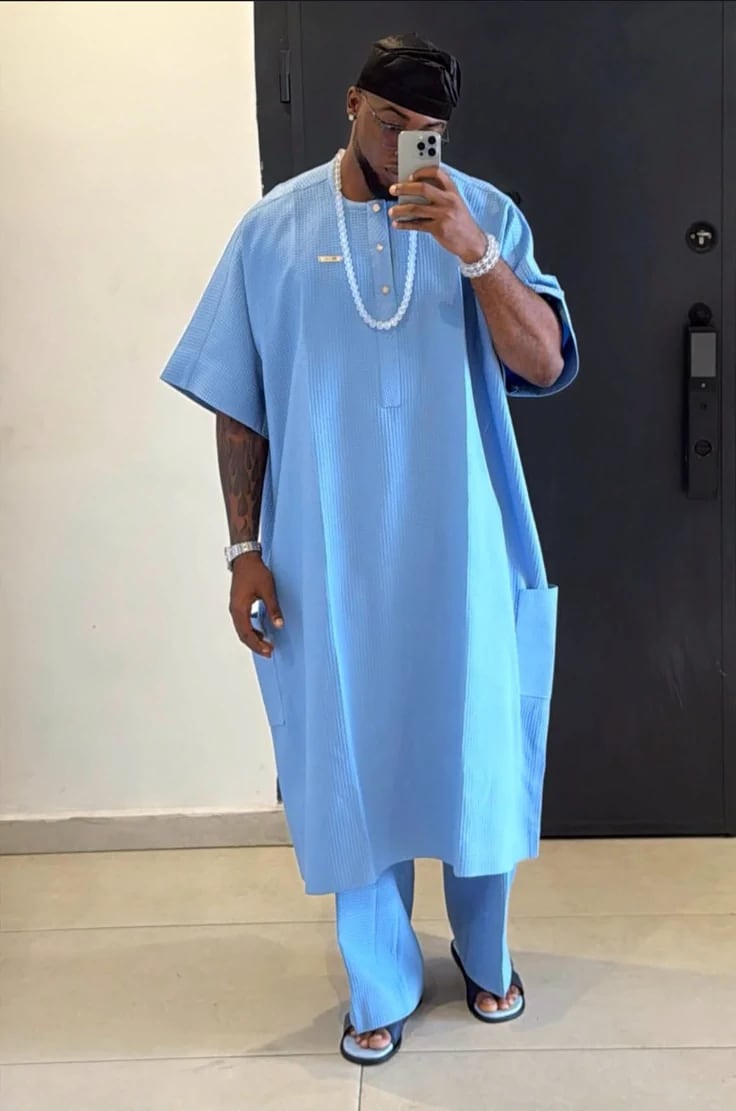
Colour also makes a difference. White always looks clean and elegant. Black gives a bold and sophisticated feel. Sky blue, wine, emerald green, beige, and brown each bring out different skin tones and personalities. The right colour doesn’t just complement your complexion; it boosts your confidence too. The African kaftan is no longer just traditional wear. It has become a lifestyle, blending culture with modern fashion. It reminds us that looking good doesn’t mean leaving our heritage behind. Sometimes, the most timeless style is the one that proudly celebrates where we come from.
©️Joy C. Popoola|TalkAfricang.com|2026


Comments (0)
Leave a Comment