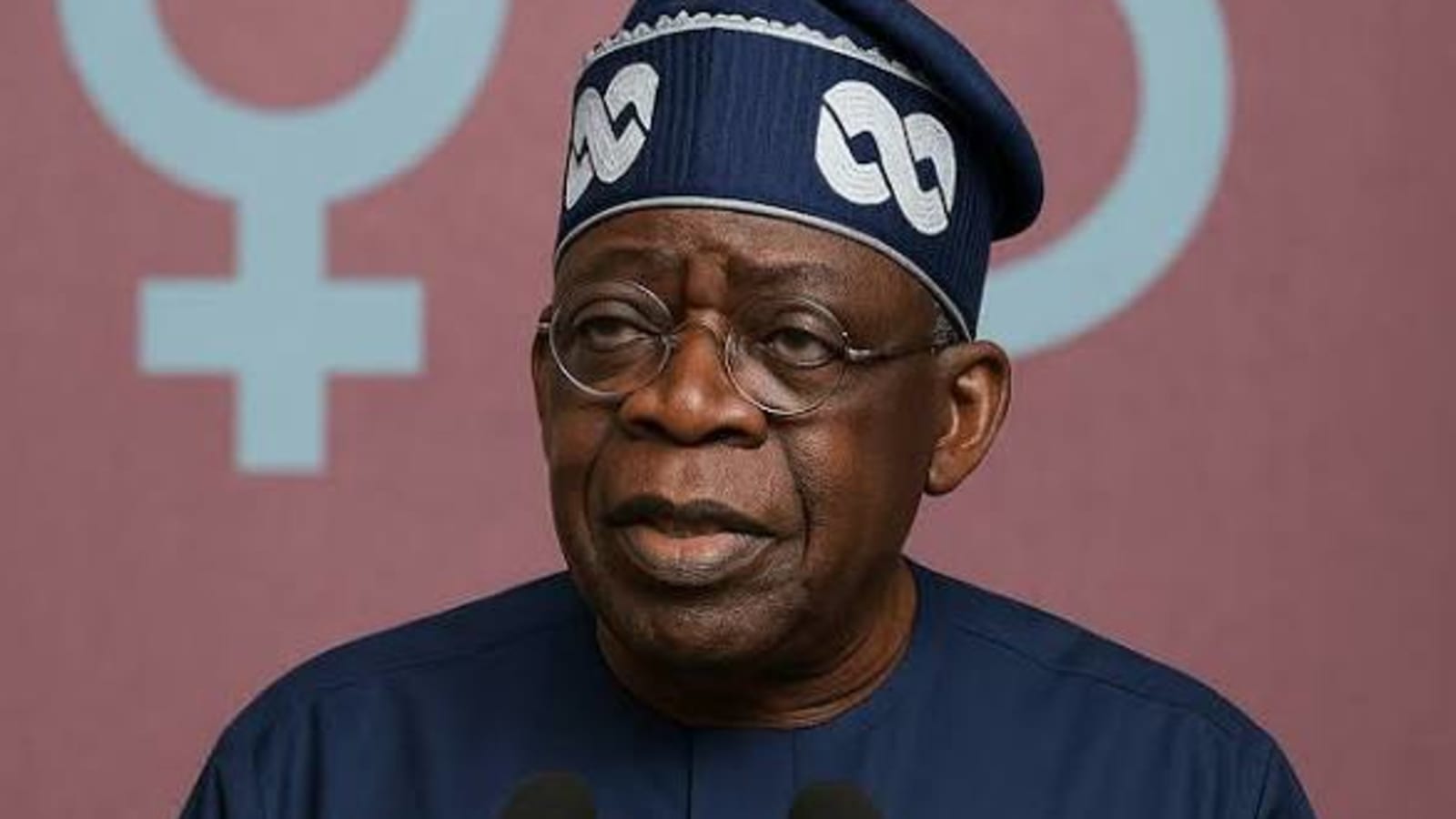
President Bola Ahmed Tinubu on Monday, July 27, 2026, declined to receive a special delegation from South African President Cyril Ramaphosa, choosing instead to have the visiting officials meet with Nigeria's Minister of State for Foreign Affairs, Ambassador Sola Enikanolaiye. The decision comes as diplomatic tensions continue over renewed xenophobic attacks targeting Nigerians and other African nationals in South Africa.
The South African delegation, led by Ronald Lamola, South Africa's Minister of International Relations and Cooperation, reportedly arrived in Abuja on Friday, July 24, carrying a message from President Ramaphosa and seeking an audience with President Tinubu. However, Presidency sources said the request was not scheduled in advance, and the President later directed the delegation to engage with the Ministry of Foreign Affairs instead.
Receiving the delegation in Abuja, Ambassador Sola Enikanolaiye explained that the meeting was held on the President's instruction.
He said
"President Bola Ahmed Tinubu had actually asked us to meet with you and exchange views and perspectives on how to address and resolve the ongoing Afrophobic attacks in South Africa, of which Nigerians, and other citizens of Africa, have been victims."
The meeting comes against the backdrop of renewed anti-immigrant violence in South Africa, where Nigerians and other African migrants have reportedly been attacked in recent months. Nigerian authorities say the incidents have strained diplomatic relations between the two countries and prompted the evacuation of many Nigerian nationals from South Africa.
During the discussions, Enikanolaiye expressed Nigeria's concern over what he described as recurring "Afrophobic attacks", stressing that while Nigeria does not support criminal activities by any of its citizens abroad, suspected offenders should face lawful prosecution rather than mob violence.
He said:
"If there are criminals, the solution is not to kill them. Get them arrested, prosecuted."
Responding on behalf of South Africa, Ronald Lamola reaffirmed his country's position against xenophobia, racism and discrimination, while pledging continued cooperation with Nigeria to address the situation.
President Tinubu's decision to delegate the meeting to the Ministry of Foreign Affairs has attracted attention because it comes at a time of heightened diplomatic sensitivity. While the move has been interpreted by some analysts as a diplomatic signal of Nigeria's dissatisfaction with the handling of attacks on its citizens, both governments have maintained that dialogue remains essential to preserving the longstanding relationship between Africa's two largest economies.
As both countries continue discussions, many Nigerians will be watching closely to see whether the renewed diplomatic engagement leads to stronger protections for Nigerians living in South Africa and more effective measures to prevent future attacks.
© 2026 Aliu Azeema |
TalkAfricang.com


Comments (0)
Leave a Comment