
Before independence fully settled across Africa, before television became common in African homes, a signal rose from the ancient city of Ibadan and changed the continent forever. That signal belonged to Western Nigeria Television, widely known as WNTV, the first television station in Africa.
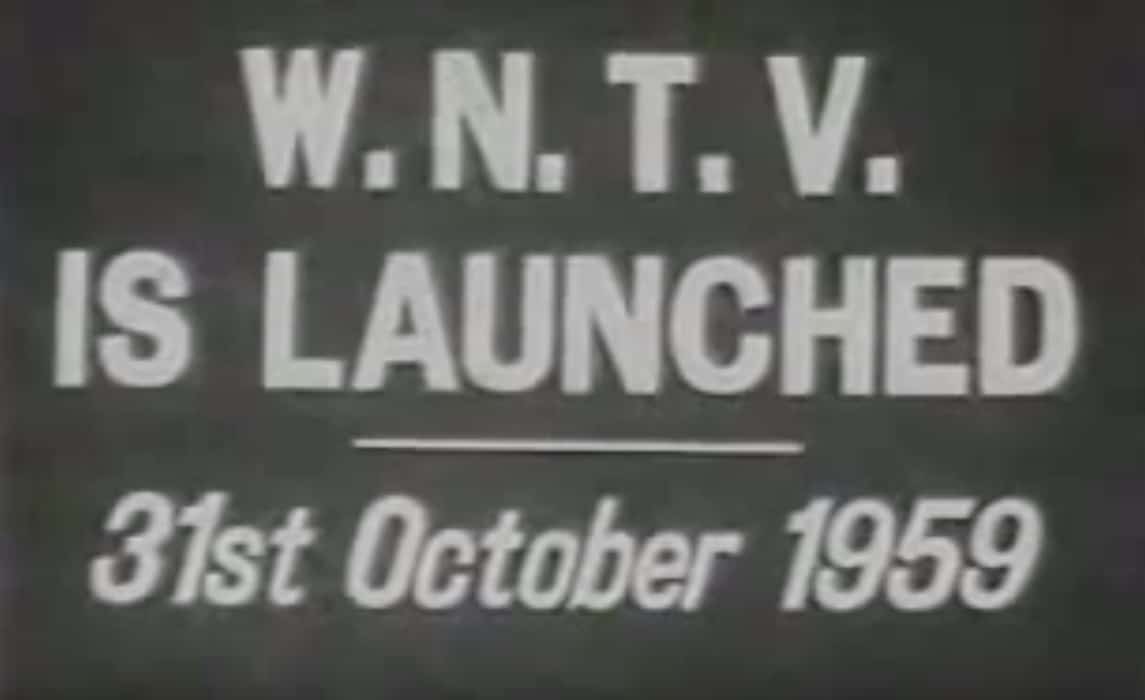
Officially launched on 31 October 1959 by the government of the old Western Region under the leadership of Obafemi Awolowo, WNTV was not merely a broadcasting station. It was a declaration of African capability during a period when colonial influence still heavily shaped the continent’s image and institutions. At a time when many African societies were still viewed through foreign lenses, Western Nigeria chose to create its own screen, its own voice, and its own narrative.
The establishment of WNTV emerged from the broader vision of the Western Nigerian government to invest deeply in education, communication, and public enlightenment. Alongside the already existing Western Nigeria Broadcasting Service (WNBS), the television station became part of a revolutionary media structure aimed at informing and educating the people. The station’s famous slogan, “First in Africa,” was not empty pride. It reflected a genuine historical achievement that placed Nigeria at the forefront of broadcasting innovation on the continent.
In its early years, WNTV transformed the cultural atmosphere of Western Nigeria. Families gathered around television sets in amazement as moving images carried news, theatre, music, education, and public discussions directly into homes. For many Nigerians, it was their first encounter with television. The experience felt almost spiritual. A glowing box suddenly connected communities to a larger world while still preserving their local identity.
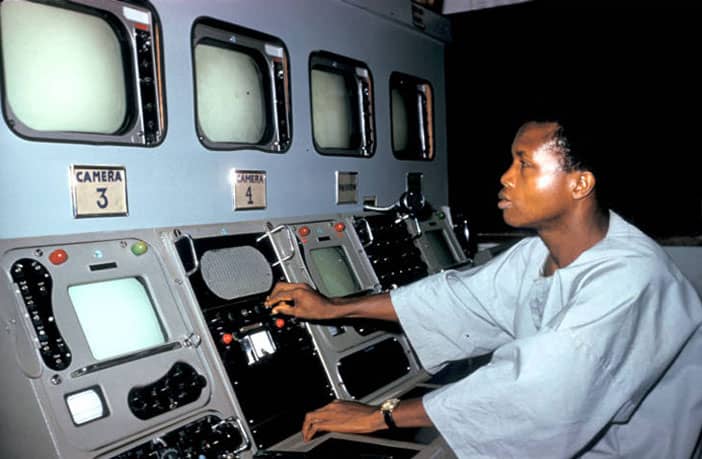
One of the station’s greatest contributions was its commitment to indigenous culture. Yoruba folklore, traditional music, stage plays, and local performances found space on television screens. Rather than allowing foreign content to dominate entirely, WNTV gave African stories dignity and visibility. This became deeply important in shaping cultural confidence during the years surrounding independence. Through its broadcasts, people saw themselves represented not as background figures in colonial narratives, but as creators of civilization, art, and intellect.
The station also played an educational role. Schools and public institutions benefited from educational broadcasts designed to spread knowledge beyond classroom walls. In many ways, WNTV became an extension of public learning. It demonstrated that television could serve society rather than exist purely for entertainment.
Historically, WNTV’s success inspired the growth of television broadcasting across Nigeria and Africa. Other regions and countries soon followed the path opened in Ibadan. The station laid foundations that would later influence Nigerian broadcasting networks, journalism, theatre, and eventually the rise of Nollywood itself. Many broadcasters, actors, and media pioneers who later shaped Nigerian entertainment passed through the influence of early television culture created by WNTV.
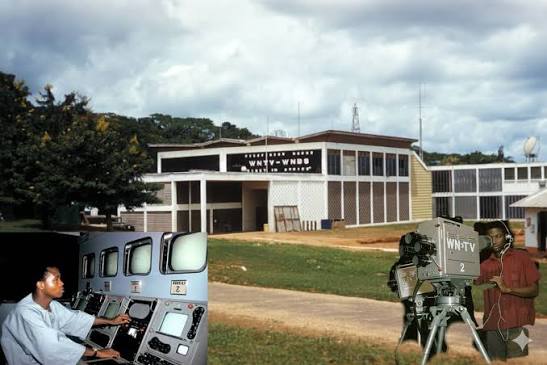
Today, the story of Western Nigeria Television remains one of Africa’s proudest technological and cultural milestones. It reminds modern generations that African innovation did not begin yesterday. Long before the digital age, Nigerians were already building systems capable of shaping minds and preserving identity.
In the heart of Ibadan, a screen once flickered to life. It carried more than pictures. It carried possibility. And through that light, Africa saw itself not as a continent waiting for the future, but as one already capable of creating it.
© 2026 Ikeun Divine Michael | TalkAfricang.com



Comments (0)
Leave a Comment