BANTU KNOTS: SYMBOLS OF HERITAGE AND POWER

BANTU KNOTS: SYMBOLS OF HERITAGE AND POWER

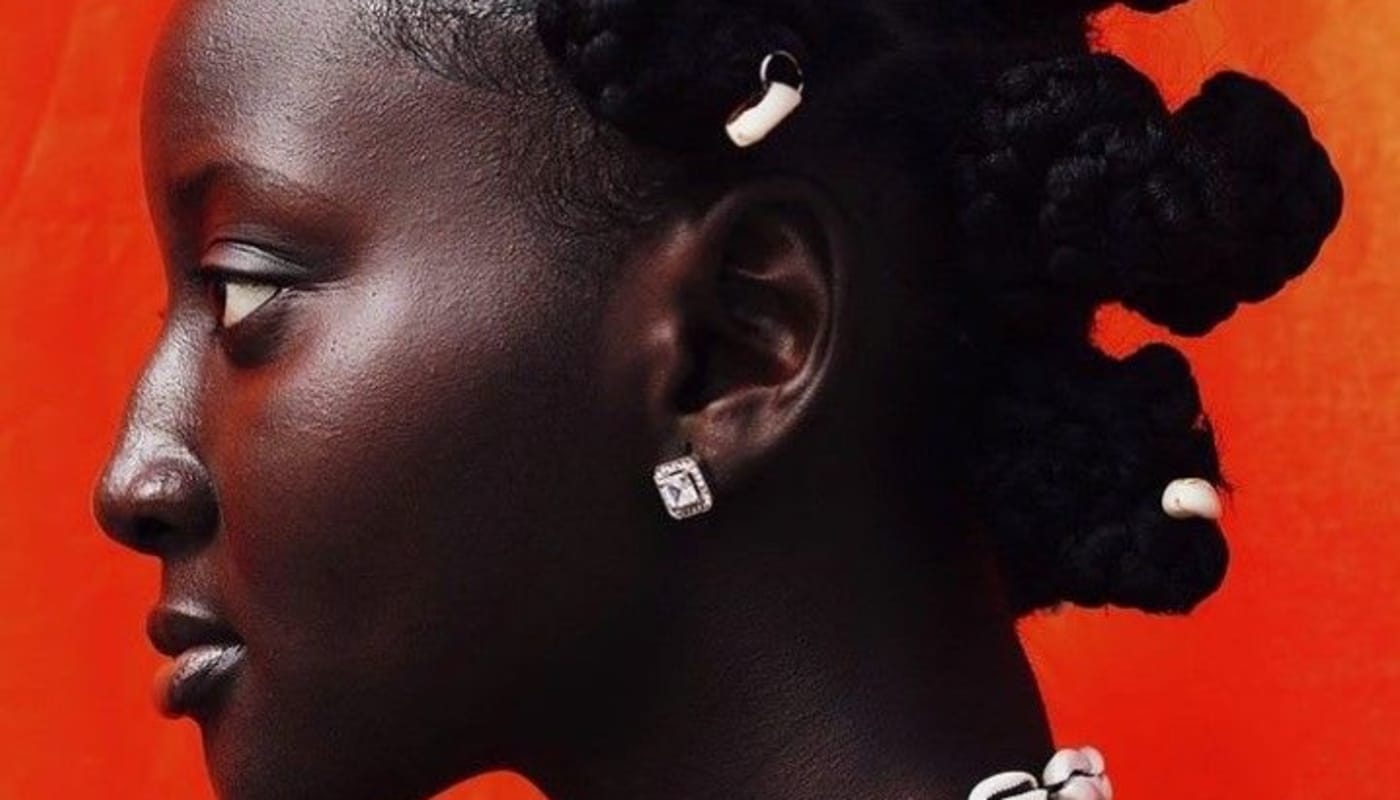
Small, coiled, and striking—Bantu knots are one of the most distinctive African hairstyles, carrying both cultural and historical significance.
1612469

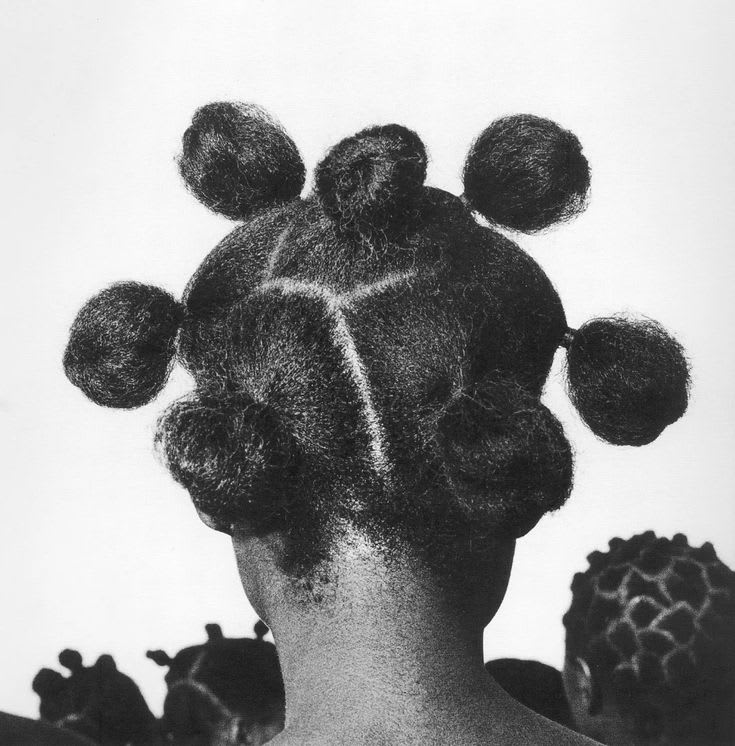
Bantu knots are commonly associated with the Zulu people of South Africa and are also called Zulu knots or Nubian knots. Their roots are connected to the broader hair traditions of southern Africa, where intricate grooming and hairstyling have long formed part of cultural expression.

A precise year of invention, however, is not established in the historical sources consulted. The hairstyle predates its contemporary popularity, and its exact beginnings are difficult to assign to a single individual, community or date.
1612470

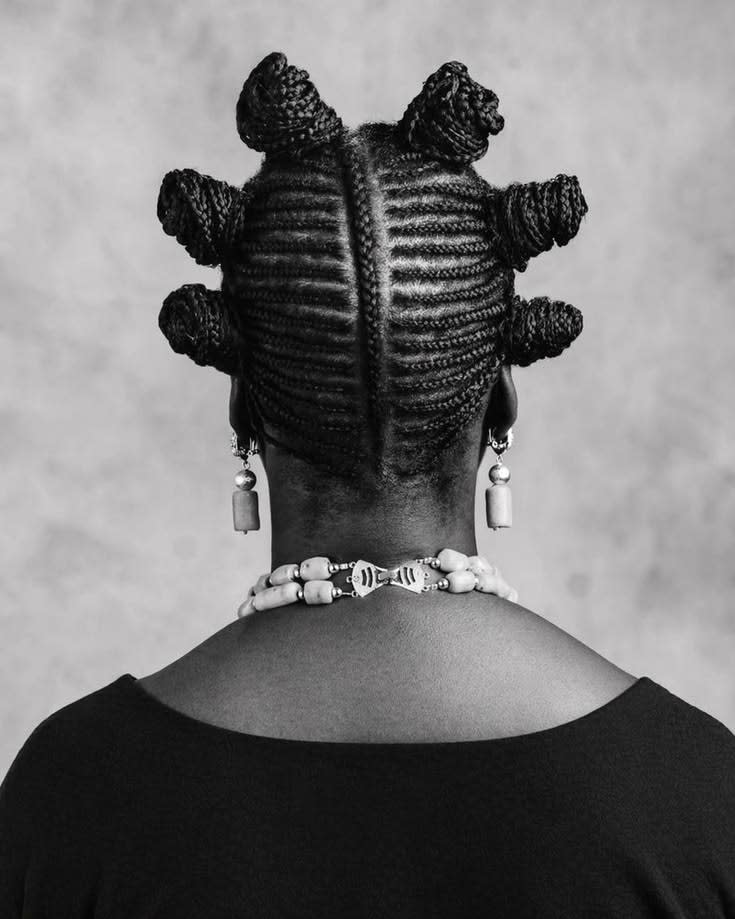
Bantu is a broad linguistic term associated with numerous African peoples who speak related languages. In isiZulu, abantu means “people.” South African History Online explains that the term has changed in meaning over time and was also used in discriminatory colonial and apartheid-era contexts.

Traditionally, Bantu knots were worn by women as a protective style, helping to maintain healthy natural hair. But beyond practicality, they also symbolized identity and cultural belonging.
1611587

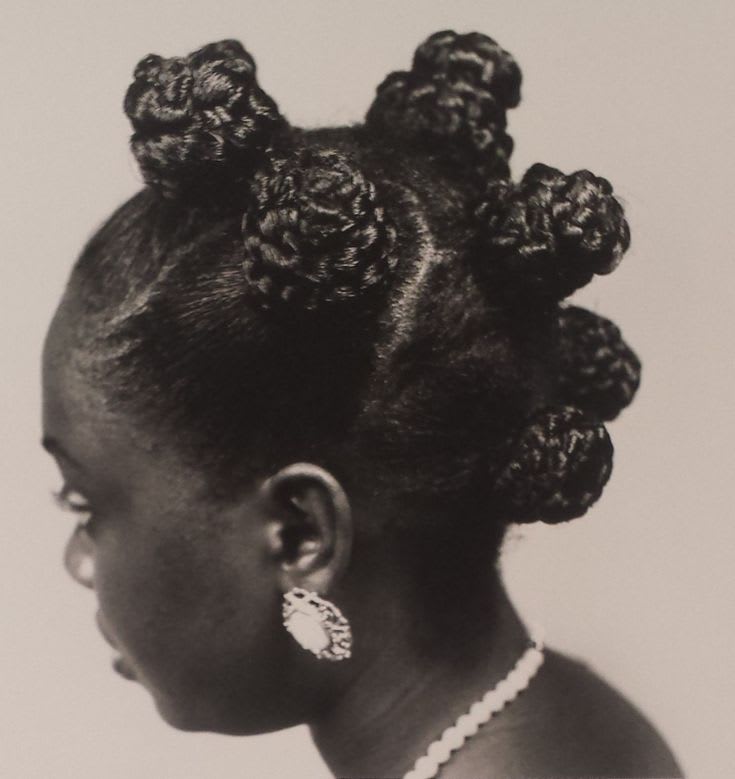
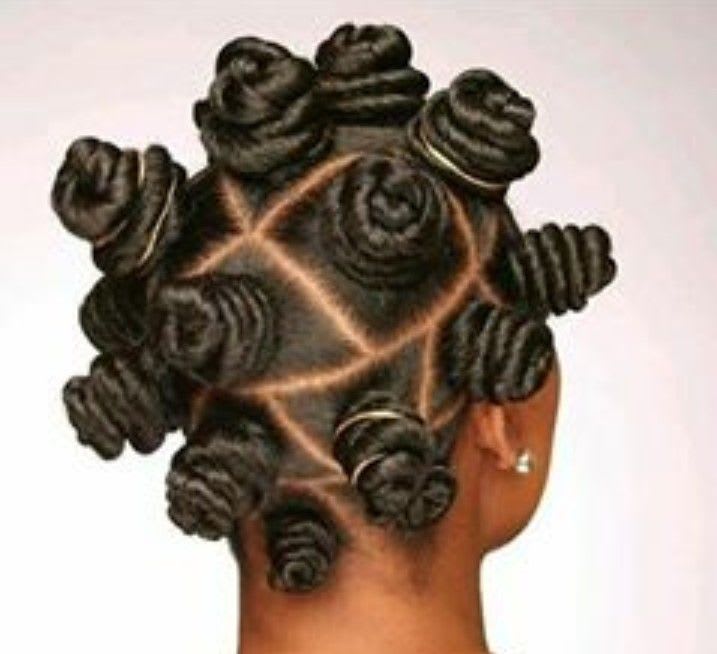
Creating Bantu knots requires dividing the hair evenly, twisting each section tightly, and securing it into a small bun. The result is a bold and beautiful pattern across the head.

In recent year, the story of Bantu knots did not end in southern Africa. African hairstyles travelled with people through migration, trade, colonial encounters and the forced displacement of Africans during the transatlantic slave trade. Across the African diaspora, hair practices were adapted, preserved and reinterpreted.
1612473

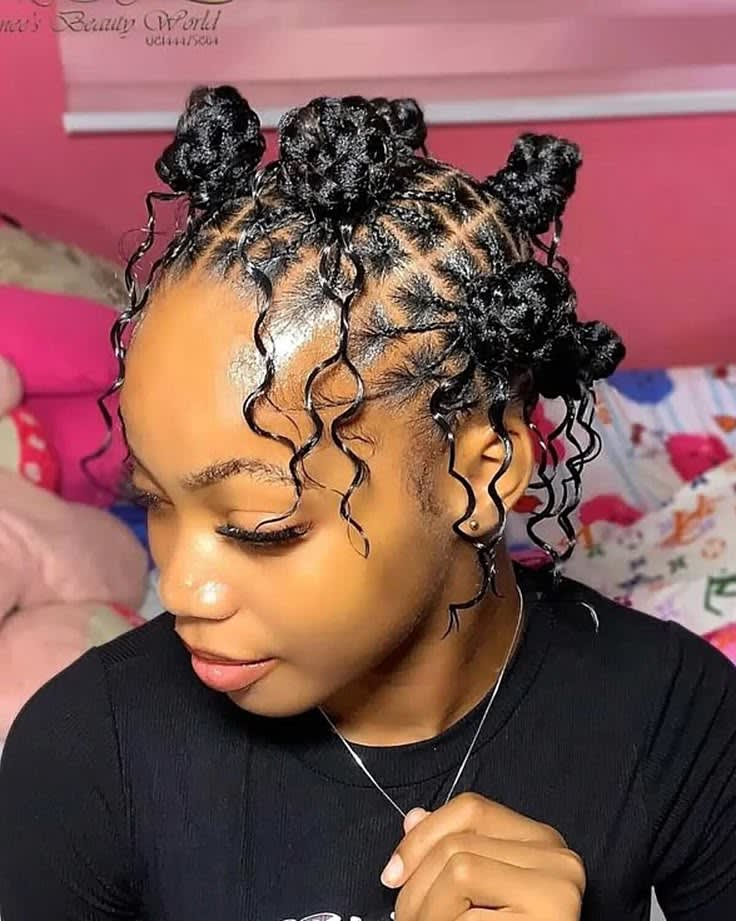
The modern natural-hair movement helped bring renewed attention to styles that celebrate Afro-textured hair. Bantu knots became popular both as a finished hairstyle and as a heat-free method of creating curls.

In the 2010s, the style appeared more prominently in international fashion and celebrity culture. Its visibility increased through runway presentations, beauty publications and photographs of public figures wearing it.

That visibility also sparked conversations about cultural recognition. In 2014 and 2015, fashion coverage sometimes described Bantu knots using alternative labels such as “mini buns.” The debates that followed highlighted a wider concern: African hairstyles can be presented as new fashion discoveries even when they have deep cultural histories.
1611564

From their southern African roots to their contemporary presence around the world, Bantu knots tell a story of continuity and change.

They show how a traditional hair practice can remain meaningful while adapting to new generations, new settings and new forms of self-expression. And they invite us to look beyond the appearance of a hairstyle—to the people, histories and craftsmanship behind it.

©2026 Adeola Mercy Kuyebi| Talkafricang.com

Filed under: lifestyle

Share this article

Comments (0)

Leave a Comment

0/1000
Loading comments...

BANTU KNOTS: SYMBOLS OF HERITAGE AND POWER

BANTU KNOTS: SYMBOLS OF HERITAGE AND POWER

Small, coiled, and striking—Bantu knots are one of the most distinctive African hairstyles, carrying both cultural and historical significance.

1612469

Bantu knots are commonly associated with the Zulu people of South Africa and are also called Zulu knots or Nubian knots. Their roots are connected to the broader hair traditions of southern Africa, where intricate grooming and hairstyling have long formed part of cultural expression.

A precise year of invention, however, is not established in the historical sources consulted. The hairstyle predates its contemporary popularity, and its exact beginnings are difficult to assign to a single individual, community or date.

1612470

Bantu is a broad linguistic term associated with numerous African peoples who speak related languages. In isiZulu, abantu means “people.” South African History Online explains that the term has changed in meaning over time and was also used in discriminatory colonial and apartheid-era contexts.

Traditionally, Bantu knots were worn by women as a protective style, helping to maintain healthy natural hair. But beyond practicality, they also symbolized identity and cultural belonging.

1611587

Creating Bantu knots requires dividing the hair evenly, twisting each section tightly, and securing it into a small bun. The result is a bold and beautiful pattern across the head.

In recent year, the story of Bantu knots did not end in southern Africa. African hairstyles travelled with people through migration, trade, colonial encounters and the forced displacement of Africans during the transatlantic slave trade. Across the African diaspora, hair practices were adapted, preserved and reinterpreted.

1612473

The modern natural-hair movement helped bring renewed attention to styles that celebrate Afro-textured hair. Bantu knots became popular both as a finished hairstyle and as a heat-free method of creating curls.

In the 2010s, the style appeared more prominently in international fashion and celebrity culture. Its visibility increased through runway presentations, beauty publications and photographs of public figures wearing it.

That visibility also sparked conversations about cultural recognition. In 2014 and 2015, fashion coverage sometimes described Bantu knots using alternative labels such as “mini buns.” The debates that followed highlighted a wider concern: African hairstyles can be presented as new fashion discoveries even when they have deep cultural histories.

1611564

From their southern African roots to their contemporary presence around the world, Bantu knots tell a story of continuity and change.

They show how a traditional hair practice can remain meaningful while adapting to new generations, new settings and new forms of self-expression. And they invite us to look beyond the appearance of a hairstyle—to the people, histories and craftsmanship behind it.

©2026 Adeola Mercy Kuyebi| Talkafricang.com
Filed under: lifestyle

Share this article

Comments (0)

Leave a Comment

0/1000
Loading comments...