
Edikang Ikong Soup: The Pride of Southern Nigerian Cuisine
Nigeria is blessed with a rich and diverse culinary culture, and among its most celebrated traditional dishes is Edikang Ikong soup. Originating from the Efik and Ibibio people of Akwa Ibom and Cross River States, this vegetable soup is widely admired for its rich taste, colorful appearance, and impressive nutritional value. Over the years, Edikang Ikong has grown beyond its regional roots to become one of the most loved soups across Nigeria and even among Africans in the diaspora.
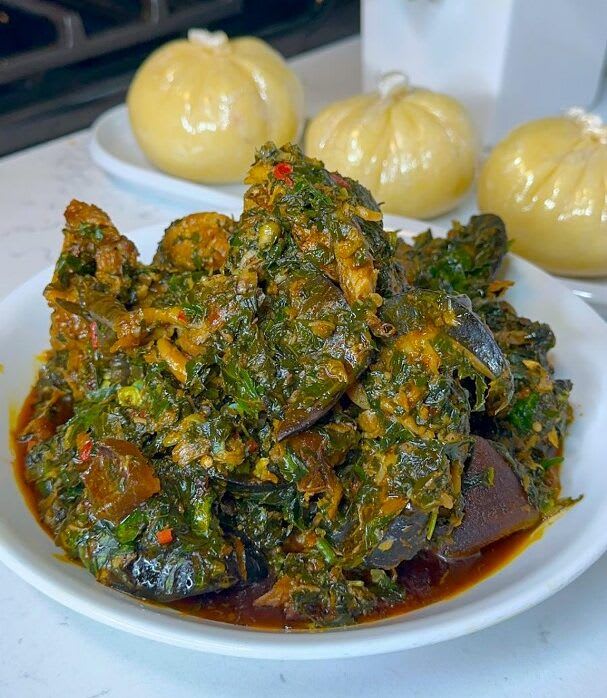
The name “Edikang Ikong” comes from the Efik language, where it simply means “vegetable soup.” Despite the simplicity of the name, the dish itself is luxurious and highly satisfying, often regarded as a soup reserved for special occasions because of the variety of ingredients used in preparing it.
The Main Ingredients
One of the things that makes Edikang Ikong unique is the abundance of fresh vegetables used in cooking it. The soup is primarily made with waterleaf and ugu leaves (pumpkin leaves). These vegetables give the soup its rich texture, vibrant green color, and nutritional benefits.
Other important ingredients include:
Palm oil
Assorted meat
Stockfish
Smoked fish
Crayfish
Periwinkle
Pepper
Onions
Seasoning and salt
The combination of seafood, meat, spices, and vegetables creates a deeply flavorful soup that is both delicious and nourishing.
Preparation Process
Preparing Edikang Ikong soup requires patience and attention to detail. The assorted meats and fish are first properly seasoned and cooked until tender. Palm oil is then heated before crayfish, pepper, and other ingredients are added to create a rich base.
The vegetables are usually added towards the end of the cooking process to preserve their freshness, nutrients, and bright green appearance. Waterleaf is often added first because it naturally contains water, while the sliced ugu leaves are added later to maintain their texture.
The final result is a thick, aromatic vegetable soup packed with flavors from the meat, seafood, spices, and leafy greens.
Nutritional and Health Benefits
Edikang Ikong is often described as one of the healthiest traditional soups in Nigeria. The vegetables used in the soup are rich in vitamins, iron, calcium, and antioxidants that support overall health and body development.
Some of the major health benefits include:
Boosting the immune system
Supporting healthy digestion
Providing essential nutrients for the body
Helping maintain healthy skin and eyesight
Supplying protein through fish and assorted meat
Because of its balanced nutritional value, the soup is enjoyed by both young and old people.
Cultural Importance
In Southern Nigeria, Edikang Ikong is more than just food; it is a symbol of hospitality, celebration, and tradition. The soup is commonly served during weddings, traditional ceremonies, family gatherings, and festive celebrations.
In many homes, preparing Edikang Ikong is considered a special activity because of the effort and ingredients involved. Serving the soup to visitors is often seen as a sign of respect and generosity.
Best Ways to Enjoy Edikang Ikong
Edikang Ikong soup is traditionally eaten with swallow foods such as:
Pounded yam
Garri (eba)
Fufu
Semovita
Amala
The rich texture of the soup blends perfectly with these side dishes, creating a satisfying and memorable meal experience.
Edikang Ikong Soup remains one of the finest examples of Nigeria’s rich culinary heritage. Its delicious taste, colorful presentation, and outstanding nutritional value have made it a favorite in many homes across the country and beyond. More than just a meal, Edikang Ikong represents culture, togetherness, and the beauty of traditional African cooking.
©2026|Osho Deborah|TalkAfricanNg.com


Comments (0)
Leave a Comment