
Uganda, often called the "Pearl of Africa," is one of the countries in the African continent with over fifty ethnic groups. Each of these ethnic groups have their own set of norms, traditions, culture, and customs, contributing to the country's rich cultural diversity. Amongst them, is the Baganda, one of the largest, most influential, and deeply rooted communities.
Geographical Location
The Baganda people and their traditional kingdom, the Bug and Kingdom, inhabit the central region of Uganda, where the capital city, Kampala, is located.
Although Uganda has embraced modernization, the Baganda have preserved many of their customs, traditions, and cultural practices, making their heritage one of the most visible aspects of everyday Ugandan life.
Leadership Structure
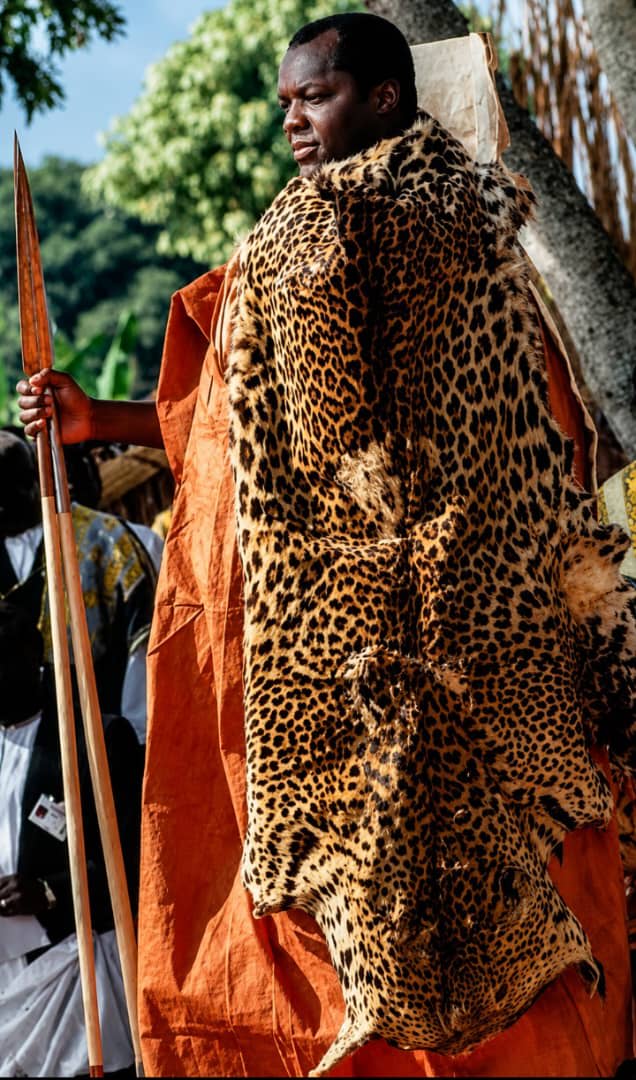
At the heart of the Baganda culture is their traditional monarch, known as the Kabaka. The Kabaka is deeply respected as the custodian of the people's customs, values, and traditions. His palace, known as the Lubiri, and other royal sites serve as a major cultural landmark, and continue to attract visitors interested in the kingdom's rich history.
Cultural Dress
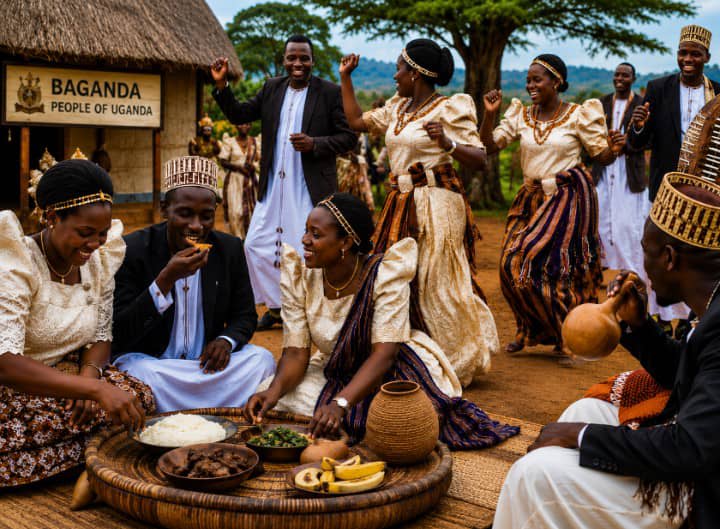
Traditional dressing remains an important symbol of Baganda identity, especially during weddings, introduction ceremonies, cultural celebrations, and religious occasions. Men wear the Kanzu, a long white robe that is often paired with a suit jacket for formal events. Women wear the elegant Gomesi, a brightly coloured, floor-length dress with broad, square-shaped shoulders and a sash tied around the waist. These garments are admired for their distinct nature, beauty, and elegance. They are proudly worn during important celebrations.
The Baganda Food
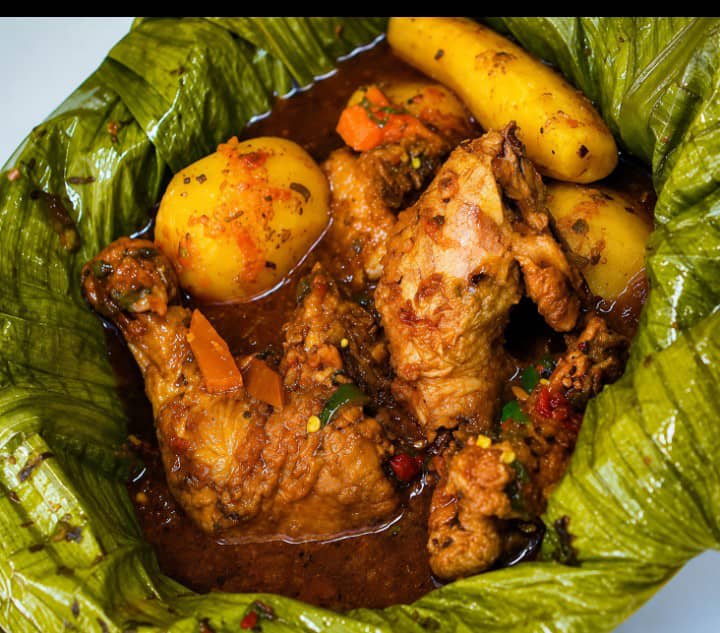
Food plays a central role in Baganda culture. Writing about the Baganda culture without mentioning their food makes it incomplete. The community's most famous staple food is Matooke, made from green bananas that are steamed until soft and then mashed. It is commonly served with groundnut sauce, beef, chicken, fish, beans, or vegetables. Another treasured delicacy is Luwombo, a traditional dish in which meat, chicken, fish, or groundnuts are wrapped in banana leaves and slowly steamed. This cooking method gives the food a rich aroma and distinctive flavour. Fresh fruits, cassava, sweet potatoes, and millet are also commonly enjoyed in many homes.
Cultural Entertainment
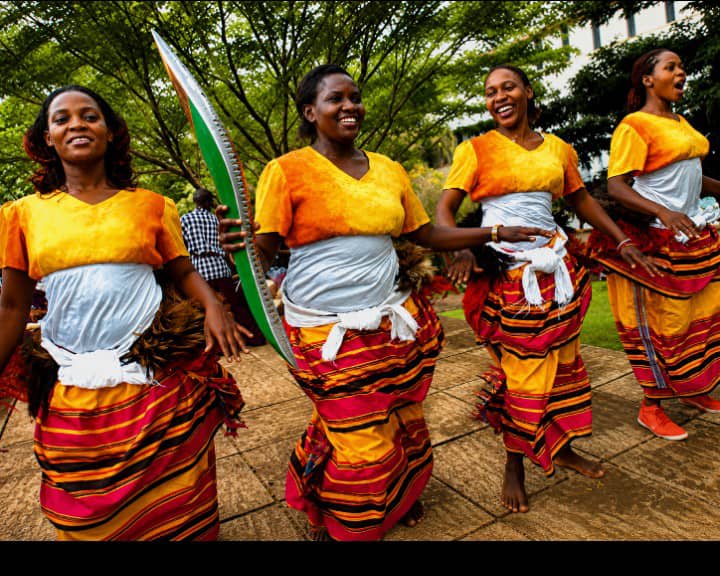
Music and dance are essential parts of Baganda social life. Traditional songs accompany ceremonies, storytelling, and celebrations, while drums provide the heartbeat of performances. The best-known traditional dances include Bakisimba, Nankasa, and Muwogola, each characterized by energetic footwork, graceful body movements, and rhythmic drumming. These dances are commonly performed during weddings, cultural festivals, royal ceremonies, and community gatherings, where they continue to entertain audiences and preserve the community's history.
Language of The People
Language is another important aspect of Baganda culture. The Baganda speak Luganda, one of Uganda's most widely spoken indigenous languages. Although English and Swahili are official languages used in schools, business, and government, Luganda remains the primary language of communication in many homes, markets, and communities across central Uganda.
Modern Baganda
Today, Baganda culture successfully blends tradition with modern life. While many people wear Western clothing for work or school, they proudly return to traditional attire during important ceremonies. Traditional foods remain popular despite the availability of international cuisine, and cultural dances continue to thrive through festivals, schools, and entertainment groups. This balance between preserving heritage and embracing modernity has helped the Baganda maintain a vibrant cultural identity that continues to shape Uganda's national culture.
The Baganda people demonstrate that culture is not only preserved in museums or history books but also in everyday life, through clothing, food, language, music, dance, and respect for tradition. Their customs remain a source of pride and continue to attract visitors from around the world who wish to experience the rich cultural heritage of Uganda.
Baganda!! The heart of Uganda!!
©️ 2026 Ezeh Nmesoma Lydia|
TalkAfricang.com


Comments (0)
Leave a Comment