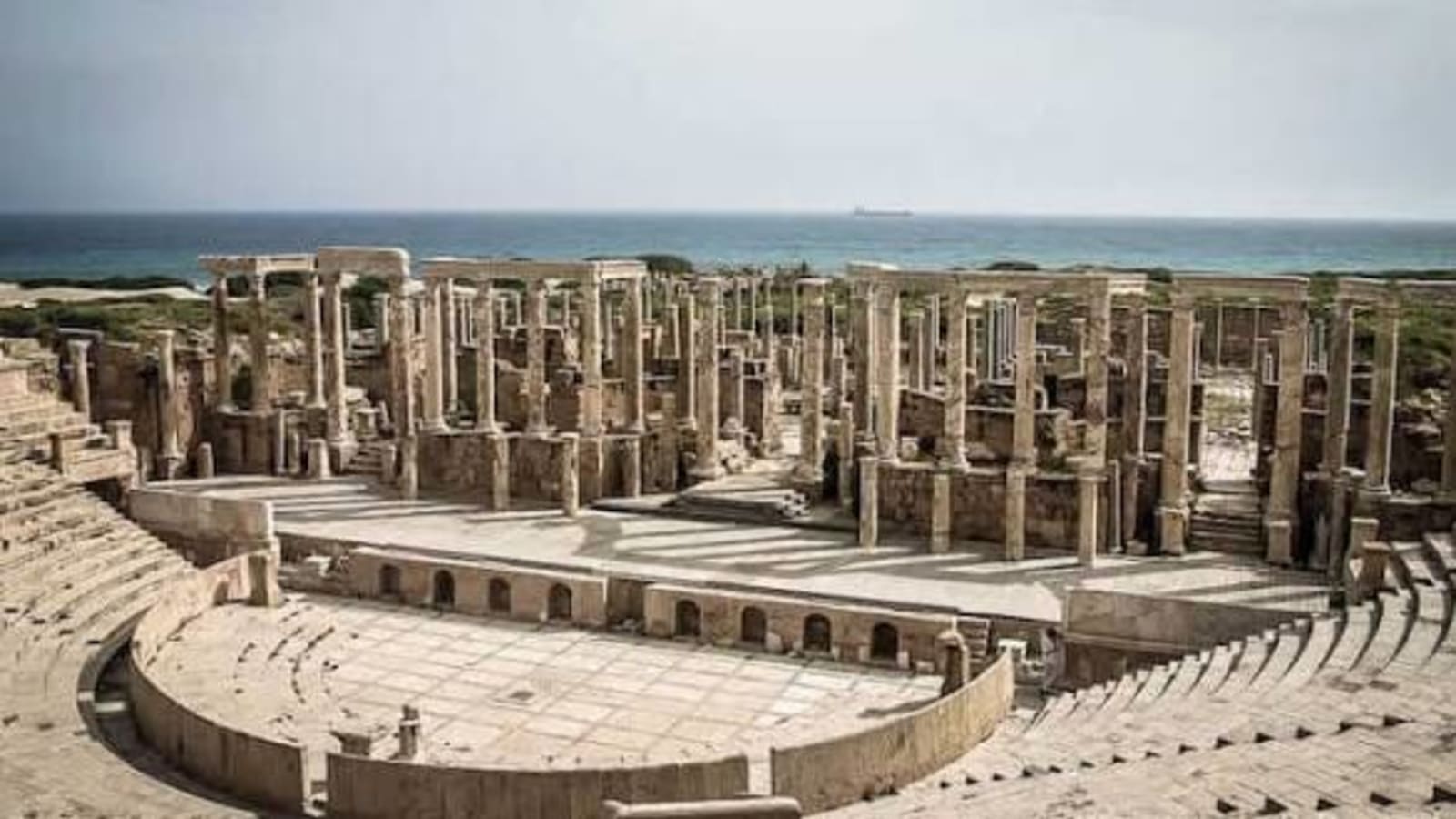
Hidden along the Mediterranean coastline of present-day Libya lies Leptis Magna, an ancient city whose silent ruins tell one of Africa's greatest historical stories. Often regarded as one of the finest surviving Roman cities anywhere in the world, Leptis Magna demonstrates that North Africa was not merely a distant province of Rome but one of its most prosperous and influential regions.
The city was originally founded by the Phoenicians around the 7th century BC. Its strategic coastal location made it an important trading settlement where merchants exchanged olive oil, grain, livestok, ivory, and other valuable goods between Africa, Europe, and the Middle East. Over time, Leptis Magna came under Carthaginian influence before eventually becoming part of the Roman Empire after the fall of Carthage.
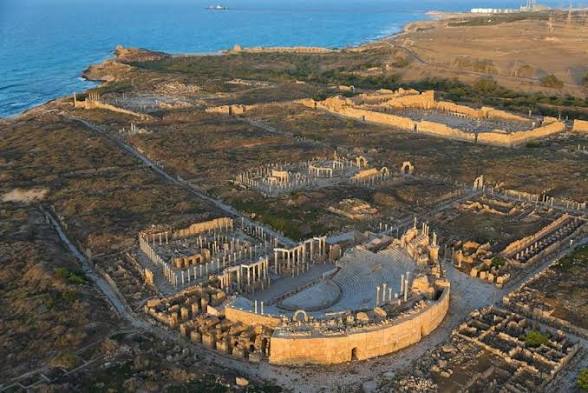
Its greatest period of prosperity came during the reign of the Roman Emperor , who was born in Leptis Magna in AD 145. Proud of his African homeland, Severus transformed the city into one of the empire's grandest urban centers. He commissioned magnificent public buildings, expanded the harbor, and constructed impressive roads, temples, baths, marketplaces, and monuments that reflected both Roman engineering and African importance.
Among its most remarkable structures are the Severan Basilica, the Arch of Septimius Severus, the enormous amphitheater, elegant public baths, and a bustling marketplace. These monuments reveal the city's wealth, sophisticated architecture, and vibrant civic life. Wide stone-paved streets lined with towering columns still stand today, allowing visitors to imagine the grandeur that once filled the city.
Leptis Magna was more than a political and commercial center. It became a meeting place where Roman, Phoenician, Berber, and African traditions blended together. This cultural exchange influenced architecture, language, commerce, and everyday life, making the city a remarkable example of Africa's contribution to the ancient Mediterranean world.
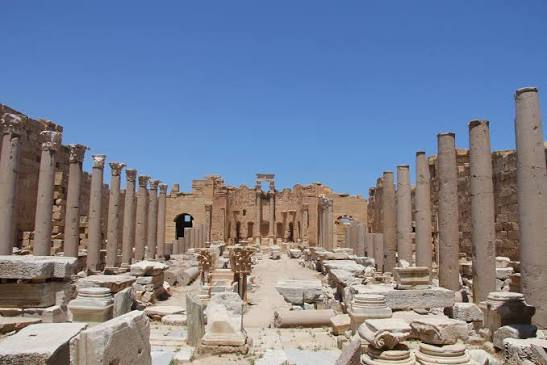
The city's decline began during the third century as political instability, economic challenges, and invasions weakened Roman control. Over time, trade diminished, and the once-thriving metropolis was gradually abandoned. Layers of desert sand eventually covered much of the city, unintentionally protecting its buildings from destruction for centuries.
Today, Leptis Magna is recognized as a and remains one of Africa's most extraordinary archaeological treasures. Its remarkably preserved ruins continue to attract historians, archaeologists, and travelers eager to witness the grandeur of an ancient civilization that flourished on African soil.
Leptis Magna reminds us that Africa has always stood at the crossroads of civilization. Long before modern borders were drawn, this city connected continents, cultures, and ideas through trade, leadership, and innovation. Every weathered stone bears witness to an era when Africa helped shape one of history's greatest empires.
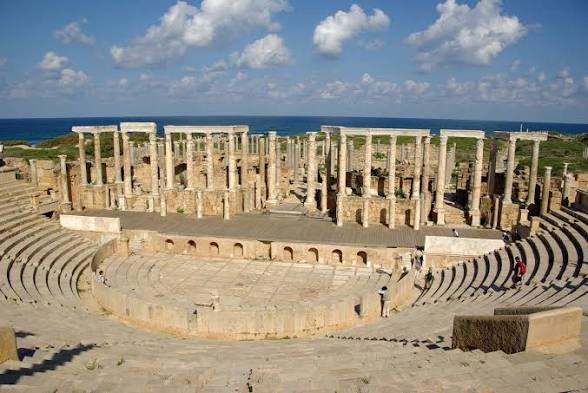
History does not always shout through towering capitals or famous battlefields. Sometimes, it whispers through abandoned streets where the echoes of merchants, builders, emperors, and dreamers still linger. In Leptis Magna, the desert has not buried Africa's past—it has preserved it, waiting for every generation to rediscover the greatness written in its stones.
© 2026 Ikeun Divine Michael |TalkAfricang.com


Comments (0)
Leave a Comment