
In the Democratic Republic of the Congo, a group of visionary artists has found an extraordinary way to confront the country's social and environmental challenges; not through speeches or protests, but through wearable works of art.
Each year, the streets of Kinshasa come alive during the KinAct Festival, an annual celebration of performance art founded in 2015 by Congolese artist Eddy Ekete and French artist Aude Bertrand. More than just an art festival, KinAct is a platform for social activism where artists transform discarded materials into elaborate costumes that tell powerful stories about life in the Democratic Republic of the Congo.
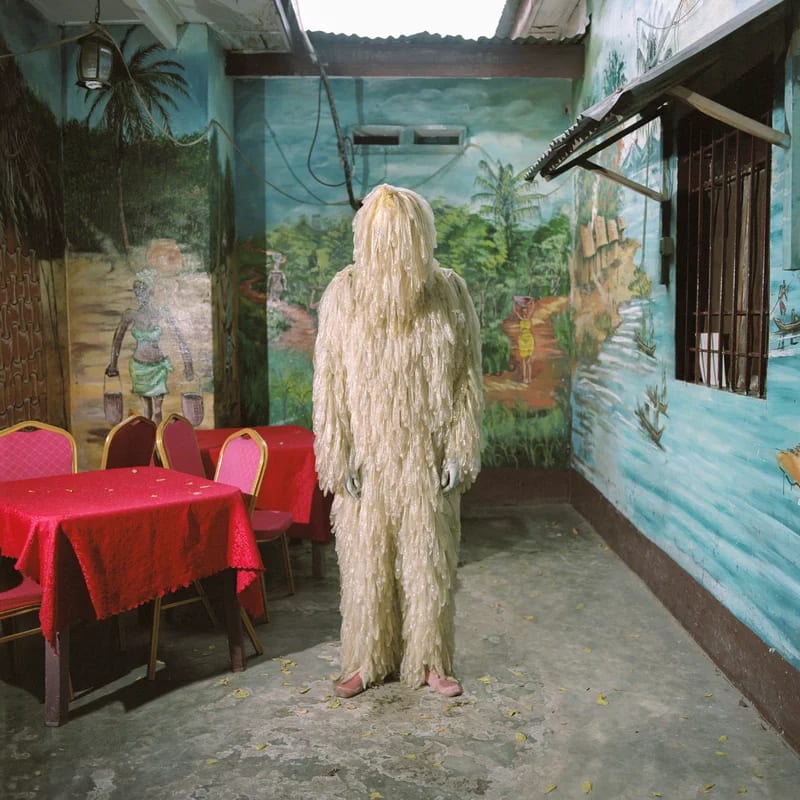
Using objects such as plastic bottles, scrap metal, old mobile phones, tangled electrical wires, artificial hair, discarded medicine packs, unrolled condoms and worn-out car parts, these artists create striking masquerade-like costumes that highlight pressing issues including pollution, waste management, poverty, poor infrastructure, counterfeit medicines, overconsumption and inadequate healthcare. Their performances encourage residents to reflect on their role in building a better society.
Among the remarkable artists is Tickson Mbuyi, whose eye-catching costume made from unrolled condoms promotes awareness about sexual health and HIV prevention.
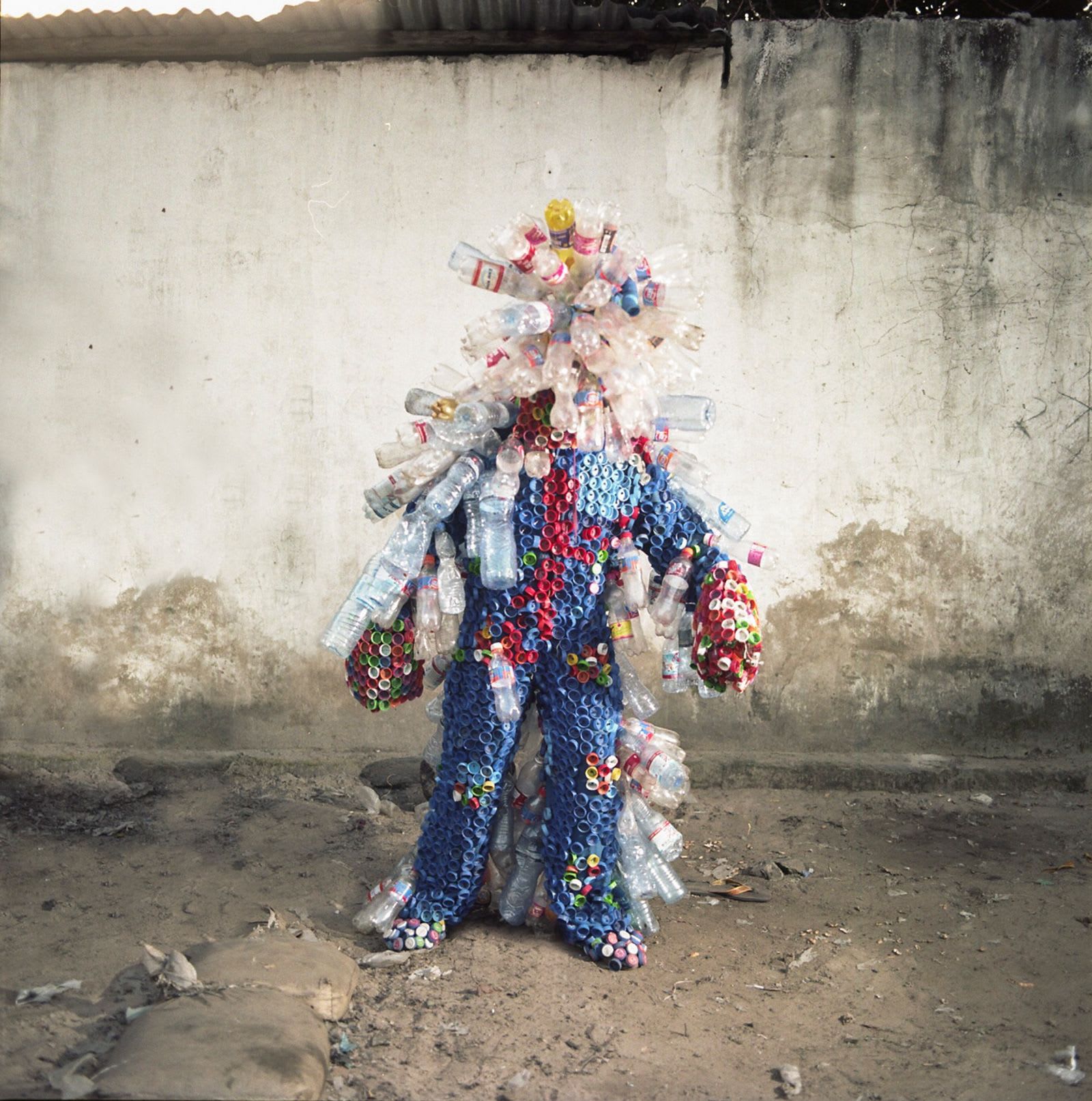
Junior Mungongu created an interactive costume from discarded plastic bottles and bottle caps to draw attention to the city's growing plastic pollution.
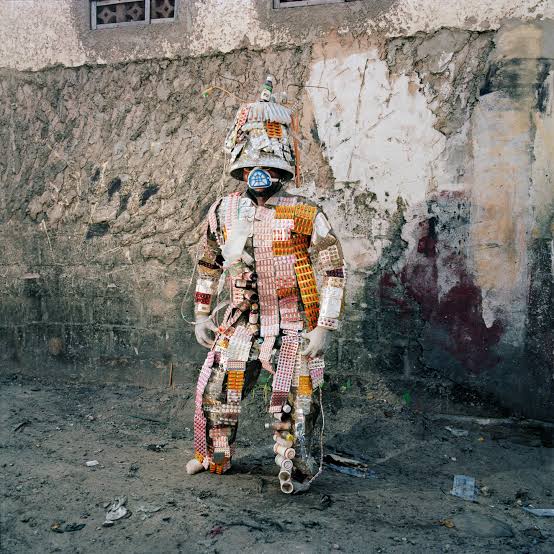
Florian Sinanduku designed costumes made from empty medicine packets and syringes to highlight the dangers of counterfeit drugs.
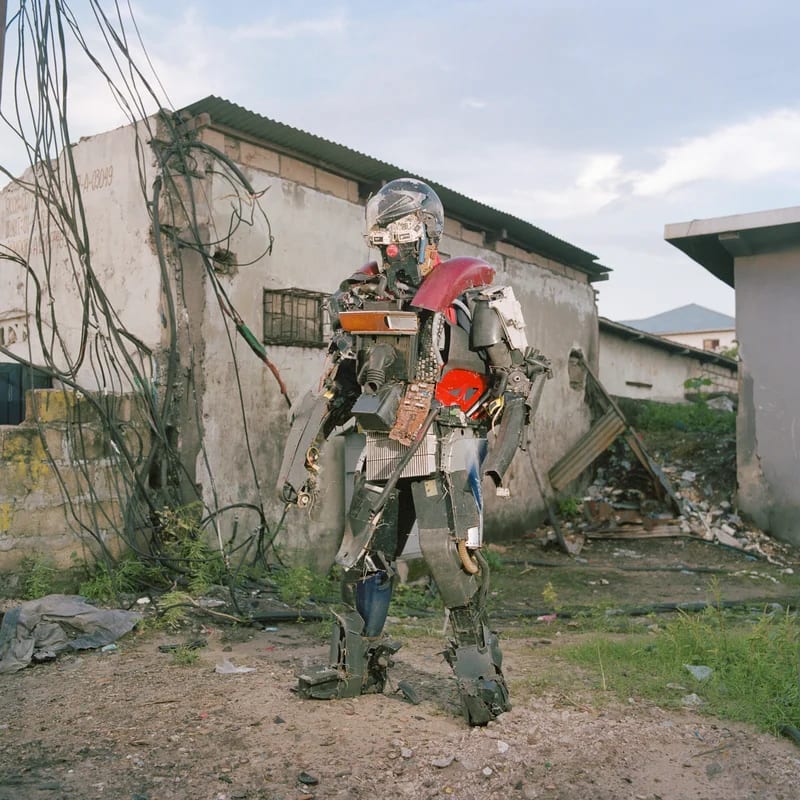
Jean Precy Numbi Samba used salvaged car parts to reflect on industrial waste and urban decay.
Other notable contributors include Falonne Mambu, whose costume woven from electrical wires represents the country's unrealised electricity potential; Hemock Kilomboshi, who works with engine parts and pipes; Jared Kalenga, who creates pieces from discarded radio components; Nada Thsibwabwa, whose costume made from old mobile phones comments on electronic waste and the country's mineral wealth; David Baketimina, who uses artificial hair; and Abdoulaye Kinzonzi Kiakanda, who transforms plastic bags into wearable art.
The costumes also symbolise traditional African masquerades, blending cultural heritage with contemporary social commentary. Every performance becomes a moving exhibition, reminding audiences that even society's discarded materials can be transformed into symbols of hope, resilience and resistance.
The movement has gained international recognition through the work of Belgian documentary photographer Colin Delfosse, whose acclaimed photo series Fulu Act; "fulu" meaning "waste" in Lingala, captures these artists in their extraordinary creations while amplifying their message to a global audience. French artist and photographer Stéphan Gladieu has also documented these powerful performances, showcasing the creativity, patriotism and determination of Congolese artists who continue to prove that art can be one of the most powerful tools for social change.
© Aisha Egena-Aruwa | talkafricang.com


Comments (0)
Leave a Comment