Ghana Marks Independence Day with National Pride

Ghana Marks Independence Day with National Pride

Ghana today celebrates its Independence Day,

commemorating the historic moment the West African nation gained freedom from British colonial rule on March 6, 1957. The day remains one of the most significant milestones in Ghana’s history, symbolizing the triumph of self-determination and the birth of a sovereign African state.

Independence Day celebrations across the country are marked by parades, cultural displays, patriotic speeches, and national reflection. Government officials, traditional leaders, students, and citizens gather in major cities, especially in Accra, to honour the sacrifices of those who fought for the country’s freedom.

The struggle for independence was led by nationalist leader Kwame Nkrumah, whose vision and political mobilization helped transform the then Gold Coast into modern-day Ghana. Upon independence, Nkrumah declared that the nation’s freedom would be meaningless unless it was linked with the total liberation of Africa—words that later inspired independence movements across the continent.

Ghana’s independence in 1957 made it the first sub-Saharan African country to break free from European colonial rule, setting a powerful precedent for other African nations seeking sovereignty during the wave of decolonization in the mid-20th century.

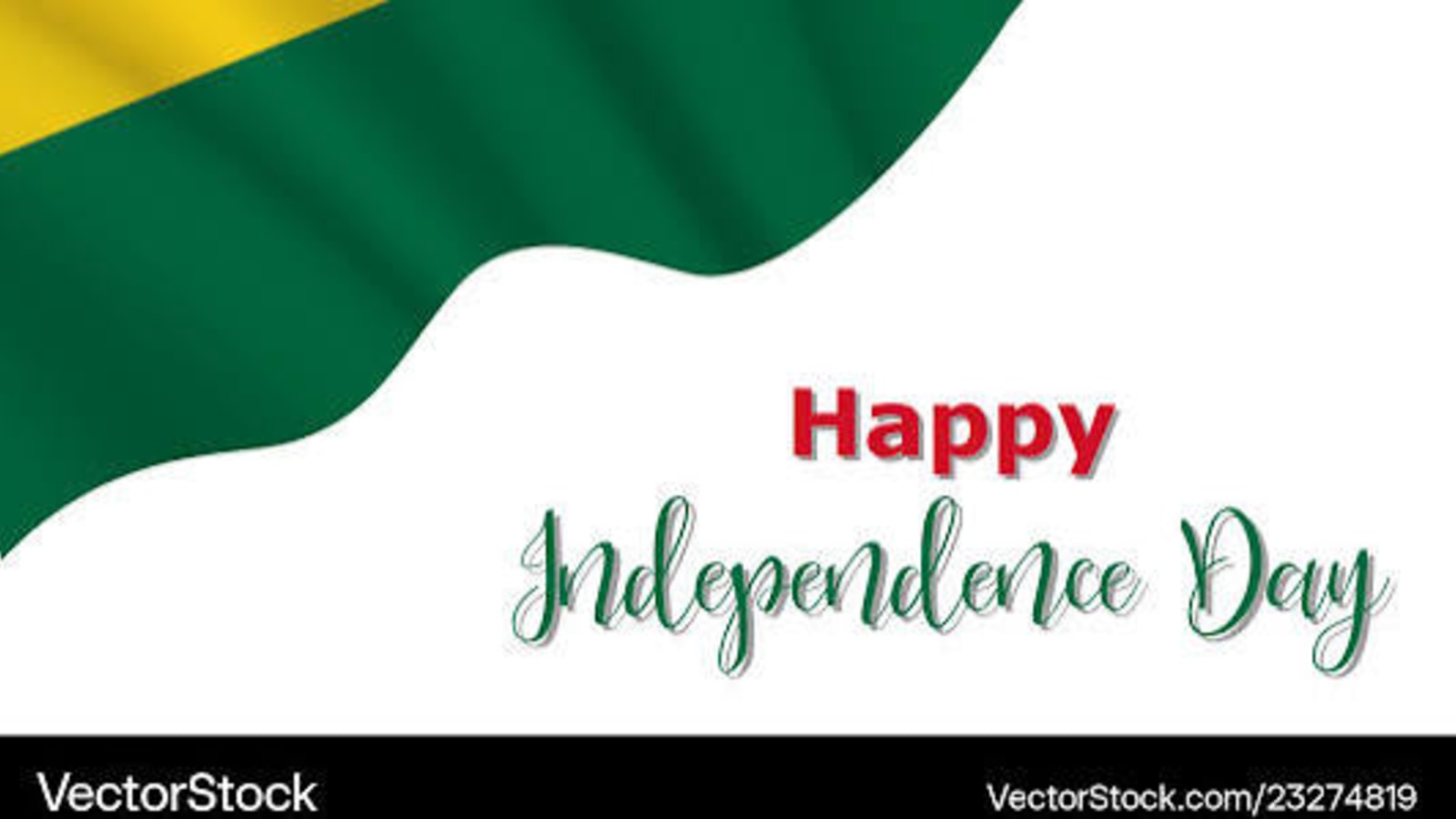
Today, the celebration serves not only as a remembrance of the past but also as a call for unity, progress, and national development. As citizens wave the red, gold, and green flag with pride, the country reflects on its journey since independence and renews its commitment to building a stronger and more prosperous nation.

Filed under: newsfun facts

Share this article

Keep Reading

More stories you might find interesting

Nigeria Confirms Ebola Case in Abuja as Health Authorities Trace 44 Contacts
health

Nigeria Confirms Ebola Case in Abuja as Health Authorities Trace 44 Contacts

Nigeria has confirmed an imported case of Ebola virus disease in the Federal Capital Territory, Abuja, after laboratory tests returned positive for a woman who recently travelled from Uganda, prompting health authorities to begin tracing people who may have been exposed to the infection. The Coordinating Minister of Health and Social Welfare, Professor Muhammad Ali Pate, confirmed the case on Tuesday, 20 October, stating that the patient had been isolated and was receiving medical care at a private hospital in Abuja. According to the minister, health officials have identified 44 contacts and commenced efforts to determine whether anyone else may have been exposed to the virus.

Beyond the Benue Valley: The Timeless Mystique and Pride of the Idoma
fun-facts

Beyond the Benue Valley: The Timeless Mystique and Pride of the Idoma

Beyond the Benue Valley: The Timeless Mystique and Pride of the Idoma In the lush heart of central Nigeria lives a community whose identity is worn like a badge of honour, woven in fiery red, grounded in deep black, and guarded by an unspoken reverence for their ancestors in Africa.

Don't Sweep Away Your Blessings: The Belief Behind Sweeping at Night
african-history

Don't Sweep Away Your Blessings: The Belief Behind Sweeping at Night

Cultural beliefs often survive through simple, everyday conversations. A child hears a warning from an older relative, remembers it and may eventually repeat it to someone else. Over time, the words become familiar, even when their original meaning is no longer clear. People may continue such practices because they believe in them, respect their elders or simply feel comfortable following familiar household traditions.

Comments (0)

Leave a Comment

0/1000
Loading comments...

Ghana Marks Independence Day with National Pride

Ghana Marks Independence Day with National Pride

Ghana today celebrates its Independence Day,

commemorating the historic moment the West African nation gained freedom from British colonial rule on March 6, 1957. The day remains one of the most significant milestones in Ghana’s history, symbolizing the triumph of self-determination and the birth of a sovereign African state.

Independence Day celebrations across the country are marked by parades, cultural displays, patriotic speeches, and national reflection. Government officials, traditional leaders, students, and citizens gather in major cities, especially in Accra, to honour the sacrifices of those who fought for the country’s freedom.

The struggle for independence was led by nationalist leader Kwame Nkrumah, whose vision and political mobilization helped transform the then Gold Coast into modern-day Ghana. Upon independence, Nkrumah declared that the nation’s freedom would be meaningless unless it was linked with the total liberation of Africa—words that later inspired independence movements across the continent.

Ghana’s independence in 1957 made it the first sub-Saharan African country to break free from European colonial rule, setting a powerful precedent for other African nations seeking sovereignty during the wave of decolonization in the mid-20th century.

Today, the celebration serves not only as a remembrance of the past but also as a call for unity, progress, and national development. As citizens wave the red, gold, and green flag with pride, the country reflects on its journey since independence and renews its commitment to building a stronger and more prosperous nation.

Filed under: newsfun facts

Share this article

Comments (0)

Leave a Comment

0/1000
Loading comments...