NASS to Translate Laws into Igbo, Hausa, Yoruba

NASS to Translate Laws into Igbo, Hausa, Yoruba

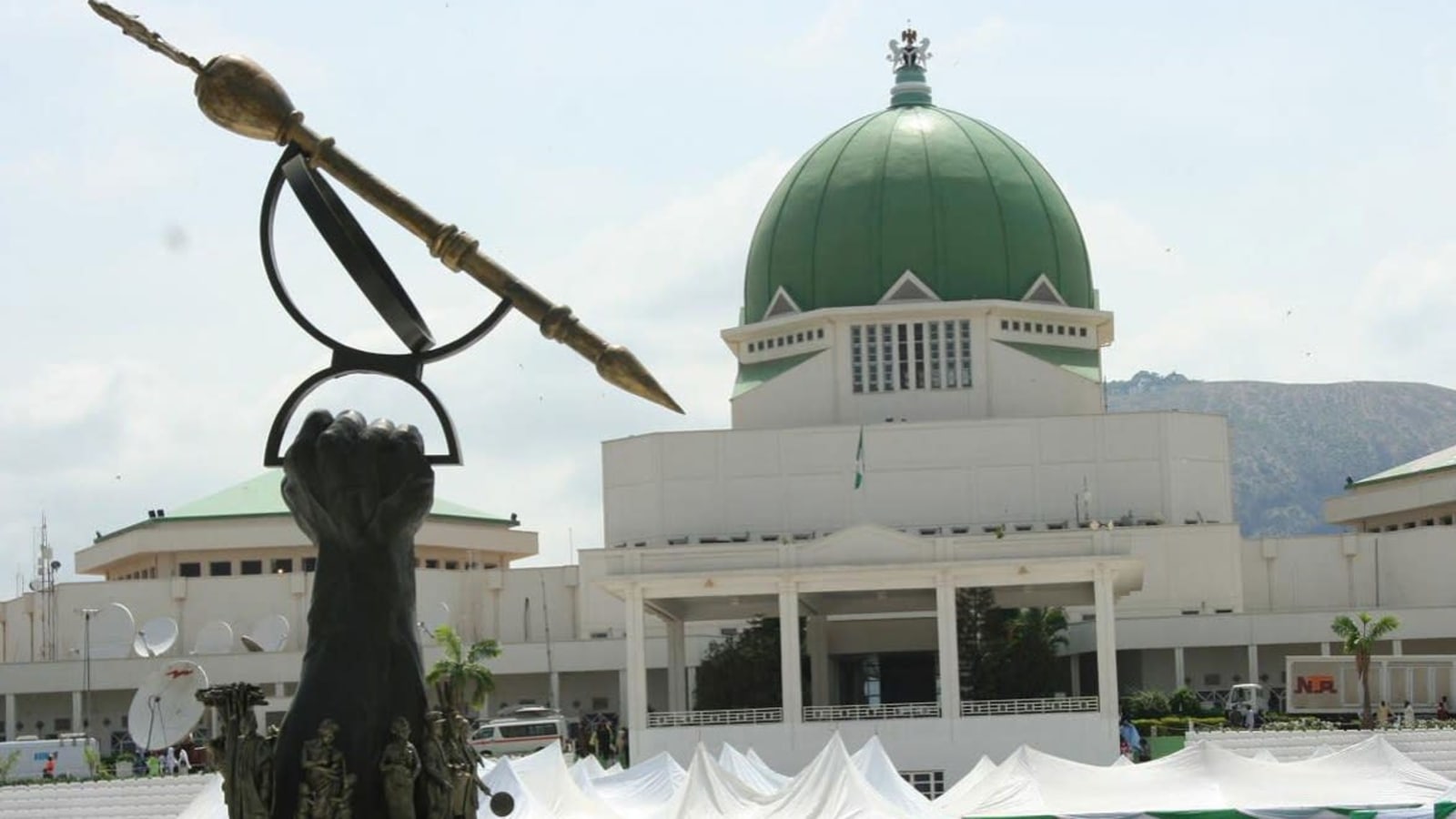
The National Assembly is planning to translate Nigerian laws into indigenous languages, including Igbo, Hausa and Yoruba, as part of efforts to make legislative information more accessible to citizens across the country.

The Executive Secretary of the National Assembly Library Trust Fund, Henry Nwawuba, disclosed this on Monday, September 28, 2026, during the opening of the 2026 National Assembly Library Week in Abuja.

The three-day event, themed “Parliamentary Memory: Connecting Records, Legislation and the People,” is focused on promoting legislative research, improving access to information and strengthening the use of parliamentary resources.

Nwawuba explained that the planned translations would help more Nigerians understand the laws that affect their daily lives, particularly citizens who face language barriers when accessing legislative documents.

He noted that the National Assembly Library serves as a repository of parliamentary records, legislative information, research materials and documents reflecting Nigeria's democratic journey.

As part of efforts to improve access to these resources, the Trust Fund is upgrading its electronic library and developing a mobile application to make legislative information available to lawmakers, researchers, legislative aides and members of the public.

The library is also developing a Bills Tracker that would enable Nigerians to follow proposed legislation and monitor its progress through the legislative process.

In addition, the Trust Fund plans to produce infographics, audiovisual materials and video explainers to simplify bills, Acts and legislative procedures for the general public.

The initiative also includes plans for public policy dialogues aimed at encouraging greater citizen participation in public hearings and creating more opportunities for engagement between lawmakers, researchers and members of the public.

Speaking at the event, the President of the Senate, Godswill Akpabio, represented by Senator Osita Ngwu, urged lawmakers to make greater use of the National Assembly Library, particularly amid growing concerns about misinformation, disinformation and the increasing use of artificial intelligence.

Similarly, the Speaker of the House of Representatives, Tajudeen Abbas, represented by the House Leader, Julius Ihonvbere, emphasised the importance of preserving legislative records and making them accessible to future generations.

Abbas noted that the strength of a legislature should not be measured only by the laws it passes, but also by how effectively it documents its activities and preserves institutional knowledge.

He also highlighted the potential of technology and artificial intelligence to improve legislative research and access to information, while stressing the need to protect the accuracy, security and integrity of parliamentary records.

The Clerk to the National Assembly, Kamoru Ogunlana, also called for stronger measures to preserve and authenticate legislative documents, warning against the circulation of incomplete, outdated, altered or unauthorised copies of bills and Acts.

Ogunlana stressed that Nigerians must be able to identify authentic and authoritative versions of laws, adding that greater collaboration among relevant government institutions would help improve access to accurate legislative information.

He called for cooperation between the National Assembly, the Office of the Attorney-General of the Federation, the Nigerian Law Reform Commission and the Federal Government Press to ensure that current and authoritative versions of federal laws are readily available to the public.

The President of the Nigerian Library Association, Dr Lawal Umar, called for sustained investment in libraries and modern information technology, while encouraging stronger collaboration between the National Assembly and state Houses of Assembly.

The National Assembly Library Week, which runs from September 28 to 30, 2026, is expected to promote legislative research, improve public access to parliamentary records and strengthen understanding of Nigeria's democratic institutions.

The planned translation of laws into indigenous languages, alongside the proposed digital initiatives, forms part of broader efforts to connect Nigerians more closely with the legislative process and improve

access to parliamentary information.

Filed under: politics

Share this article

Keep Reading

More stories you might find interesting

INEC Appointments: Tinubu Seeks Swift Senate Confirmation of Six Nominees
politics

INEC Appointments: Tinubu Seeks Swift Senate Confirmation of Six Nominees

President Bola Ahmed Tinubu has asked the Senate to expedite the confirmation of six nominees for positions at the Independent National Electoral Commission (INEC), as preparations for the 2027 general elections continue. The nominations were announced on Friday, 16 October, in a statement issued by Bayo Onanuga, the President's Special Adviser on Information and Strategy. The appointments are intended to fill vacancies arising from the expiration of the tenures of serving electoral officials.

39 Years After Sankara: Is Burkina Faso’s Traoré Carrying the Torch?
news

39 Years After Sankara: Is Burkina Faso’s Traoré Carrying the Torch?

Thirty-nine years ago today, on 15 October 1987, Burkina Faso’s young president, Thomas Sankara, was shot dead during a coup in Ouagadougou. He was 37, and twelve of his comrades died with him. Today the country is led by another young army captain who often invokes his name: Ibrahim Traoré. The question many Africans now ask is whether Traoré is carrying Sankara’s torch or borrowing his image.

Nigeria Secures Seat on UN Human Rights Council with 172 Votes
politics

Nigeria Secures Seat on UN Human Rights Council with 172 Votes

Nigeria has been elected to the United Nations Human Rights Council after securing 172 votes in an election held at the UN General Assembly in New York on Tuesday, 13 October 2026. The country will serve a three-year term beginning on 1 January 2027 and ending on 31 December 2029. UN member states to reject candidates whose records raise serious concerns. These criticisms have renewed questions about how the council can ensure that its members meet the standards expected of a body established to protect human rights. Nigeria's election therefore brings both an opportunity and a responsibility.

Comments (0)

Leave a Comment

0/1000
Loading comments...

NASS to Translate Laws into Igbo, Hausa, Yoruba

NASS to Translate Laws into Igbo, Hausa, Yoruba

The National Assembly is planning to translate Nigerian laws into indigenous languages, including Igbo, Hausa and Yoruba, as part of efforts to make legislative information more accessible to citizens across the country.

The Executive Secretary of the National Assembly Library Trust Fund, Henry Nwawuba, disclosed this on Monday, September 28, 2026, during the opening of the 2026 National Assembly Library Week in Abuja.

The three-day event, themed “Parliamentary Memory: Connecting Records, Legislation and the People,” is focused on promoting legislative research, improving access to information and strengthening the use of parliamentary resources.

Nwawuba explained that the planned translations would help more Nigerians understand the laws that affect their daily lives, particularly citizens who face language barriers when accessing legislative documents.

He noted that the National Assembly Library serves as a repository of parliamentary records, legislative information, research materials and documents reflecting Nigeria's democratic journey.

As part of efforts to improve access to these resources, the Trust Fund is upgrading its electronic library and developing a mobile application to make legislative information available to lawmakers, researchers, legislative aides and members of the public.

The library is also developing a Bills Tracker that would enable Nigerians to follow proposed legislation and monitor its progress through the legislative process.

In addition, the Trust Fund plans to produce infographics, audiovisual materials and video explainers to simplify bills, Acts and legislative procedures for the general public.

The initiative also includes plans for public policy dialogues aimed at encouraging greater citizen participation in public hearings and creating more opportunities for engagement between lawmakers, researchers and members of the public.

Speaking at the event, the President of the Senate, Godswill Akpabio, represented by Senator Osita Ngwu, urged lawmakers to make greater use of the National Assembly Library, particularly amid growing concerns about misinformation, disinformation and the increasing use of artificial intelligence.

Similarly, the Speaker of the House of Representatives, Tajudeen Abbas, represented by the House Leader, Julius Ihonvbere, emphasised the importance of preserving legislative records and making them accessible to future generations.

Abbas noted that the strength of a legislature should not be measured only by the laws it passes, but also by how effectively it documents its activities and preserves institutional knowledge.

He also highlighted the potential of technology and artificial intelligence to improve legislative research and access to information, while stressing the need to protect the accuracy, security and integrity of parliamentary records.

The Clerk to the National Assembly, Kamoru Ogunlana, also called for stronger measures to preserve and authenticate legislative documents, warning against the circulation of incomplete, outdated, altered or unauthorised copies of bills and Acts.

Ogunlana stressed that Nigerians must be able to identify authentic and authoritative versions of laws, adding that greater collaboration among relevant government institutions would help improve access to accurate legislative information.

He called for cooperation between the National Assembly, the Office of the Attorney-General of the Federation, the Nigerian Law Reform Commission and the Federal Government Press to ensure that current and authoritative versions of federal laws are readily available to the public.

The President of the Nigerian Library Association, Dr Lawal Umar, called for sustained investment in libraries and modern information technology, while encouraging stronger collaboration between the National Assembly and state Houses of Assembly.

The National Assembly Library Week, which runs from September 28 to 30, 2026, is expected to promote legislative research, improve public access to parliamentary records and strengthen understanding of Nigeria's democratic institutions.

The planned translation of laws into indigenous languages, alongside the proposed digital initiatives, forms part of broader efforts to connect Nigerians more closely with the legislative process and improve

access to parliamentary information.

Filed under: politics

Share this article

Comments (0)

Leave a Comment

0/1000
Loading comments...