Nigeria Needs Restructuring, Not Just State Police — Ezekwesili

Nigeria Needs Restructuring, Not Just State Police — Ezekwesili

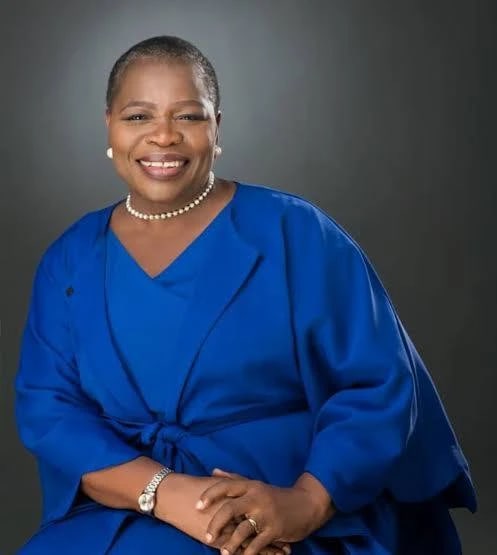
As conversations around state police continue to gain momentum in Nigeria, former Minister of Education, Oby Ezekwesili, has warned that creating state police alone will not solve the country's security challenges.

Speaking on the ongoing debate about policing reforms, Ezekwesili argued that insecurity in Nigeria goes far beyond the structure of the police force. According to her, the country's problems are rooted in deeper governance and structural issues that require comprehensive reforms rather than a single policy solution.

Her comments come at a time when many Nigerians are calling for state police as a way to tackle growing concerns over banditry, kidnapping, terrorism, and other forms of insecurity affecting different parts of the country. Supporters believe state-controlled police forces would be closer to the people, understand local communities better, and respond more quickly to security threats.

However, Ezekwesili believes the issue is not that simple.

She maintained that while state police may have some advantages, it would be unrealistic to expect the initiative to automatically end insecurity. In her view, Nigeria's challenges are tied to the way the country is structured and governed, making broader reforms necessary.

According to her, what Nigeria needs is a restructuring that gives more powers and responsibilities to states while improving accountability and governance at all levels. Without addressing those fundamental issues, she warned, insecurity may continue despite changes in policing arrangements.

The debate over state police has remained one of the most controversial topics in Nigeria's political space. While some see it as a long-overdue solution, others worry that it could be abused by state governments for political purposes or become difficult for financially struggling states to sustain.

Ezekwesili's position adds another perspective to the discussion. Rather than focusing solely on who controls the police, she is urging Nigerians and policymakers to look at the bigger picture.

As the country continues to search for solutions to its security crisis, her message is clear: state police may be part of the answer, but it is not the answer on its own.

For many observers, the real question is no longer whether reforms are needed, but whether Nigeria is willing to undertake the deeper changes required to address the root causes of insecurity.

© 2026 Aliu Azeema |

TalkAfricang.com

Filed under: newspolitics

Share this article

Keep Reading

More stories you might find interesting

Nigeria Confirms Ebola Case in Abuja as Health Authorities Trace 44 Contacts
health

Nigeria Confirms Ebola Case in Abuja as Health Authorities Trace 44 Contacts

Nigeria has confirmed an imported case of Ebola virus disease in the Federal Capital Territory, Abuja, after laboratory tests returned positive for a woman who recently travelled from Uganda, prompting health authorities to begin tracing people who may have been exposed to the infection. The Coordinating Minister of Health and Social Welfare, Professor Muhammad Ali Pate, confirmed the case on Tuesday, 20 October, stating that the patient had been isolated and was receiving medical care at a private hospital in Abuja. According to the minister, health officials have identified 44 contacts and commenced efforts to determine whether anyone else may have been exposed to the virus.

The Eyes Of Ghana: How A Viral Streamer And A Former U.S. President Are Saving A Piece Of African History
news

The Eyes Of Ghana: How A Viral Streamer And A Former U.S. President Are Saving A Piece Of African History

A 93-year-old Ghanaian cameraman spent decades filming the birth of African independence, then watched more than 1,300 reels of that history disappear into hiding in London. Now, with his eyesight failing, he's racing to bring it home. iShowSpeed and Barack and Michelle Obama are backing the effort to make sure he gets there in time. "The Eyes of Ghana" hits theaters for one night only on October 28.

INEC Appointments: Tinubu Seeks Swift Senate Confirmation of Six Nominees
politics

INEC Appointments: Tinubu Seeks Swift Senate Confirmation of Six Nominees

President Bola Ahmed Tinubu has asked the Senate to expedite the confirmation of six nominees for positions at the Independent National Electoral Commission (INEC), as preparations for the 2027 general elections continue. The nominations were announced on Friday, 16 October, in a statement issued by Bayo Onanuga, the President's Special Adviser on Information and Strategy. The appointments are intended to fill vacancies arising from the expiration of the tenures of serving electoral officials.

Comments (0)

Leave a Comment

0/1000
Loading comments...

Nigeria Needs Restructuring, Not Just State Police — Ezekwesili

Nigeria Needs Restructuring, Not Just State Police — Ezekwesili

As conversations around state police continue to gain momentum in Nigeria, former Minister of Education, Oby Ezekwesili, has warned that creating state police alone will not solve the country's security challenges.

Speaking on the ongoing debate about policing reforms, Ezekwesili argued that insecurity in Nigeria goes far beyond the structure of the police force. According to her, the country's problems are rooted in deeper governance and structural issues that require comprehensive reforms rather than a single policy solution.

Her comments come at a time when many Nigerians are calling for state police as a way to tackle growing concerns over banditry, kidnapping, terrorism, and other forms of insecurity affecting different parts of the country. Supporters believe state-controlled police forces would be closer to the people, understand local communities better, and respond more quickly to security threats.

However, Ezekwesili believes the issue is not that simple.

She maintained that while state police may have some advantages, it would be unrealistic to expect the initiative to automatically end insecurity. In her view, Nigeria's challenges are tied to the way the country is structured and governed, making broader reforms necessary.

According to her, what Nigeria needs is a restructuring that gives more powers and responsibilities to states while improving accountability and governance at all levels. Without addressing those fundamental issues, she warned, insecurity may continue despite changes in policing arrangements.

The debate over state police has remained one of the most controversial topics in Nigeria's political space. While some see it as a long-overdue solution, others worry that it could be abused by state governments for political purposes or become difficult for financially struggling states to sustain.

Ezekwesili's position adds another perspective to the discussion. Rather than focusing solely on who controls the police, she is urging Nigerians and policymakers to look at the bigger picture.

As the country continues to search for solutions to its security crisis, her message is clear: state police may be part of the answer, but it is not the answer on its own.

For many observers, the real question is no longer whether reforms are needed, but whether Nigeria is willing to undertake the deeper changes required to address the root causes of insecurity.

© 2026 Aliu Azeema |

TalkAfricang.com
Filed under: newspolitics

Share this article

Comments (0)

Leave a Comment

0/1000
Loading comments...