THE VIBRANT WORK OF AFRICAN FASHION

THE VIBRANT WORK OF AFRICAN FASHION

African fashion is a dazzling celebration of the continent’s extraordinary diversity, resilience, and creative spirit. With about 54 countries and more than 3,000 ethnic groups, it draws from centuries of tradition while boldly embracing modernity. From the sun-drenched markets of Marrakech to the bustling streets of Lagos, African style tells stories of identity, community, history, and pride through colour, texture, and silhouette. Traditional African attire is deeply symbolic, often reflecting social status, marital availability, spirituality, or regional heritage. In West Africa, vibrant wax prints known as Ankara dominate everyday and ceremonial wear. These bold, patterned fabrics originally inspired by Indonesian batik but perfected in West Africa carry proverbs, political messages, or celebrations of life events. Iconic garments include the flowing Nigerian agbada and boubou, the colourful Ghanaian kaba and slit, and the dashiki, a loose tunic loved across the diaspora. Ghana’s intricately woven Kente cloth, with its geometric patterns, remains a symbol of royalty and cultural pride. Mali’s bogolanfini (mud cloth) features earthy tones and hand-painted motifs that narrate folklore. Headwraps (gele in Yoruba culture), layered necklaces, and anklets complete many ensembles, turning clothing into living art.

North Africa blends Berber, Arab, and Ottoman influences, favoring elegant, modest silhouettes. The Moroccan kaftan and djellaba long, hooded robes are often richly embroidered or layered with intricate jewellery. Algerian and Tunisian styles showcase fine embroidery and luxurious fabrics like silk.

In East Africa, the Maasai of Kenya and Tanzania are renowned for their striking red shuka blankets and elaborate beadwork, which convey age, warrior status, and beauty. Ethiopian habesha kemis dresses feature delicate handwoven cotton with vibrant border embroidery (tibeb). Southern Africa highlights bold beadwork among the Zulu and Xhosa peoples, alongside the iconic Basotho blanket worn as a cape in Lesotho. South Africa’s traditional attire varies dramatically by ethnic group, from Ndebele geometric patterns to Venda woven textiles.

Over the past two decades, African designers have transformed global perceptions, moving from the margins to the centre of international fashion. Platforms like Lagos Fashion Week, Dakar Fashion Week, and Johannesburg’s SA Fashion Week have become vital launch pads, nurturing emerging designers and attracting global buyers and media.Current trends emphasize authenticity, sustainability, and Afro-futurism. Designers increasingly use organic dyes, recycled materials, and local artisanal techniques. Oversized silhouettes, asymmetrical cuts, bold colour blocking, and mixed textures define modern African runway looks.

Fashion is a vital part of Africa and has been improved on over the years. Africans (males and females) represents this section through their dressings.

©2025 Esther Ojoma Sule |TalkAfrica NG

Share this article

Keep Reading

More stories you might find interesting

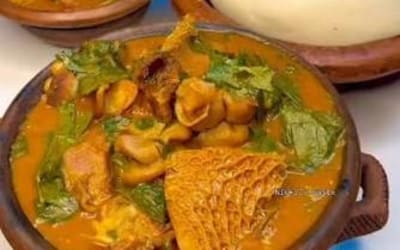
Injera and Doro Wat: The Dish Ethiopia Saves for Celebration
culture

Injera and Doro Wat: The Dish Ethiopia Saves for Celebration

In Ethiopia, a meal is rarely just about eating. It is about sitting together, sharing one platter and making sure no one at the table is left out. Few dishes capture this spirit better than injera with doro wat, a pairing of sour, spongy bread and fiery chicken stew that has anchored Ethiopian celebrations for generations.

Nigeria Confirms Ebola Case in Abuja as Health Authorities Trace 44 Contacts
health

Nigeria Confirms Ebola Case in Abuja as Health Authorities Trace 44 Contacts

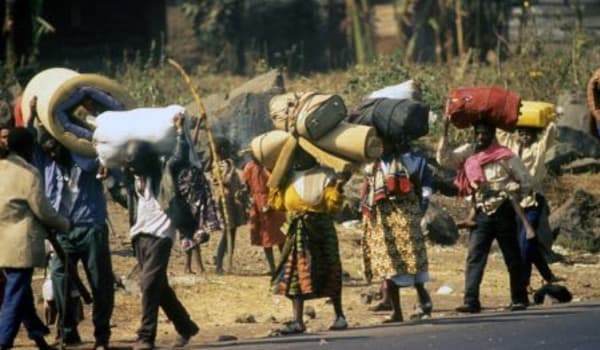
Nigeria has confirmed an imported case of Ebola virus disease in the Federal Capital Territory, Abuja, after laboratory tests returned positive for a woman who recently travelled from Uganda, prompting health authorities to begin tracing people who may have been exposed to the infection. The Coordinating Minister of Health and Social Welfare, Professor Muhammad Ali Pate, confirmed the case on Tuesday, 20 October, stating that the patient had been isolated and was receiving medical care at a private hospital in Abuja. According to the minister, health officials have identified 44 contacts and commenced efforts to determine whether anyone else may have been exposed to the virus.

Beyond the Benue Valley: The Timeless Mystique and Pride of the Idoma
fun-facts

Beyond the Benue Valley: The Timeless Mystique and Pride of the Idoma

Beyond the Benue Valley: The Timeless Mystique and Pride of the Idoma In the lush heart of central Nigeria lives a community whose identity is worn like a badge of honour, woven in fiery red, grounded in deep black, and guarded by an unspoken reverence for their ancestors in Africa.

Comments (0)

Leave a Comment

0/1000
Loading comments...

THE VIBRANT WORK OF AFRICAN FASHION

THE VIBRANT WORK OF AFRICAN FASHION

African fashion is a dazzling celebration of the continent’s extraordinary diversity, resilience, and creative spirit. With about 54 countries and more than 3,000 ethnic groups, it draws from centuries of tradition while boldly embracing modernity. From the sun-drenched markets of Marrakech to the bustling streets of Lagos, African style tells stories of identity, community, history, and pride through colour, texture, and silhouette. Traditional African attire is deeply symbolic, often reflecting social status, marital availability, spirituality, or regional heritage. In West Africa, vibrant wax prints known as Ankara dominate everyday and ceremonial wear. These bold, patterned fabrics originally inspired by Indonesian batik but perfected in West Africa carry proverbs, political messages, or celebrations of life events. Iconic garments include the flowing Nigerian agbada and boubou, the colourful Ghanaian kaba and slit, and the dashiki, a loose tunic loved across the diaspora. Ghana’s intricately woven Kente cloth, with its geometric patterns, remains a symbol of royalty and cultural pride. Mali’s bogolanfini (mud cloth) features earthy tones and hand-painted motifs that narrate folklore. Headwraps (gele in Yoruba culture), layered necklaces, and anklets complete many ensembles, turning clothing into living art.

North Africa blends Berber, Arab, and Ottoman influences, favoring elegant, modest silhouettes. The Moroccan kaftan and djellaba long, hooded robes are often richly embroidered or layered with intricate jewellery. Algerian and Tunisian styles showcase fine embroidery and luxurious fabrics like silk.

In East Africa, the Maasai of Kenya and Tanzania are renowned for their striking red shuka blankets and elaborate beadwork, which convey age, warrior status, and beauty. Ethiopian habesha kemis dresses feature delicate handwoven cotton with vibrant border embroidery (tibeb). Southern Africa highlights bold beadwork among the Zulu and Xhosa peoples, alongside the iconic Basotho blanket worn as a cape in Lesotho. South Africa’s traditional attire varies dramatically by ethnic group, from Ndebele geometric patterns to Venda woven textiles.

Over the past two decades, African designers have transformed global perceptions, moving from the margins to the centre of international fashion. Platforms like Lagos Fashion Week, Dakar Fashion Week, and Johannesburg’s SA Fashion Week have become vital launch pads, nurturing emerging designers and attracting global buyers and media.Current trends emphasize authenticity, sustainability, and Afro-futurism. Designers increasingly use organic dyes, recycled materials, and local artisanal techniques. Oversized silhouettes, asymmetrical cuts, bold colour blocking, and mixed textures define modern African runway looks.

Fashion is a vital part of Africa and has been improved on over the years. Africans (males and females) represents this section through their dressings.

©2025 Esther Ojoma Sule |TalkAfrica NG

Share this article

Comments (0)

Leave a Comment

0/1000
Loading comments...