World Sickle Cell Day 2026

World Sickle Cell Day 2026

Closing the Survival Gap: Equity in Sickle Cell Disease

Every year on June 19, the world observes World Sickle Cell Day to raise awareness about sickle cell disease (SCD), a genetic blood disorder that affects millions of people globally, particularly in Africa.

This year's theme, "Closing the Survival Gap: Equity in Sickle Cell Disease," calls attention to the inequalities that many people living with SCD face. While advances in medicine have improved outcomes, access to early diagnosis, quality healthcare, essential medications, and support services remains unequal across different communities and countries.
What Is Sickle Cell Disease?

Sickle cell disease is an inherited blood disorder that affects hemoglobin, the protein in red blood cells responsible for carrying oxygen throughout the body.

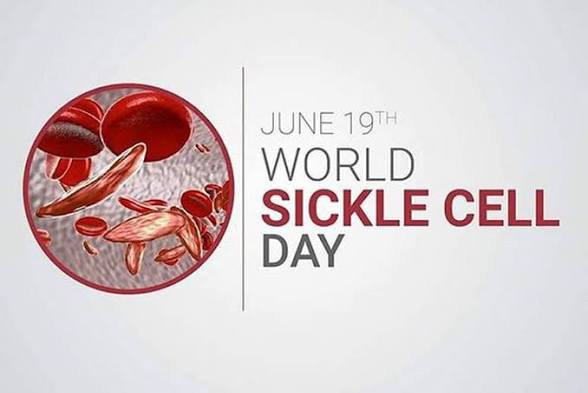
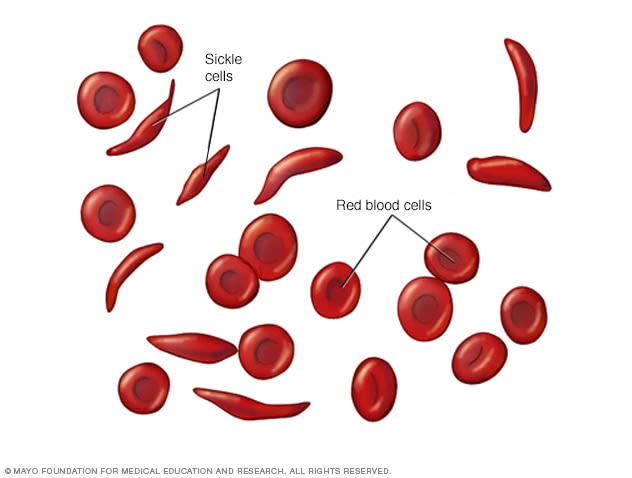
Normally, red blood cells are round and flexible. In people with SCD, the cells become hard, sticky, and crescent-shaped (sickle-shaped). These abnormal cells can block blood flow, causing pain, anemia, infections, and serious complications such as stroke and acute chest syndrome.

SCD is not contagious. A person is born with it when they inherit abnormal hemoglobin genes from both parents.

Why Awareness Matters

Despite being one of the most common inherited disorders worldwide, many misconceptions about sickle cell disease still exist.

Lack of awareness often leads to:

- Delayed diagnosis

- Poor treatment outcomes

- Social discrimination

- Emotional distress

- Preventable complications

Education remains one of the strongest tools for improving the lives of people living with SCD.
Frequently Asked Questions About Sickle Cell Disease

1. Can sickle cell disease be transmitted from one person to another?

- No. Sickle cell disease is not infectious. It cannot be spread through touching, sharing food, kissing, or blood contact in everyday situations.

2. Can people with sickle cell disease live long lives?

- Yes. With proper medical care, healthy lifestyle practices, and regular monitoring, many people with SCD live productive and fulfilling lives.

3. Is sickle cell disease the same as sickle cell trait?

- No. People with sickle cell trait carry one sickle cell gene and usually do not have the disease. People with sickle cell disease inherit two abnormal genes and experience symptoms.

4. Why is genotype testing important?

Knowing your genotype helps individuals make informed decisions about marriage and family planning, reducing the risk of having children affected by severe forms of SCD.

5. Can sickle cell disease be cured?

- Some patients may be eligible for bone marrow or stem cell transplantation, which can offer a cure. However, it is not suitable or available for everyone.

Facts About Sickle Cell Disease

🔹 Sickle cell disease is inherited and present from birth.

🔹 It affects millions of people worldwide.

🔹 Early diagnosis greatly improves health outcomes.

🔹 Regular medical care can reduce complications.

🔹 People with SCD can attend school, work, marry, and achieve their dreams.

🔹 Genotype testing is a powerful tool for prevention and informed family planning.

Addressing Stigmatization

One of the most overlooked challenges faced by people living with sickle cell disease is stigmatization.

Many individuals with SCD are unfairly labeled as weak, incapable, or burdensome because of their health condition. Some experience discrimination in school, the workplace, relationships, and even within their communities.

Stigma can lead to:

- Social isolation

- Reduced self-esteem

- Anxiety and depression

- Reluctance to seek medical care

- Difficulty building healthy relationships

The truth is that people living with sickle cell disease are not defined by their diagnosis. They are students, professionals, entrepreneurs, parents, leaders, and valuable members of society.

Ending stigma starts with education, empathy, and understanding. We must replace judgment with compassion and misinformation with facts.

A Call to Action

As we commemorate World Sickle Cell Day 2026, let us commit to:

- Learning the facts about sickle cell disease

- Knowing our genotype

- Supporting those living with SCD

- Challenging stigma and discrimination

- Advocating for equitable access to healthcare

Together, we can help close the survival gap and create a future where every person living with sickle cell disease has the opportunity to thrive.

Know Your Genotype. Raise Awareness. End Stigma. Save Lives.

Happy World Sickle Cell Day 2026. 💙🩸

©2026 Ukachi Rejoice| TalkAfricang.com

Filed under: healthnewslifestyle

Share this article

Keep Reading

More stories you might find interesting

Injera and Doro Wat: The Dish Ethiopia Saves for Celebration
culture

Injera and Doro Wat: The Dish Ethiopia Saves for Celebration

In Ethiopia, a meal is rarely just about eating. It is about sitting together, sharing one platter and making sure no one at the table is left out. Few dishes capture this spirit better than injera with doro wat, a pairing of sour, spongy bread and fiery chicken stew that has anchored Ethiopian celebrations for generations.

Nigeria Confirms Ebola Case in Abuja as Health Authorities Trace 44 Contacts
health

Nigeria Confirms Ebola Case in Abuja as Health Authorities Trace 44 Contacts

Nigeria has confirmed an imported case of Ebola virus disease in the Federal Capital Territory, Abuja, after laboratory tests returned positive for a woman who recently travelled from Uganda, prompting health authorities to begin tracing people who may have been exposed to the infection. The Coordinating Minister of Health and Social Welfare, Professor Muhammad Ali Pate, confirmed the case on Tuesday, 20 October, stating that the patient had been isolated and was receiving medical care at a private hospital in Abuja. According to the minister, health officials have identified 44 contacts and commenced efforts to determine whether anyone else may have been exposed to the virus.

EcoLagos: The Future Of Waste Disposal & Recycling In Lagos State
health

EcoLagos: The Future Of Waste Disposal & Recycling In Lagos State

Lagos doesn't have a government problem, it has a habit problem, and the two keep getting confused. EcoLagos is building a smart waste management and recycling platform, developed with LAWMA, to digitize the city's entire waste value chain. The goal isn't just cleanup. It's getting Lagosians to see themselves as part of the system, one household and one habit at a time.

Comments (0)

Leave a Comment

0/1000
Loading comments...

World Sickle Cell Day 2026

World Sickle Cell Day 2026

Closing the Survival Gap: Equity in Sickle Cell Disease

Every year on June 19, the world observes World Sickle Cell Day to raise awareness about sickle cell disease (SCD), a genetic blood disorder that affects millions of people globally, particularly in Africa.

This year's theme, "Closing the Survival Gap: Equity in Sickle Cell Disease," calls attention to the inequalities that many people living with SCD face. While advances in medicine have improved outcomes, access to early diagnosis, quality healthcare, essential medications, and support services remains unequal across different communities and countries.

What Is Sickle Cell Disease?

Sickle cell disease is an inherited blood disorder that affects hemoglobin, the protein in red blood cells responsible for carrying oxygen throughout the body.

Normally, red blood cells are round and flexible. In people with SCD, the cells become hard, sticky, and crescent-shaped (sickle-shaped). These abnormal cells can block blood flow, causing pain, anemia, infections, and serious complications such as stroke and acute chest syndrome.

SCD is not contagious. A person is born with it when they inherit abnormal hemoglobin genes from both parents.

Why Awareness Matters

Despite being one of the most common inherited disorders worldwide, many misconceptions about sickle cell disease still exist.

Lack of awareness often leads to:

- Delayed diagnosis

- Poor treatment outcomes

- Social discrimination

- Emotional distress

- Preventable complications

Education remains one of the strongest tools for improving the lives of people living with SCD.

Frequently Asked Questions About Sickle Cell Disease

1. Can sickle cell disease be transmitted from one person to another?

- No. Sickle cell disease is not infectious. It cannot be spread through touching, sharing food, kissing, or blood contact in everyday situations.

2. Can people with sickle cell disease live long lives?

- Yes. With proper medical care, healthy lifestyle practices, and regular monitoring, many people with SCD live productive and fulfilling lives.

3. Is sickle cell disease the same as sickle cell trait?

- No. People with sickle cell trait carry one sickle cell gene and usually do not have the disease. People with sickle cell disease inherit two abnormal genes and experience symptoms.

4. Why is genotype testing important?

Knowing your genotype helps individuals make informed decisions about marriage and family planning, reducing the risk of having children affected by severe forms of SCD.

5. Can sickle cell disease be cured?

- Some patients may be eligible for bone marrow or stem cell transplantation, which can offer a cure. However, it is not suitable or available for everyone.

Facts About Sickle Cell Disease

🔹 Sickle cell disease is inherited and present from birth.

🔹 It affects millions of people worldwide.

🔹 Early diagnosis greatly improves health outcomes.

🔹 Regular medical care can reduce complications.

🔹 People with SCD can attend school, work, marry, and achieve their dreams.

🔹 Genotype testing is a powerful tool for prevention and informed family planning.

Addressing Stigmatization

One of the most overlooked challenges faced by people living with sickle cell disease is stigmatization.

Many individuals with SCD are unfairly labeled as weak, incapable, or burdensome because of their health condition. Some experience discrimination in school, the workplace, relationships, and even within their communities.

Stigma can lead to:

- Social isolation

- Reduced self-esteem

- Anxiety and depression

- Reluctance to seek medical care

- Difficulty building healthy relationships

The truth is that people living with sickle cell disease are not defined by their diagnosis. They are students, professionals, entrepreneurs, parents, leaders, and valuable members of society.

Ending stigma starts with education, empathy, and understanding. We must replace judgment with compassion and misinformation with facts.

A Call to Action

As we commemorate World Sickle Cell Day 2026, let us commit to:

- Learning the facts about sickle cell disease

- Knowing our genotype

- Supporting those living with SCD

- Challenging stigma and discrimination

- Advocating for equitable access to healthcare

Together, we can help close the survival gap and create a future where every person living with sickle cell disease has the opportunity to thrive.

Know Your Genotype. Raise Awareness. End Stigma. Save Lives.

Happy World Sickle Cell Day 2026. 💙🩸

©2026 Ukachi Rejoice| TalkAfricang.com

Filed under: healthnewslifestyle

Share this article

Comments (0)

Leave a Comment

0/1000
Loading comments...