

 In the heart of Nkalagu, a quiet town in present-day Ebonyi State, stands the fading memory of one of Nigeria’s greatest industrial dreams — Nigerian Cement Company Plc, popularly called Nigercem. Long before many modern factories appeared across the nation, Nigercem had already become a symbol of African ambition, local enterprise, and economic pride. Its story is not merely about cement. It is about vision, labour, power, decline, and the fragile nature of national progress.
Nigercem was established in 1954 during the era of Eastern Nigeria’s regional development under the leadership of Nnamdi Azikiwe and other nationalist figures who believed that industrialization was necessary for true independence. Production officially began in 1957, making it Nigeria’s first indigenous cement manufacturing company. At a time when many African nations still depended heavily on imported materials, Nigercem represented a bold declaration that Nigerians could build and sustain their own industries.
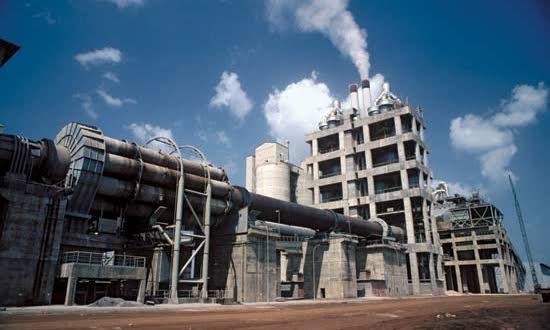
The factory was strategically located in Nkalagu because of the abundance of limestone deposits in the area. Soon, the once-rural community transformed into an industrial town alive with workers, engineers, traders, transporters, and families from different parts of Nigeria. Roads expanded. Businesses grew. Schools and staff quarters emerged around the factory. For many families, Nigercem became more than a company; it became a source of identity and survival.
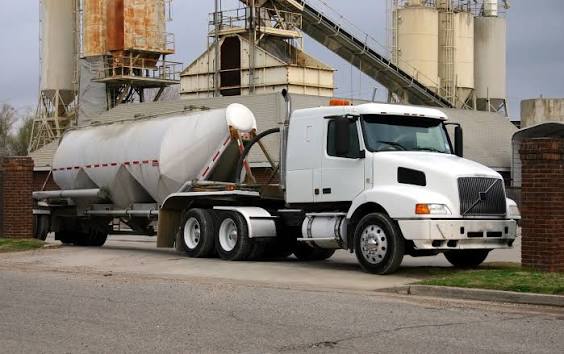
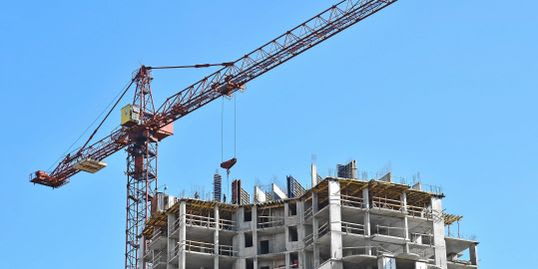
During its golden years, the factory produced massive quantities of cement used in constructing roads, government buildings, bridges, and residential projects across the country. Thousands of Nigerians found employment there directly and indirectly. The sound of machines roaring through the factory became the heartbeat of Nkalagu itself. In many ways, Nigercem stood as evidence that post-colonial Nigeria possessed both the resources and manpower to compete industrially with the outside world.
 Yet the story did not remain glorious forever.
The Nigerian Civil War deeply affected economic structures in Eastern Nigeria, and though Nigercem survived the conflict, the years that followed brought increasing difficulties. Poor management, corruption, political instability, inconsistent government policies, and ownership disputes slowly weakened the company. Equipment aged without proper maintenance. Production declined. Debts increased. What was once a proud industrial giant gradually became silent.
By the early 2000s, operations had almost completely collapsed. The factory that once employed thousands stood largely abandoned. Rust spread across giant machines. Empty buildings watched over deserted roads. Workers lost jobs. Families that depended on the company struggled economically. Nkalagu itself felt the wound deeply, as though the town had lost the engine that once gave it life.
Still, Nigercem remains powerful in memory.
For many Nigerians, especially in the East, the abandoned factory symbolizes both lost potential and unfinished dreams. It reminds the nation of a period when regional governments invested heavily in industries capable of transforming communities. Even today, discussions about reviving Nigercem continue to surface among investors and political leaders who hope the factory may one day breathe again.
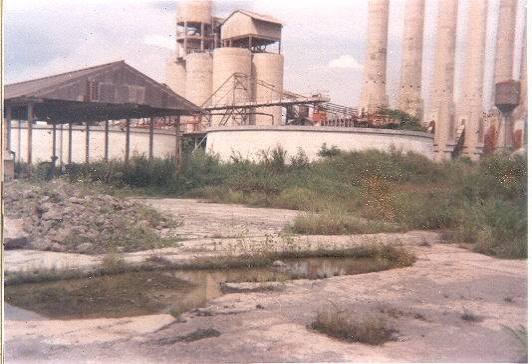
But beyond economics, Nigercem tells a deeper story about Nigeria itself. Nations rise when they protect vision, discipline, and long-term planning. They decline when greed and neglect consume institutions built through sacrifice. The ruins of Nigercem are not merely industrial remains; they are lessons cast in concrete and dust.
And yet, even in silence, the old factory still speaks.
Its broken walls whisper of workers who once woke before dawn to keep machines alive. Its abandoned grounds remember the footsteps of ambition. The winds moving through Nkalagu carry echoes of a generation that believed Nigeria could manufacture greatness with its own hands.
Perhaps one day, the furnaces of Nigercem will burn again. Perhaps the sleeping giant will rise from rust and memory. But whether revived or not, its place in Nigerian history is already sealed not simply as a cement factory, but as one of the boldest symbols of indigenous industrial hope ever built on African soil.
© 2026 Ikeun Divine Michael | TalkAfricang.com


Comments (0)
Leave a Comment