

What began with a concern about alcohol use among young people has grown into SoberGenZ, a youth-focused initiative founded by Louis Stumpf to help students understand alcohol and its effects on the brain. Stumpf became increasingly interested in the issue after seeing many of his friends drinking and began thinking about how young people could be better educated about the substance. Instead of focusing only on telling teenagers not to drink, he wanted to create a platform that could explain the science behind alcohol in a way that young people could understand and relate to.
SoberGenZ uses neuroscience and youth-friendly education to make conversations about alcohol and substance use more accessible. Its presentations explore the developing brain and explain how alcohol can affect areas related to memory, judgement, decision-making and behaviour. Students are also introduced to brain systems and neurotransmitters such as GABA, glutamate and dopamine, allowing them to understand some of the biological processes behind the effects of alcohol. The goal is not simply to give young people another warning, but to give them information that can help them make more informed decisions.

The initiative has already built a growing record of outreach. SoberGenZ reports that it has reached more than 16,000 teenagers across more than 18 schools, while its wider ambition is to reach 100,000 teenagers before 2027. It has also developed a student-speaker programme, giving young people the opportunity to learn the material, receive training and deliver presentations to their peers. The approach has allowed the message to reach students in different settings, including Africa, where SoberGenZ has also reached a number of students. These figures are reported by the organisation itself and reflect the scale it says its programme has achieved so far.
Behind the growing numbers, however, is the challenge of turning a promising idea into something that can continue to expand. Stumpf has identified figuring out how to grow SoberGenZ as one of the difficult parts of the journey. Reaching more schools requires more than simply increasing the number of presentations; it also means maintaining the quality of the educational content and making sure the message remains relevant to young people from different backgrounds. Its student-led model may help with that challenge by allowing trained students to take the conversation into their own schools and communities.
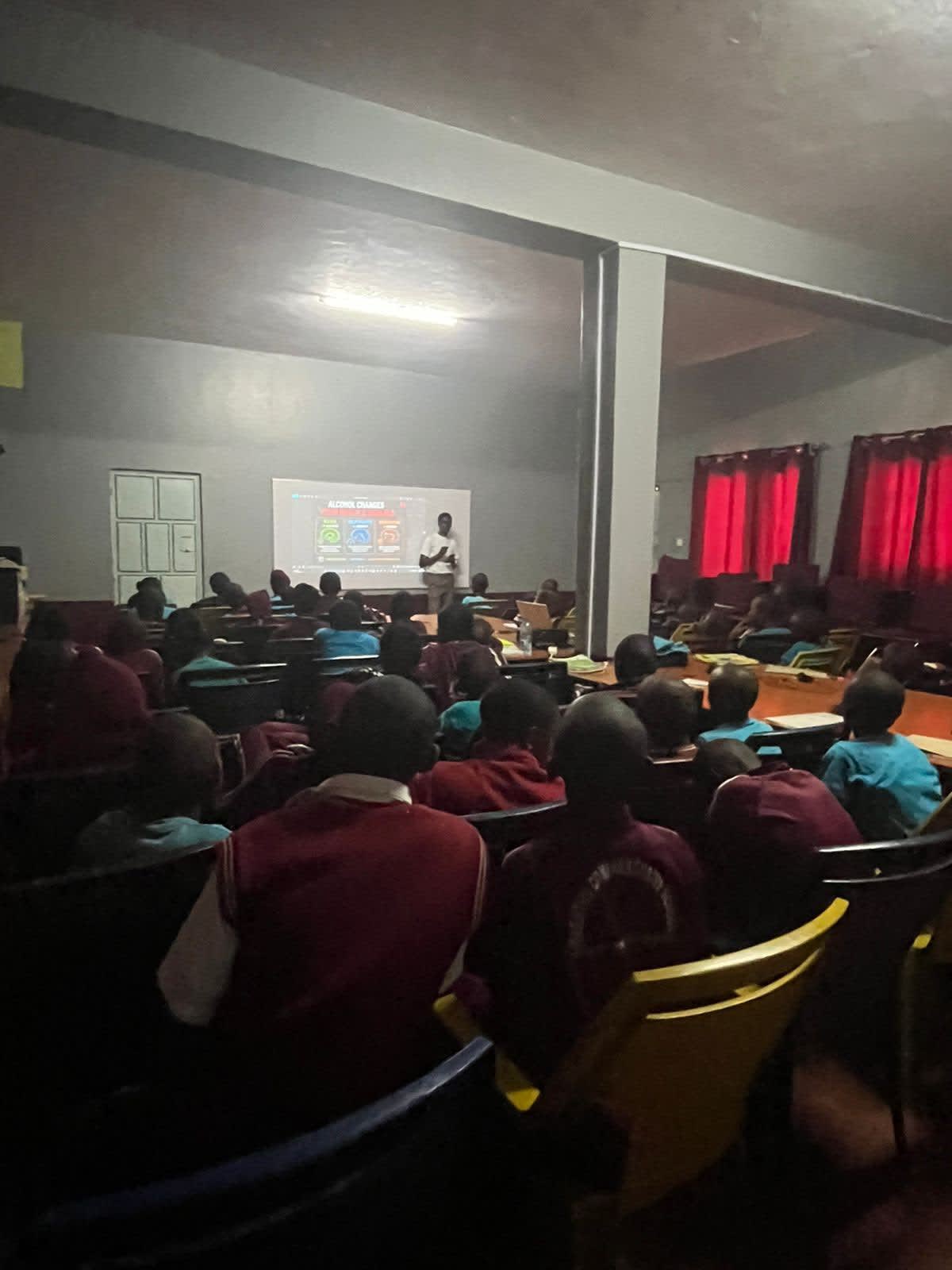
For Stumpf, what started with an observation among his peers has become an opportunity to reach thousands of other young people with a different kind of message about alcohol. SoberGenZ is built around the idea that young people should not only be told about the risks of alcohol, but should understand what it can do to their developing brains and why those effects matter. As the initiative continues to grow and reaches more students, including in Africa, its next chapter will be about turning that knowledge into conversations that young people can actually connect with, one classroom and one student at a time.
© 2026 Aliu Azeema |
TalkAfricang.com


Comments (0)
Leave a Comment