
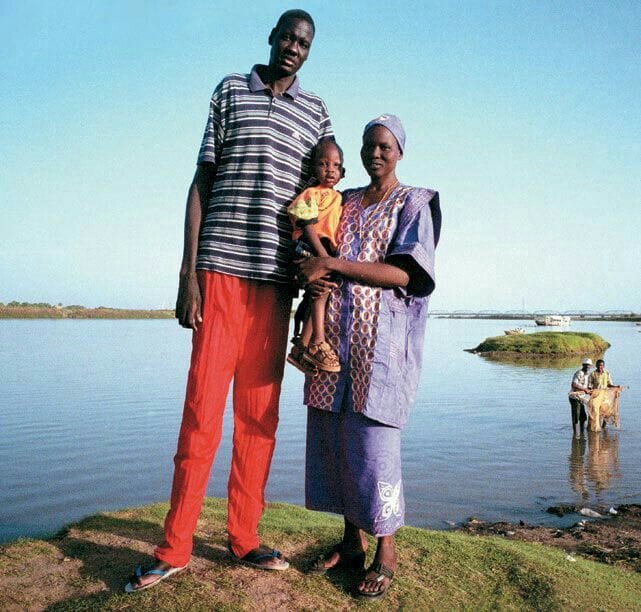
The Dinka: The South Sudanese People Who Made Scientists Look Twice
When conversations turn to the tallest people on Earth, most people think of basketball players or Guinness World Records. Few realize that one of the world's tallest populations has lived for centuries in the grasslands of South Sudan.
They are the Dinka.
Stretching across the floodplains of the White Nile, the Dinka are the largest ethnic group in South Sudan. Known for their cattle-herding traditions, striking cultural identity, and remarkable height, they have fascinated anthropologists for generations.
In the 1950s, researchers studying Nilotic communities in East Africa recorded average heights among some Dinka men at over six feet. At the time, these measurements ranked among the highest ever documented for any human population. Even today, the Dinka continue to be cited in scientific studies examining human growth, genetics, and adaptation.
But height alone does not tell the whole story.
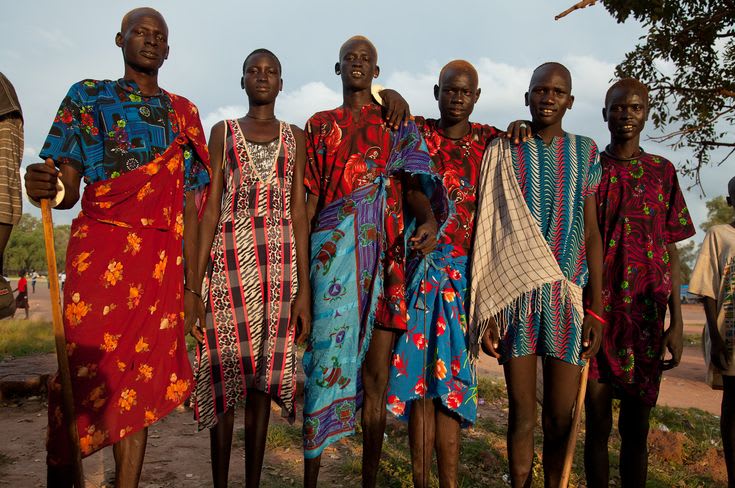
Scientists believe the Dinka's stature is the result of several factors working together. Genetics is often considered the most important. The Dinka belong to the Nilotic peoples of East Africa, a group historically known for tall and lean body frames. Their physical build appears to have been shaped over thousands of years and passed from one generation to the next.
Geography may have played a role too. South Sudan's climate is intensely hot for much of the year. Researchers have suggested that taller, slimmer bodies are better at releasing heat, making them advantageous in such environments.
Then there is diet.
For centuries, cattle have been at the centre of Dinka life. In many communities, cattle are more than livestock; they are symbols of wealth, identity, family, and tradition. Milk, meat, fish, sorghum, and millet have long formed part of the traditional diet, providing nutrients that support healthy growth and development.
Yet to focus only on how tall the Dinka are is to miss what makes them truly remarkable.
Their culture is one of Africa's richest. Songs, oral histories, poetry, and age-old traditions are woven into everyday life. Cattle camps become centres of social interaction, where stories are told, customs are preserved, and community bonds are strengthened. Even after years of civil conflict, displacement, and economic hardship, many Dinka communities continue to protect and celebrate their heritage.
Today, the Dinka remain a powerful reminder of Africa's diversity. Their height may have attracted the world's attention, but it is their history, resilience, and culture that leave the deeper impression.
Because sometimes what makes a people extraordinary is not how far they stand above others, but how firmly they stand within their identity.
©2026 Toluwalope Olajide|TalkAfricang.com



Comments (0)
Leave a Comment