
African Superfoods You Should Be Eating: Spotlight on Moringa and Baobab
BY Adetoni
Across the African continent, food has always been more than nourishment it is culture, medicine, and survival woven into daily life. Long before the global wellness industry popularized “superfoods,” African communities were already cultivating and consuming nutrient-dense plants that sustained generations. Today, as the world searches for healthier, more sustainable diets, two African treasures moringa and baobab are gaining the global recognition they have long deserved.
A “superfood” is often described as a food exceptionally rich in vitamins, minerals, and antioxidants. But in Africa, these foods are not trends they are traditions. Moringa and baobab stand out not only for their powerful nutritional profiles but also for their resilience in harsh climates and their deep cultural significance.
Moringa: The Miracle Tree
Moringa, often called the “miracle tree,” is one of the most nutrient-rich plants on earth. Native to parts of Africa and widely cultivated across the continent, nearly every part of the tree leaves, seeds, pods is edible and beneficial.
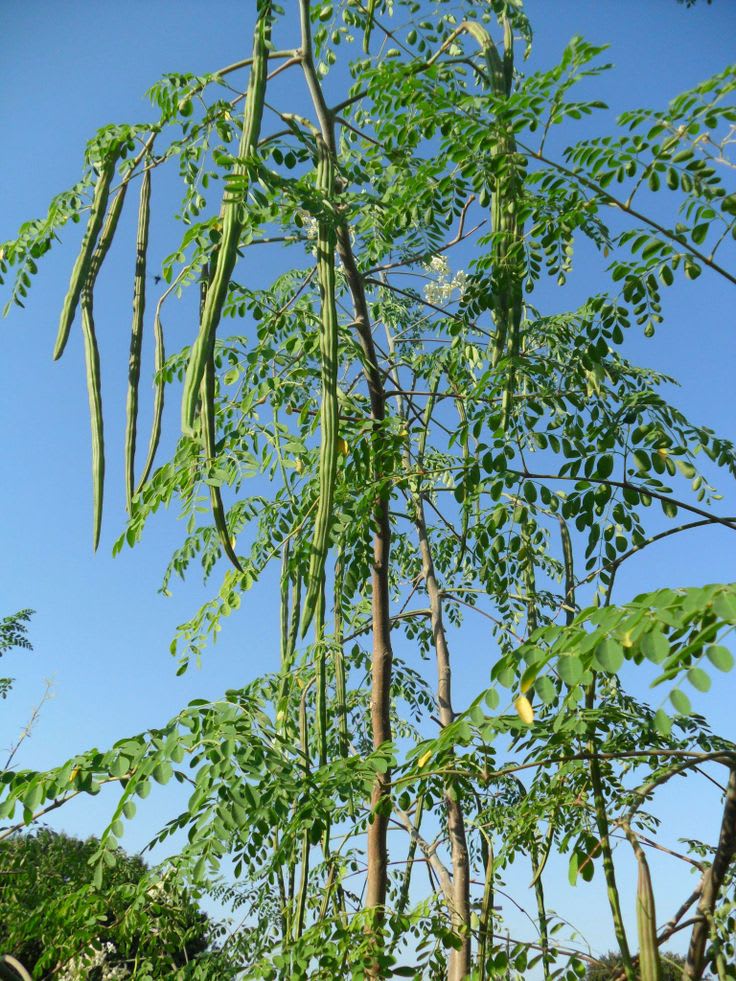
What makes moringa extraordinary is its dense concentration of essential nutrients. Its leaves are packed with vitamins A, C, and E, as well as calcium, iron, potassium, and protein .In fact, it has been noted to contain more calcium than milk and more iron than spinach, making it a powerful natural remedy for malnutrition .
Abart Foods +1
healthcoachafrica.com
Beyond its nutritional richness, moringa plays a crucial role in health and wellness. It is known for its anti-inflammatory and antioxidant properties, helping the body combat oxidative stress and chronic diseases. Many communities also rely on it as a natural energy booster and immune support, while its ability to help regulate blood sugar levels makes it particularly valuable in addressing modern health concerns like diabetes .
Afriklens
rootsoffood
Traditionally, moringa is used in soups, teas, and sauces across Africa. Today, it has found its way into smoothies, powders, and supplements, bridging the gap between ancient wisdom and modern nutrition.
Baobab: The Tree of Life
Towering across African landscapes with its unmistakable silhouette, the baobab tree is often referred to as the “Tree of Life.” This name is not symbolic alone it reflects the tree’s ability to store water and provide nourishment even in the harshest dry seasons.
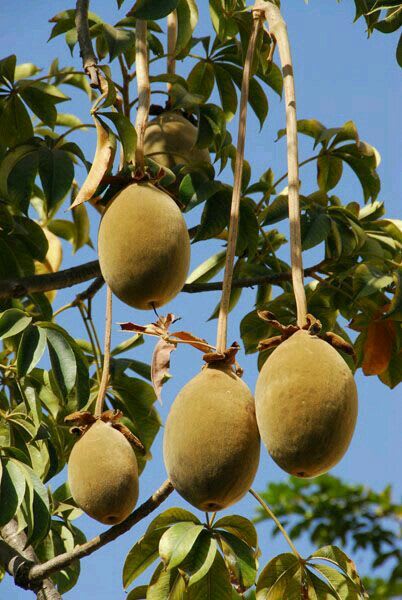
The fruit of the baobab tree is a nutritional powerhouse. Rich in vitamin C, fiber, calcium, potassium, and antioxidants, it supports immunity, digestion, and overall vitality . Remarkably, baobab fruit contains significantly more vitamin C than oranges, making it one of the most potent natural sources available .
Tree Aid +1
Abart Foods
Baobab’s high fiber content, particularly its prebiotic fiber, promotes gut health by supporting beneficial bacteria in the digestive system. This not only aids digestion but also contributes to better nutrient absorption and overall well-being. Additionally, its antioxidant properties help protect the body from inflammation and strengthen the immune system.
rootsoffood
For centuries, baobab has been incorporated into African diets in various forms its leaves used in soups, its fruit pulp mixed into drinks, and its powder added to porridges. In Nigeria, for instance, it is famously used in traditional dishes like miyan kuka, highlighting its enduring place in local cuisine.
A Powerful Combination for Modern Health
Individually, moringa and baobab are nutritional giants. Together, they form a powerful synergy of vitamins, minerals, and antioxidants that support energy, digestion, and immunity. Research even shows that combining both in foods like fortified porridges can significantly improve micronutrient intake, especially in children.
ScienceDirect
In a time where processed foods dominate many diets, these natural superfoods offer a return to simplicity foods that are wholesome, accessible, and deeply rooted in tradition. They are especially important in addressing global challenges such as malnutrition, food insecurity, and lifestyle diseases.
Reclaiming Africa’s Nutritional Heritage
The growing global interest in moringa and baobab is not just a health trend it is a reminder of Africa’s rich agricultural heritage. These superfoods represent sustainability, resilience, and the wisdom of indigenous food systems.
For Africans, embracing these foods is not about following a trend but reconnecting with what has always been ours. For the world, it is an opportunity to learn from a continent that has long understood the power of natural nutrition.
Incorporating moringa and baobab into everyday meals whether through soups, teas, smoothies, or traditional dishes is a simple yet profound step toward healthier living. As we look to the future of food, Africa’s past may hold the answers we need.


Comments (0)
Leave a Comment